Woman With a PhD in Math Cracks Lottery Algorithm to Win $21 Million
Lottery tickets purchased repeatedly in the same small Texas town led to four separate wins and nearly $21 million in total payouts. State officials verified each claim, but the streak stood out immediately. The odds tied to those wins reached a level most statisticians describe as functionally impossible. According to the Associated Press, the probability of winning that many times is roughly one in 18 septillion.
Public records later revealed an unexpected detail about the winner. She held a doctorate in statistics and had a deep understanding of how probability systems behave under pressure.
A Winning Streak That Defies Probability
Joan Ginther didn’t win the lottery once and fade into trivia; she won at least four times over roughly a decade, collecting close to $21 million. Her wins included scratch-off jackpots in the millions, capped by a $10 million prize in 2010.
Lottery officials approved every payout, and no charges followed. Still, improbability at that scale tends to invite questions, especially when patterns appear. Two of Ginther’s largest wins came from tickets bought at the same convenience store in Bishop, Texas. The town has a population under 4K, so statistically, it’s an odd place for lightning to strike repeatedly.
The Crucial Academic Detail

Image via Canva/Corina Ciocirlan’s Images
Ginther’s academic background shifts the story into a different category. She holds a doctorate in statistics from Stanford University. This is vital because scratch-off lotteries rely on pseudo-random algorithms, not pure chaos. These systems follow rules, distributions, and release schedules.
That does not mean the games are easy to exploit. It does mean someone trained in advanced statistics could study publicly available data and look for patterns most players would miss. Ticket packs ship in batches. High-value prizes appear at known intervals within those batches. Distribution routes also follow predictable paths.
Individually, none of these guarantees a win. Combined with patience, data, and timing, the picture starts to look less magical.
The Convenience Store Factor
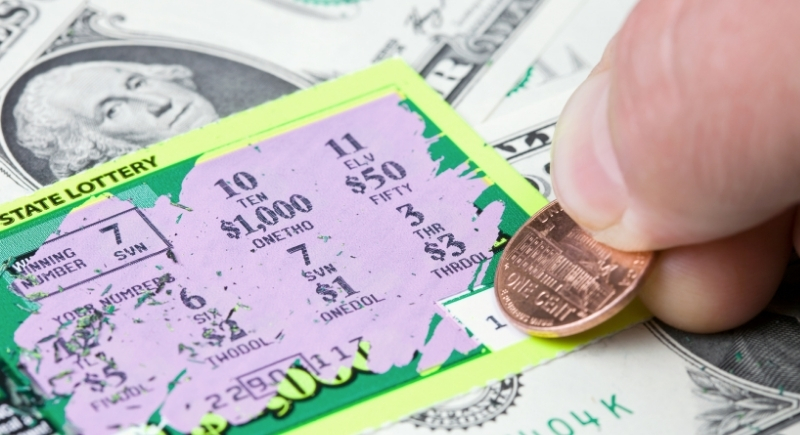
Image via Getty Images/BanksPhotos
Ginther’s repeated visits to one store fueled local suspicion. Residents noticed shipments of high-value scratch-off tickets arriving and sitting untouched. Reports later surfaced claiming that the store owner may have held back packs. The store eventually closed amid an IRS investigation tied to the owner.
What matters here is access and timing. Buying tickets at random locations spreads risk. Buying tickets at a single location, where ticket flow can be monitored, reduces uncertainty. A sparsely populated area also lowers competition. Fewer buyers mean fewer people racing for the same scheduled winning ticket.
Pattern Recognition Over Blind Chance
Lottery systems aim to appear random to players. Behind the scenes, they operate on algorithms designed for fairness and distribution control. Those algorithms rely on assumptions about player behavior. Most people buy tickets impulsively. Few track shipment schedules or prize distribution density.
Experts have noted that exploiting these systems does not require hacking or insider data. Public records, sales reports, and historical prize releases can reveal trends. A disciplined buyer with statistical training could wait months for the right conditions, then purchase aggressively when probabilities tilt slightly in their favor.
Ginther never explained her strategy publicly, and that silence keeps speculation alive. Other lottery winners who used math-based approaches eventually shared their methods. Ginther stepped away from the spotlight instead, reportedly spending months each year in Bishop before relocating to Las Vegas. No court ever ruled against her; every ticket passed verification, and the wins remain legitimate under the law.