Woman Lived to 105 in the Same Home Her Entire Life
Elsie Allcock reached 105 after spending every single year of her life inside the same two-bedroom house where she was born in 1918. She lived through two world wars, major royal eras, and huge cultural shifts while keeping one constant address.
Her explanation for such a long life sounded almost too simple. She believed staying busy mattered more than anything else, and that idea shaped her days, her habits, and her mindset for more than a century.
Daily Movement Became Her Default Setting
Elsie built her life around activity. Family members described her as always cleaning, organizing, gardening, or working on puzzles. She often kept a cleaning cloth tucked into her pocket out of pure habit. Even past 100, she completed roughly 25 jigsaw puzzles each year and stayed mentally sharp through word games and domino competitions earlier in life, where she even earned small local awards.
Her message was consistent across interviews: stay active, keep working, and avoid long stretches of sitting because regular movement supports heart health, muscle strength, and brain function. Elsie kept knitting well into her later years until arthritis slowed her hands.
One Address, One Identity
Elsie never chased relocation or lifestyle resets. That same house carried her through childhood, marriage, raising children, widowhood, and extreme old age. She and her husband bought the home in the 1950s for about £250, which roughly converts to about $320 using historical exchange averages, though inflation changes real value comparisons.
Her son later moved back decades afterward to help support family needs. Over time, she remained fiercely independent despite hearing struggles and shoulder pain. Living inside a deeply familiar environment likely helped reduce stress and confusion.
Elsie watched her town change dramatically. The main street once had about 30 shops and 11 pubs, but later decades saw that shrink to only a couple of each. Community gardens turned into parking areas, and social halls disappeared as housing expanded.
Her home also started life without modern electricity. Early lighting relied on coin-operated gas systems, so she watched modern utilities arrive gradually, experiencing massive lifestyle upgrades without ever changing houses. That long-term view shaped how she saw progress and community.
Family Was At The Center Of Everything
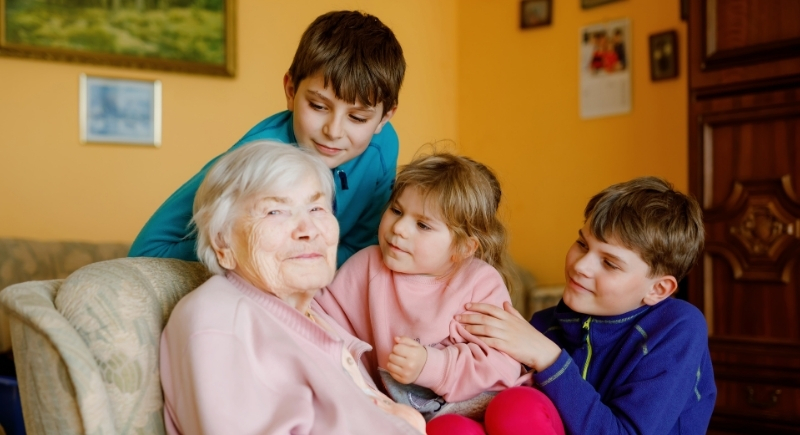
Image via Getty Images/romrodinka
Elsie raised two children and later welcomed generations of grandchildren, great-grandchildren, and great-great-grandchildren. Sunday visits became a routine family tradition, and major birthdays turned into large gatherings with dozens of relatives.
After losing her mother at 14, she stayed home to help care for her elderly father. She cleaned nearby homes to earn small spending money while focusing on family responsibilities. Relatives described her as humble about public attention. She often said she lived a regular life, but reaching 105 while staying active daily tells a different story.
The Pattern Behind Living Past A Century
Elsie’s lifestyle matched several traits scientists see in long-lived populations. Constant physical movement, strong daily purpose, close family connections, low exposure to digital overload, and hands-on hobbies that challenge the brain.
She and her son lived without internet, smartphones, or email, and their routine revolved around gardening, puzzles, and conversation. That type of lifestyle may reduce stress linked to nonstop alerts and information overload.
Extreme longevity rarely comes down to a single secret habit. It usually grows through thousands of small daily choices repeated across years. Elsie Allcock showed how ordinary routines, repeated consistently, can quietly build an extraordinary lifespan.