10 Things You Should Never Clean With Disinfecting Wipes
Disinfecting wipes seem like the go-to option when you want to clean fast and feel confident it’s working. But the label fine print matters more than most people think. Many wipes aren’t meant for every surface or even every situation. Misusing them can damage materials, spread bacteria, or leave behind chemicals you shouldn’t ingest or touch.
Cleaning experts and chemists stress that contact time, rinsing instructions, and surface compatibility all affect how safe and effective they really are. If you’ve ever used a disinfecting wipe on a cutting board or a kid’s toy without thinking twice, it’s probably time for a closer look.
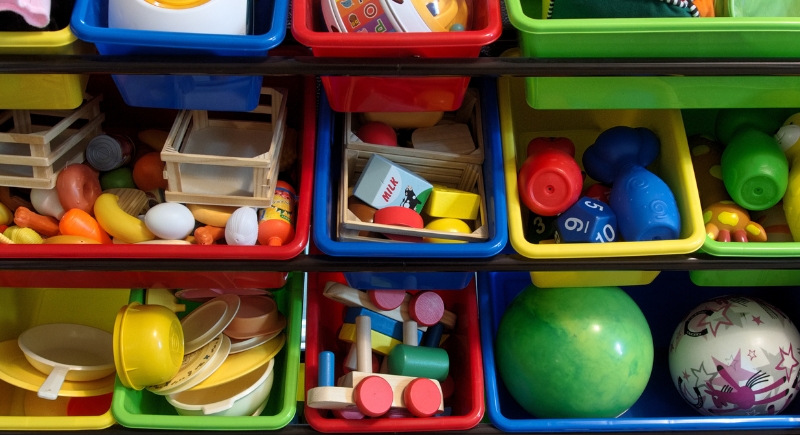
Children’s Toys
Credit: Getty Images
Antibacterial and disinfecting wipes leave chemical residues on surfaces. Frequent use of antibacterial wipes contributes to the spread of antibiotic-resistant bacteria. It’s not recommended to use these wipes on children’s toys, as children often put toys in their mouths. Residue transfers directly to the child.
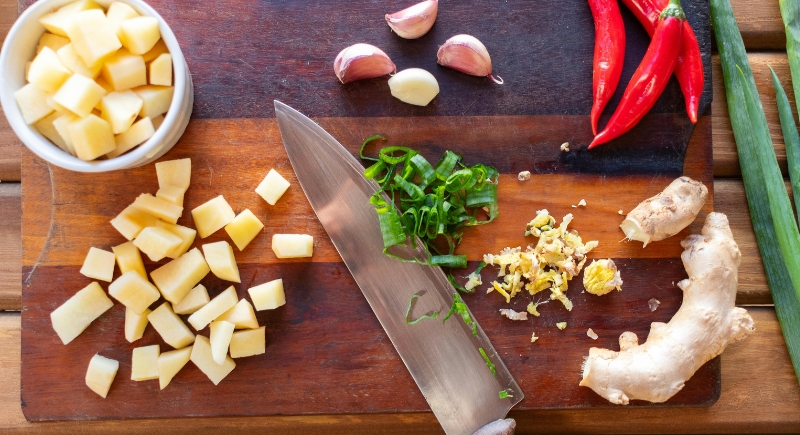
Food Prep Surfaces And Cutting Boards
Credit: pexels
A quick swipe won’t do much for surfaces that have been exposed to raw meat. Disinfecting wipes rarely keep the area wet long enough to kill germs. And many labels say you’re supposed to rinse afterward, something most people skip. Soap and hot water should come first before any deeper disinfecting.
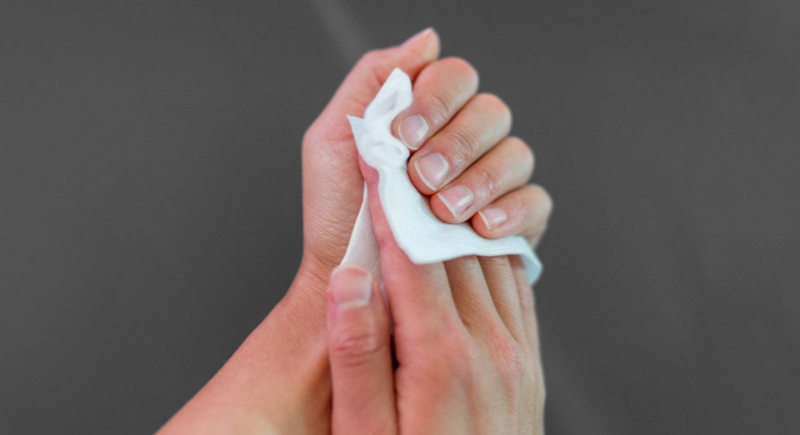
Hands
Credit: Canva
Disinfecting wipes and skin do not get along. The alcohols and other chemicals aren’t made for human use and can leave behind residues that irritate or dry out your skin. They also aren’t effective at removing germs from hands. Stick to soap and water or actual hand sanitizing wipes labeled safe for skin.
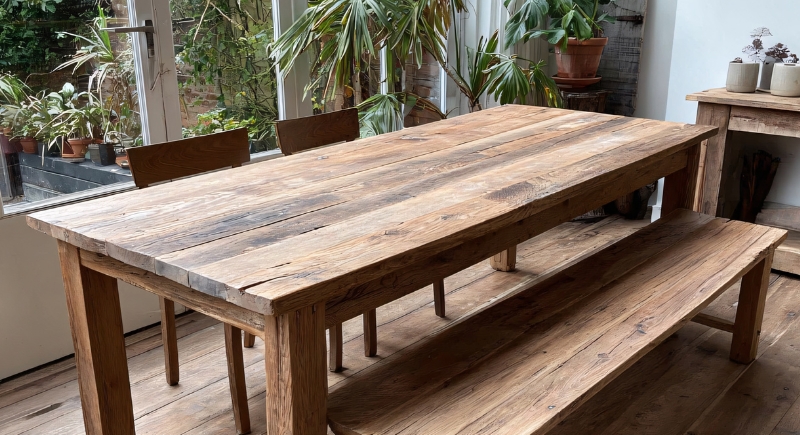
Hardwood Floors And Wood Furniture
Credit: Canva
Wood doesn’t respond well to lingering moisture, and that’s precisely what disinfecting wipes leave behind. On top of that, alcohol can strip protective finishes. It causes the surface to dull over time. A little soap and water or a wood-specific cleaner works better without risking long-term damage.
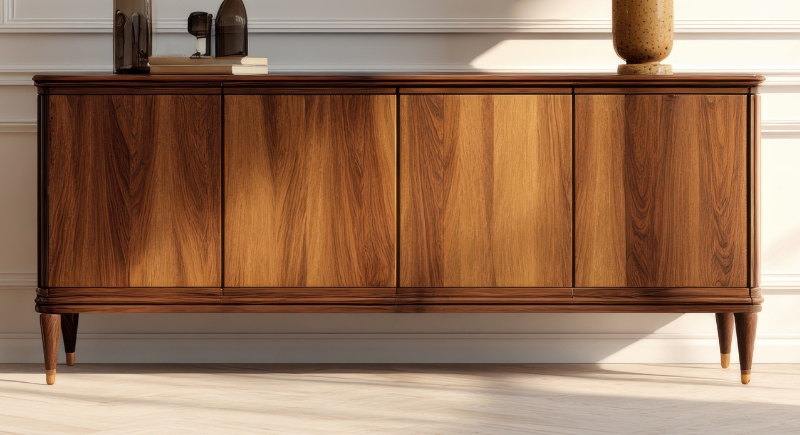
Lacquered Furniture And High Shine Woodwork
Credit: Canva
Shiny finishes don’t stay shiny for long if they’re repeatedly cleaned with alcohol-based products. Disinfecting wipes can soften lacquer. It leads to a cloudy or worn-down look. That glossy banister or decorative molding might look durable, but a damp cloth with gentle soap is far less damaging in the long run.
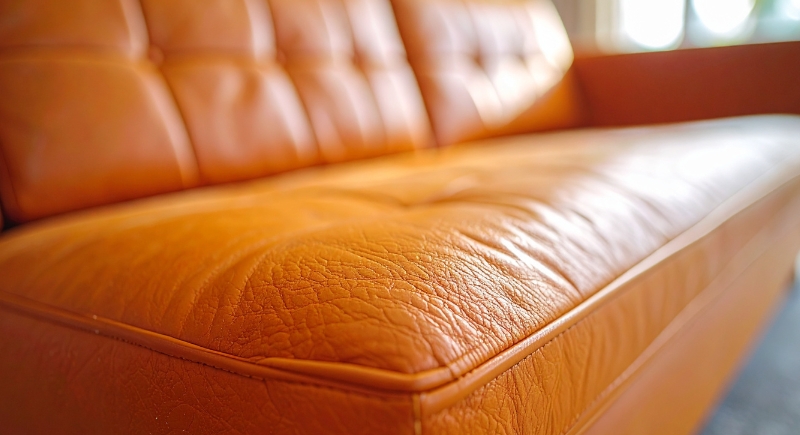
Leather
Credit: Canva
Many disinfecting wipes contain alcohol, and alcohol dehydrates leather. Repeated use causes leather to look dry and chalky. A gentle baby soap diluted in water is recommended. The leather should be wiped again with a clean, damp sponge to remove residue.
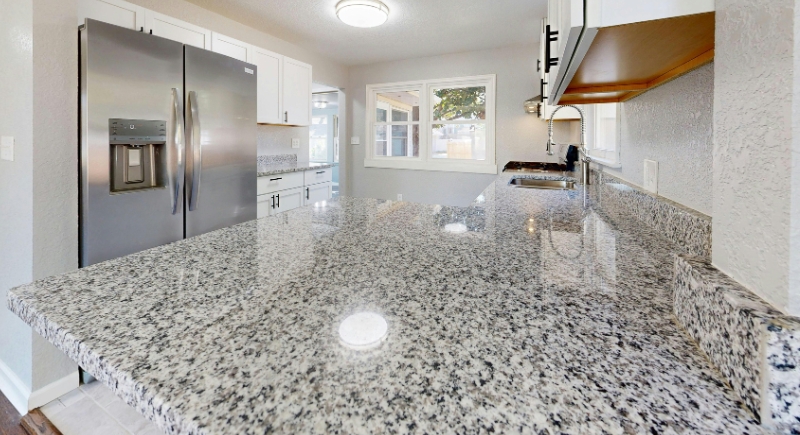
Unsealed Granite, Marble, And Other Stone Surfaces
Credit: pexels
Disinfecting wipes can wear down the sealants that protect materials like granite or marble. Over time, this leads to dull spots and minor scratches. Even vinegar is too acidic for these surfaces. Stick with pH-balanced stone cleaners or plain soap and water to keep them looking clean and polished.
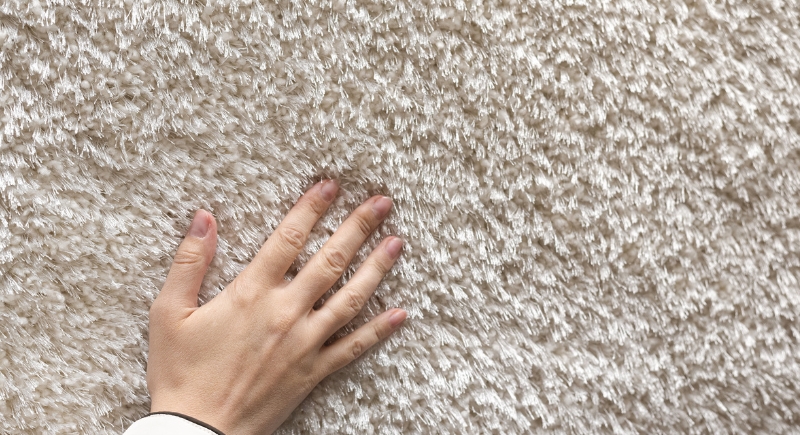
Carpets And Other Absorbent Materials
Credit: Getty Images
Soft, absorbent materials prevent disinfectants from doing their job. The wipes dry too fast, and using more doesn’t help. It just makes a soggy mess. For spills or stains, spot-cleaning with hydrogen peroxide (if safe for the fabric) after vacuuming is a better option. Always test a small area first.
Cleaning Multiple Surfaces With One Wipe
Credit: Africa Images
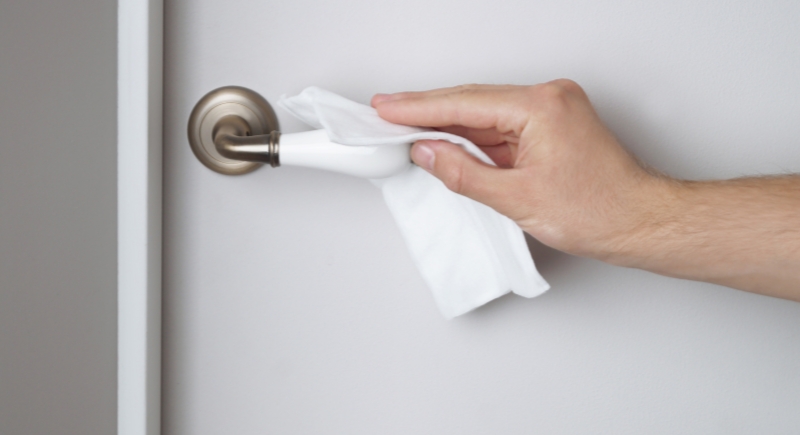
Reusing a single wipe across several surfaces spreads germs. Once it’s dirty, it’s just dragging bacteria from one place to the next. It’s best to toss the wipe after cleaning a small area and use a new one if you move on to something else.
Children’s Teethers And Pacifiers
Credit: Getty Images
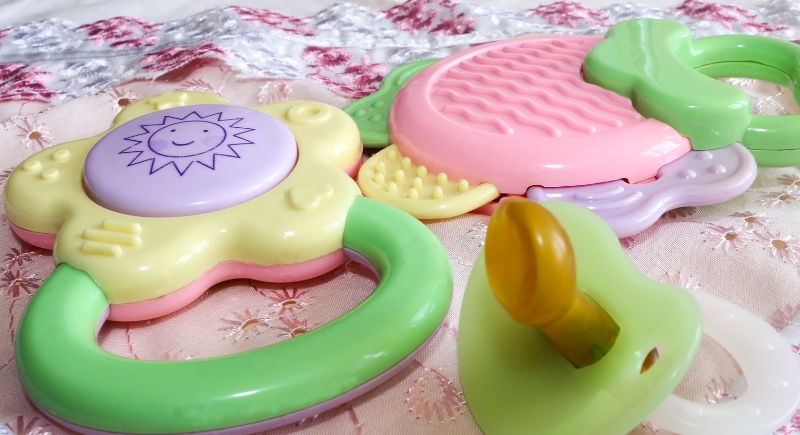
Children’s teethers and pacifiers go directly into a child’s mouth. Disinfecting wipes leave residues and often require rinsing afterward. Skipping this step risks ingestion of cleaning chemicals. Warm soapy water followed by thorough rinsing is the safer method.