Why the Mixtape Was the Most Romantic Gesture of the ’80s (And We Need It Back)
Before Spotify links and shared playlists, there was the nerve-racking act of handing someone a cassette tape and hoping they understood what it meant.
In the 1980s, a mixtape served as a deliberate message built through music. For many people, it was the closest they could come to saying “I love you” without having to say the words directly.
The fading of that practice hasn’t gone unnoticed.
It Took Time — And Time Is Romantic
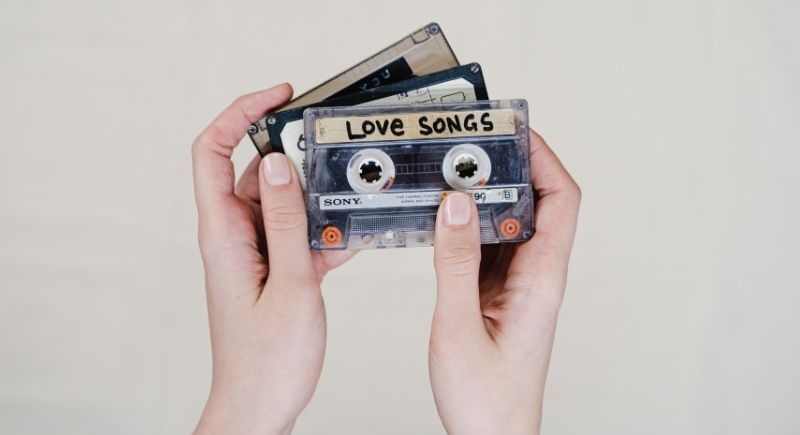
Image via Pexels/cottonbro studio
Mixtapes became widely popular in the mid-1980s, when boom boxes and the Sony Walkman made recording accessible to ordinary listeners. Cassette decks allowed people to tape vinyl records or record songs from the radio.
The process required patience. You had to let each song play to the end while recording. You had to anticipate when vocals began. If you miscalculated the remaining time on a side, you had to rethink your choices.
Most tapes were 90 minutes, divided evenly between two sides. The limitation forced careful planning. Every track occupied physical space, and once recorded, rearranging meant starting over.
Spending hours building a tape meant spending hours considering what you wanted to communicate. The sustained attention gave the gesture weight.
It Communicated Indirectly — Which Made It Powerful
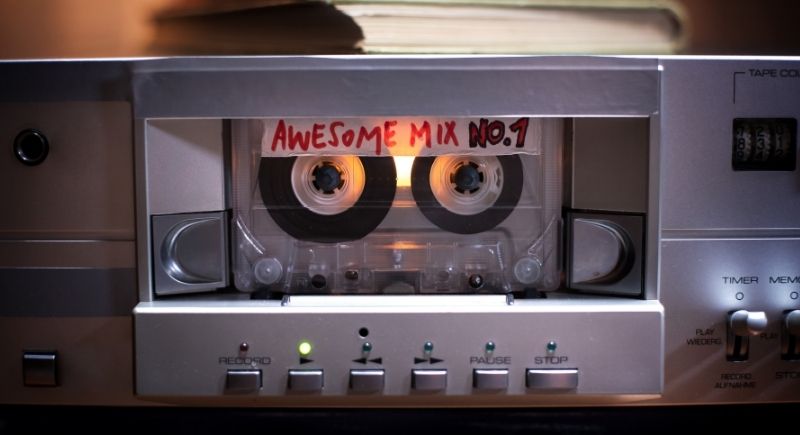
Image via Getty Images/nemke
Teenagers and young adults often struggle to articulate complicated emotions. Mixtapes offered an alternative.
Cultural scholars have described them as a form of emotional proxy. Instead of stating feelings outright, the sender let lyrics carry the message. The 1989 film Say Anything captures this dynamic. In the now-famous scene, John Cusack holds a boombox above his head while Peter Gabriel’s In Your Eyes plays. The character relies on music to speak for him. A thoughtfully sequenced tape functioned similarly.
Plus, if the recipient misinterpreted the intent, the sender could claim the songs were simply favorites. So, the overall emotional risk is lower.
Order Created Meaning
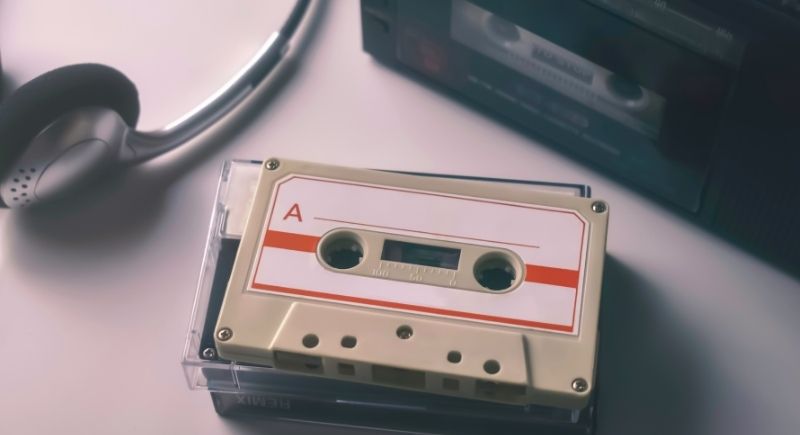
Image via Pixabay/subarasikiai
Cassette tapes imposed structure. Skipping tracks required effort, so most people listened in order.
The opening song set expectations. The final track left a lasting impression. Even transitions between songs shaped the listening experience.
Sequence was another thing that mattered. A lighthearted song could lead into something more intimate, or a confident anthem might give way to a vulnerable confession. The point was that the arrangement created a sense of progression. The sender built an intentional narrative.
The Physical Format Changed the Experience
Mixtapes were physical objects. They came in plastic cases with small paper inserts. The tracklist had to be written by hand. Titles were chosen carefully because space was limited. Some people added drawings or short notes.
Cassette tapes were also fragile. Players could jam, or the tape ribbon could unravel. Fixing it sometimes required a pencil to wind the spool back into place. Recording mistakes were permanent unless you rerecorded entire sections.
Those constraints introduced stakes that encouraged a notable level of commitment, especially considering the permanence. Once you handed someone a tape, you couldn’t edit it later.
Mixtapes also functioned as cultural exchange. In underground hip-hop and punk communities, tapes circulated from city to city, spreading new sounds. Informal tape-swapping networks allowed listeners to discover artists outside mainstream radio.
Are Playlists Really Different?

Image via Pexels/Ivan S
The instinct to share music has not disappeared. People still send curated playlists. Couples still attach memories to certain songs, and streaming platforms make it easy to title a playlist and choose cover art.
Music continues to carry emotional significance. What has changed is the level of friction.
A digital playlist can be assembled quickly. Songs can be reordered endlessly. Tracks can be deleted without consequence. There is no physical limit to length, and no irreversible recording button.
The ease reduces the sense of commitment, and hence, the emotional weight of the gesture.
What’s Worth Recovering?
Reintroducing cassettes is unnecessary. Reintroducing intentionality is not. Romantic gestures feel meaningful when they require time and consideration. The mixtape demanded both. It forced the sender to choose carefully and accept the result.