Why Sunday Dinners Cherished Tradition Disappeared
For a long stretch of time, Sunday dinner carried an expectation. Work paused, and errands could wait. It was simply understood that the week would close around a shared table. The alignment is easy to miss now because it no longer exists in the same form. The conditions that once brought people together without effort have gradually been replaced by routines that pull schedules in different directions.
A Tradition Shaped by How Life Was Organized
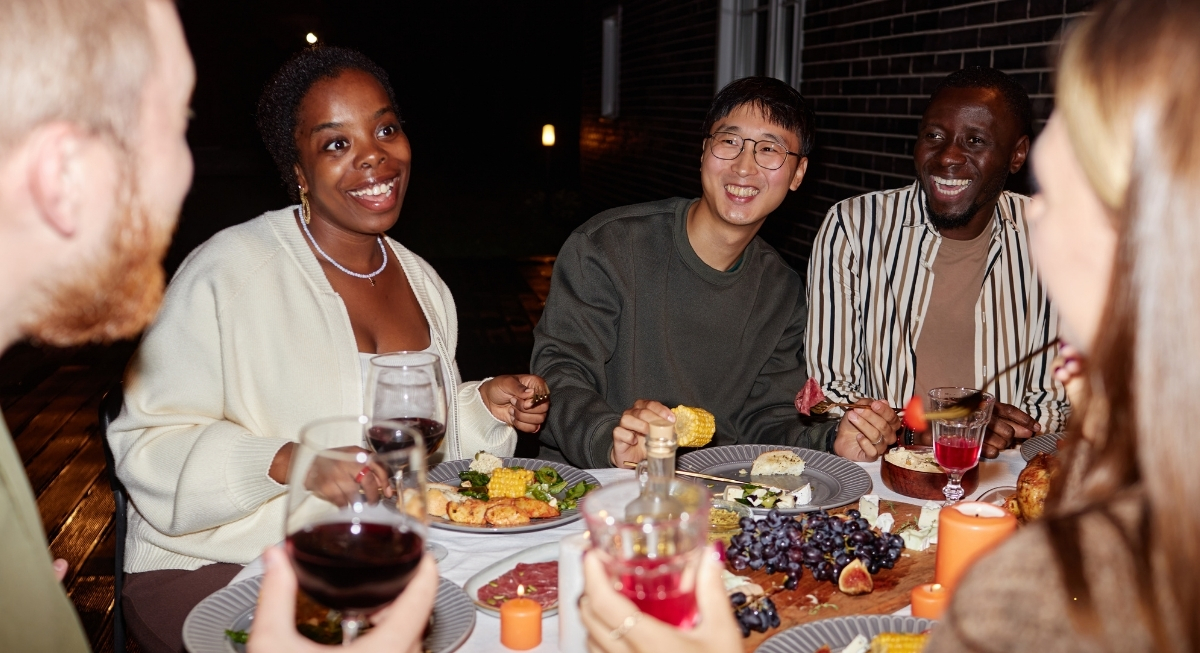
Image via Canva/Konstantin Pelikh
Sunday dinner grew out of how society functioned. In many parts of Europe, the day was tied to worship and rest, which meant people were free from labor at the same time. The shared break created room for a larger, more deliberate meal. As families carried this structure into new countries, especially in immigrant communities, the tradition held.
The strength of this tradition also came from consistency and the time block it protected week after week. Over time, this created a reliable setting where children picked up language, tone, and social cues by being present in ongoing conversations. Adults were also able to maintain relationships without needing a specific reason to meet.
Research continues to link regular shared meals with stronger academic performance, improved emotional well-being, and lower rates of risky behavior.
When That Structure Began to Change

Image via Getty Images/Shuttermon
The decline of Sunday dinner followed changes in the organization of daily life. Work schedules expanded beyond a shared five-day pattern, and weekends became part of the workweek for many industries. As more households relied on multiple incomes, free time became less predictable and harder to align.
At the same time, families began living farther apart. What once required a short walk or drive now often involves longer travel. Bringing everyone together started to depend on availabilit.
As structure loosened, daily life became more individualized. Activities, errands, and personal commitments began filling the same time that Sunday dinner once occupied.
It became common for people in the same household to eat at different times, depending on their schedules. The shared table turned into one option among many.
The Impact of Constant Distraction
Another layer of change came from how people spend their free moments. In earlier decades, downtime often led to conversation because fewer alternatives were competing for attention. Now, personal devices provide constant engagement. This does not eliminate connection, but it reduces how often people rely on shared experiences to maintain it. Nonetheless, family meals still carry the same benefits, so it’s worth a deliberate decision to make time.