Why Rewatching Old TV Shows Feels Like Visiting an Old Friend, According to Psychology
Rewatching a show you’ve already finished is a choice people make even when endless new content is just one click away. You already know how scenes unfold, how characters respond, and where each moment leads. The familiarity changes the experience.
This habit reflects how the brain handles effort, memory, and emotion. Psychology points to a set of clear mechanisms that explain why familiar shows keep pulling people back and why they feel so reassuring to return to.
Familiarity Reduces Mental Effort

Image via Getty Images/miodrag ignjatovic
Following a new show means learning character dynamics, tracking plotlines, and staying attentive to unfamiliar details, all of which place demands on working memory. Rewatching removes that burden almost entirely because the structure, tone, and outcomes are already known.
Research shows that when people feel mentally drained, they tend to select familiar content since it is easier to process and requires less cognitive effort. The brain stays engaged without expending the same level of energy.
There are no surprises with a familiar storyline. Knowing exactly how events will play out gives the experience a level of stability that contrasts with the unpredictability of everyday life.
Repetition Strengthens Attachment
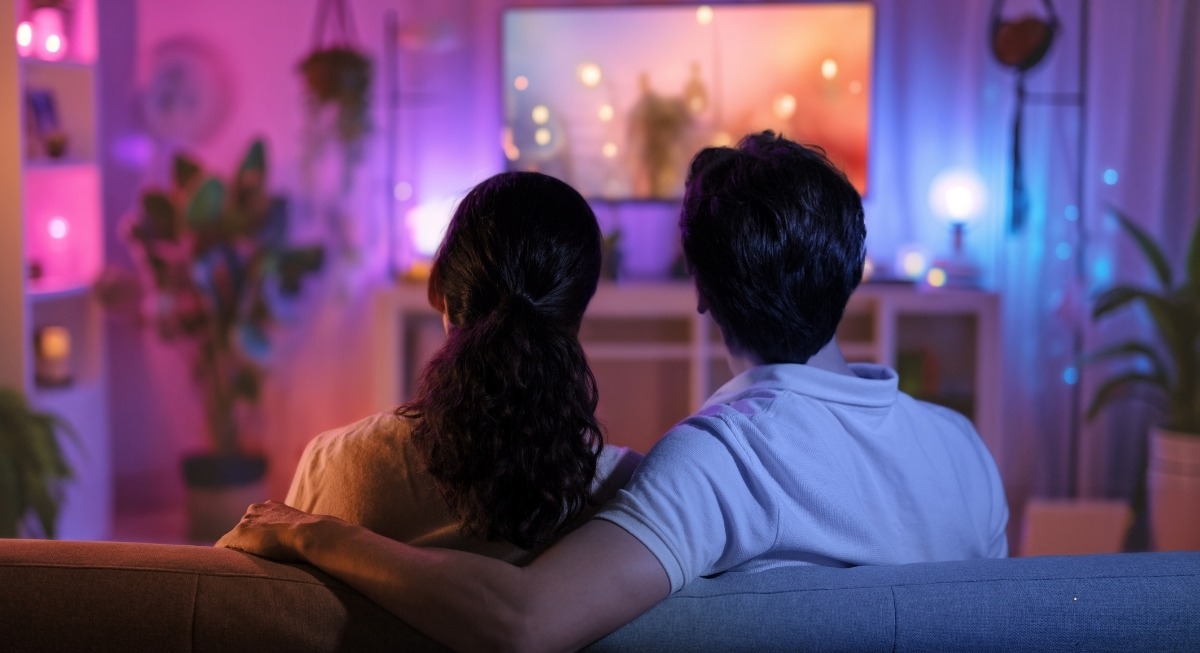
Image via Canva/Yuganov Konstantin
Repeated exposure changes how a show is experienced over time. Scenes become easier to recognize, dialogue feels more immediate, and emotional beats land with less effort.
This aligns with the mere exposure effect, where familiarity increases preference because the brain processes repeated material more efficiently. As processing becomes smoother, the experience becomes more enjoyable, which encourages continued rewatching.
There is also a reward component tied to repetition. The brain associates these shows with previous positive experiences, so returning to them triggers similar responses again. That feedback loop reinforces the habit.
Memory Links Shows to Specific Life Periods
Many shows carry associations tied to when they were first watched, whether that involves routines, environments, or specific relationships.
Revisiting them activates those connections and brings back the context surrounding the original experience.
Research shows that nostalgia can improve mood, reinforce a sense of meaning, and strengthen feelings of belonging. The emotional response extends beyond the storyline and includes the period of life connected to it.
Why It Feels Like Visiting an Old Friend

Image via Getty Images/BalanceFormcreative
The sense of familiarity from rewatching old TV shows extends beyond plot and structure into how viewers relate to characters. Over time, repeated exposure builds a level of recognition that mirrors aspects of real relationships.
Parasocial bonds, which describe one-sided emotional connections to fictional characters, help explain why those figures feel familiar and easy to return to. When these elements combine, the experience remains engaging without requiring effort or adjustment.