10 Common Reasons Why Patients Fail to Take Their Prescriptions
Prescriptions come with good intentions on both sides of the exam table. Yet in the United States, nearly half of medications for chronic conditions are not taken as directed, according to multiple public health studies. More often, it grows out of everyday fears, frictions, and misunderstandings that feel reasonable in the moment.
Fear of Side Effects

Credit: Getty Images
For many patients, the hesitation begins before the first dose is administered. A warning label or a dramatic post online can linger longer than a doctor’s explanation. When the potential risks feel immediate, and the benefits feel distant, skipping a pill can feel like self-protection rather than noncompliance.
Sticker Shock at the Pharmacy

Credit: pixabay
The moment at the counter can undo an entire appointment. A higher-than-expected copay forces quick math: groceries, rent, gas, or medication. Research from the National Bureau of Economic Research shows that even small price increases reduce adherence. Some patients walk away planning to return later, then never do.
The Medicine Feels Pointless

Credit: Getty Images
The patient’s motivation fades when they don’t seem to get better. Medications for blood pressure or cholesterol often work silently by preventing future harm rather than immediately changing how someone feels. Without physical feedback, daily pills start to feel optional.
Too Many Pills, Too Many Rules
Credit: Getty Images
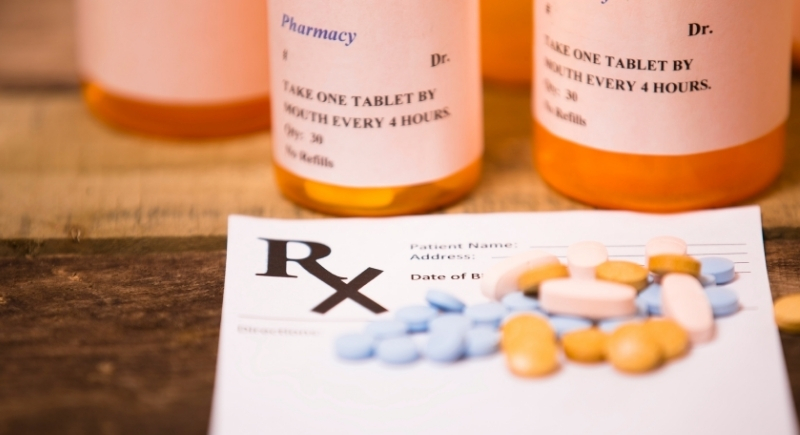
A treatment plan can quickly become a logistical puzzle as patients juggle morning and evening pills, food restrictions, and refills on different schedules. Studies on polypharmacy show that adherence drops as the complexity of medication increases. Even patients who care deeply about their health can stumble when routines become crowded with instructions.
Misunderstanding the Instructions

Credit: Getty Images
What sounds clear during an appointment can blur once life resumes. People often mix up dosage timing, duration, and purpose after the visit ends. Research shows confusion plays a significant role in nonadherence, especially with long-term medications where benefits aren’t obvious. Many patients stop early without realizing they were meant to continue.
Trust Issues With the System

Credit: Canva
For some patients, hesitation builds long before a prescription is filled. Headlines about drug pricing, lawsuits, and aggressive pharmaceutical marketing shape how people interpret medical advice, even when they trust their own doctor. That background noise can quietly influence decisions at home, where skipping doses feels like a personal judgment call.
Depression Changes Priorities

Credit: Canva
Medication routines often assume a level of energy and consistency that depression disrupts. When motivation is low and days blur together, health can slide out of focus. Public health research shows patients managing untreated depression miss medications at higher rates, not because they do not care, but because basic tasks already feel heavy.
Worries About Dependence

Credit: Getty Images
Long-term prescriptions can trigger concerns that have little to do with side effects. Some patients worry about becoming reliant on medication or losing a sense of control over their health. These fears surface often with pain management and mental health treatments. Without clear conversations, people may adjust doses to feel more independent.
Embarrassment and Stigma

Credit: Getty Images
Taking medication is not always a private act. Shared living spaces, workplace bathrooms, and public pharmacies can make certain prescriptions feel exposed. Drugs tied to mental health, addiction, or reproductive health still carry stigma. Research shows that privacy concerns alone can influence adherence, especially in smaller communities or crowded households where discretion feels limited.
Trouble Getting the Medication

Credit: pexels
Transportation gaps, long pharmacy lines, limited hours, or mail-order delays can derail even the best intentions. Studies consistently show that refill rates drop when transportation is unreliable. In rural areas or pharmacy deserts, the effort required to pick up medication can outweigh even a strong motivation to stay on track.