Why Do All Modern Movies Look So Gray and Depressing?
A steady rise in complaints about dim, colorless movies has followed the release of major films across genres. Viewers continue to report the same problem across platforms and devices, and the trend is now evident in everything from crime dramas to franchise blockbusters. The pattern is too consistent to dismiss, and plenty of viewers now ask the same irritated question: when did movies lose their color, and why has so much of Hollywood slipped into a gray fog?
Digital Tools Changed The Look
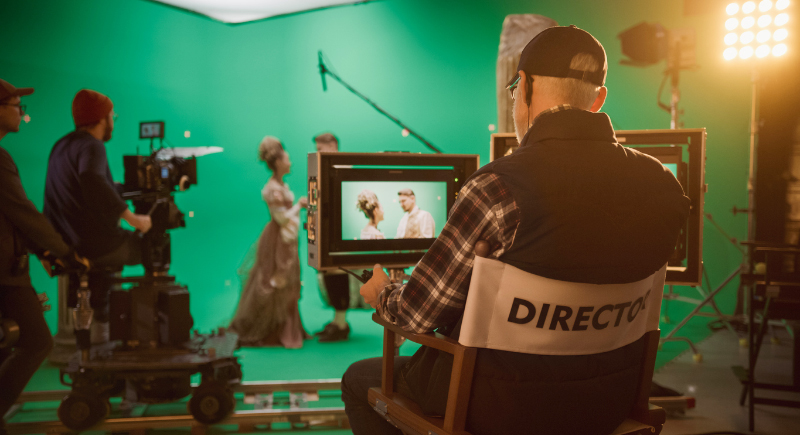
Image via iStockphoto/Gorodenkoff
Modern cameras record a clean image that captures every pore and stray cable with clinical precision. Visual effects teams lean on that clarity, then soften it later to blend CG with real footage. The process invites muted tones, because sharp, bright images expose tricks fast. Early digital projects often produced super-saturated images, which pushed cinematographers to work against that hyper-bright look and dial things down.
Color grading tools accelerated this trend. They allow global shifts across an entire shot with almost no friction. A production can create a preset palette before shooting begins, and many projects stick to it because it keeps days on set consistent and simplifies later work. Once that approach became common, many films settled into the same moody baseline.
The Shadowy Mood Took Over
Movies packed with high stakes lean on darkness to build tension. Horror titles do it for dread. Crime dramas do it for grit. Franchise entries do it because near-apocalypse stories feel heavier when everything looks a little bleak. Over time, that atmosphere became the default tone for blockbusters, even the colorful ones. The irony is that classic genre pieces managed heavy material without forcing the audience to watch through a dim fog.
Some filmmakers strive for realism and aim to make scenes appear more like they would be perceived by a human eye. That usually means lower contrast, softer highlights, and minimal lighting cues. The goal might be authenticity, though the tradeoff is clarity. When an entire project leans into the same approach, viewers feel the strain even if the intent is honest.
The Battle Between Immersion And Style
Another thing that influences brightness is camera placement. Productions that aim for an immersive feel tend to position the cameras closer to the performers while using wider lenses. This look gained popularity in the digital era, and it encourages more naturalistic lighting. Once scenes lean that direction, brighter choices can break the illusion. The result inches toward murkiness unless handled with surgical precision.
The pressure to match visual effects also plays a part. A dark scene hides flaws, makeup seams, or unfinished details. It becomes a useful shortcut on tight schedules. Many filmmakers still push for a textured, intentional image, but the industry’s pace nudges teams toward choices that mask problems.
Home Screens Complicate Everything

Image via iStockphoto/Monkeybusinessimages
Where a movie is watched can make things worse. Bright lighting, small TVs, streaming compression, or default display settings can quickly erase detail. Even well-graded films can look muddy when a room overpowers the screen. Technicians often note that one wrong setting can turn a balanced shot into something hard to watch. Theaters face similar issues when projectors are poorly maintained or bulbs fade.
As screens improve, filmmakers assume viewers can read subtler tones. That assumption often clashes with real home setups, and frustration gets blamed on the movie instead of the environment.
Directors and cinematographers now have broad control over color, which invites experimentation. Many favor grounded, natural palettes. Trouble starts when that look spreads everywhere. Variety fades, spectacle loses impact, and audiences are left wanting images that feel clear and alive again.