Why Concert Ticket Stubs Were the Scrapbook of a Generation — and What We Lost Going Digital
Back in the 80s and up till the 20s, concerts often followed you home in the form of ticket stubs. These stubs stacked up in drawers and filled shoeboxes with proof of nights that might otherwise blur together over time. For many fans, they became a way to keep track of where they had been and what they had seen. The system gradually faded as physical tickets became less common and digital entry took over.
A Physical Timeline You Could Hold

Image via Getty Images/Alexthq
Even before smartphones, concertgoers documented shows, and ticket stubs were one of the most common ways people kept track of concerts they attended. They ended up taped to bedroom walls, stuck into scrapbooks, or stored in shoeboxes that grew heavier with every new event.
A stack of stubs could show who you’d seen and when you saw them. It also offered a rough timeline of how your taste changed over the years.
Buying a ticket stub often meant standing in line at a box office or record store and paying cash. After that, it had to be stored carefully until the event. In the days leading up to a concert, people would sometimes take their tickets out just to look at them and build anticipation. After the show, that same piece of paper became proof that you were there.
Designed to Be Saved

Image via Pexels/cottonbro studio
Promoters and organizers understood that tickets could carry emotional weight. In 1968, University of Michigan athletic director Don Canham pushed for custom-designed football tickets, believing fans would keep them and revisit them later. Many did, and those tickets became lasting mementos.
Concert tickets followed a similar path. Bands and promoters used color, typography, and layout to reflect the identity of a tour or artist. A ticket from a 1970s show by The Grateful Dead or Led Zeppelin looked very different from one used at a 1990s festival.
Collectors took notice, and some rare tickets now sell for hundreds of dollars, valued for both their cultural significance and the events they represent.
The Move to Digital Entry
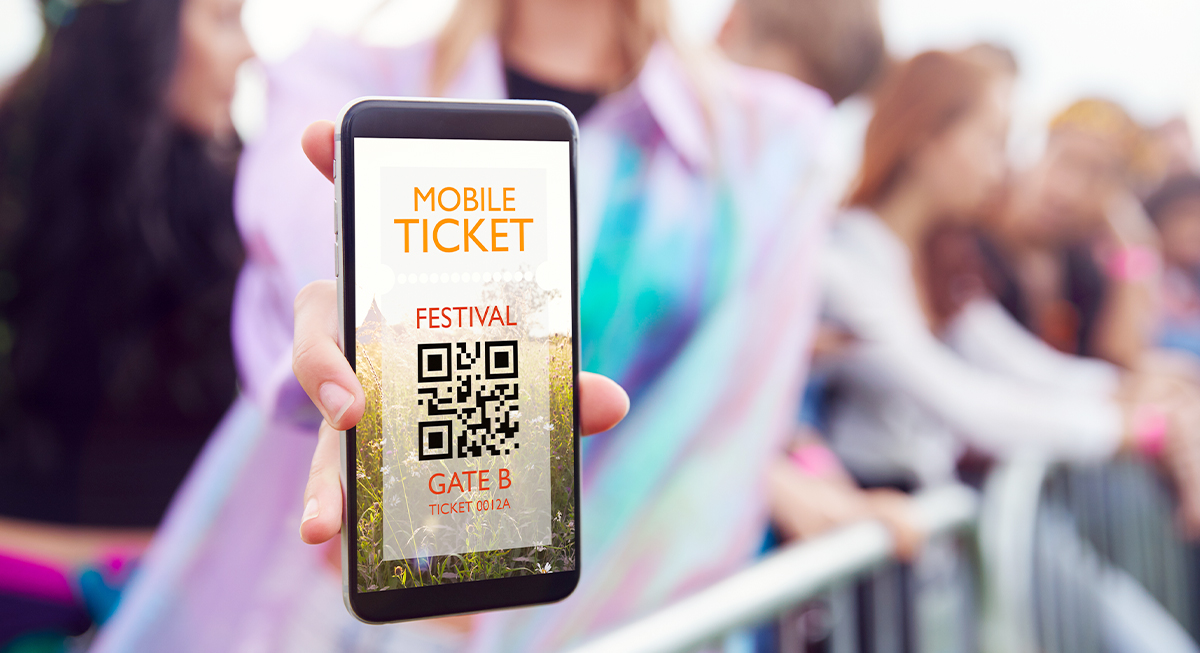
Image via iStockphoto/monkeybusinessimages
The shift away from physical tickets came as ticketing systems evolved. Concerns about fraud, scalping, and theft prompted organizers to adopt digital solutions tied to accounts and smartphones.
By the early 2010s, printed barcodes had started replacing traditional tickets. Mobile apps followed, along with RFID wristbands and fully digital entry systems. The COVID-19 pandemic accelerated this shift, with venues adopting contactless access and reducing printed materials.
From a practical standpoint, digital tickets solve real problems. They are harder to counterfeit, easier to transfer, and less likely to be physically lost. They also offer venues and organizers more control over access and resale.
But the efficiency came with trade-offs. Digital tickets often become harder to revisit after an event, whether they’re archived in an app or buried in an email inbox. They don’t resurface years later in the same way a paper stub might. Instead, memories are more likely to live in photo galleries, videos, and digital files, which can accumulate quickly and feel less curated over time.
Another change is visual. Physical tickets once gave artists and promoters space to experiment with design. Many modern digital passes focus on functionality, often centered on barcodes or QR codes, with less emphasis on aesthetics.
Attempts to Bring It Back
Some parts of the industry have started to respond. Ticketmaster introduced souvenir tickets in 2021 by offering printed versions for fans who want something tangible as keepsakes. Some fans appreciate the gesture, while others feel it lacks the character of older designs.
Companies are experimenting with digital collectibles, including NFT-based tickets that can include artwork, event details, and additional content. The goal is to recreate a sense of ownership in a digital format, though it’s still unclear how closely that experience matches holding a physical object.
At the same time, independent artists and fans are filling the gap themselves. Custom-designed tickets are being sold online as unofficial keepsakes, often with more attention to detail than standard digital passes.