Why Adult Sibling Relationships Are the Most Underrated Bonds We Have
Most friendships begin in the school years or in adulthood, and romantic relationships often appear later and sometimes end. But sibling relationships begin at birth and span every stage of life. Research highlighted by NPR shows that about two-thirds of people in a large study said a brother or sister counts among their closest friends. It makes sense considering how much time siblings spend together as they grow up. They see the awkward years, the family arguments, the inside jokes, and the moments nobody outside the family ever hears about.
Evolutionary biology adds another aspect. Brothers and sisters share roughly half their DNA, and that genetic connection encourages cooperation and loyalty, a concept biologists describe through kin selection. British evolutionary biologist J.B.S. Haldane once joked about the math behind family loyalty, saying he would sacrifice himself for two brothers or eight cousins. Science aside, the length of the relationship often makes siblings feel like permanent fixtures in life.
Childhood Rivalry Turns Into Adult Skills
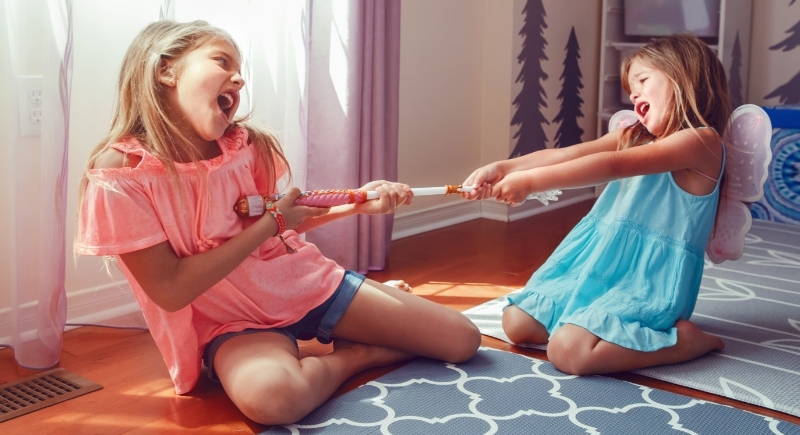
Image via Canva/annakraynova
Sibling arguments have a reputation for chaos. Fights over toys, attention, or television control feel endless during childhood. But psychologists say those conflicts carry surprising benefits.
Psychologist Victor Cicirelli wrote in the 1995 book Sibling Relationships Across the Life Span that siblings help each other develop both social and cognitive skills. Older siblings gain social experience by interacting with younger ones, while younger siblings often learn through imitation.
Even mild rivalry plays a part. Negotiating, arguing, and competing for parental attention teach communication skills that later appear in friendships, workplaces, and romantic relationships. Laurie Kramer, a clinical psychologist at Northeastern University, describes sibling interaction as a major influence on child development. Those early dynamics create patterns that can continue well into adulthood.
Family Roles Follow People Into Adult Life

Image via Canva/Monkey Business Images
Many families unintentionally assign roles to their children. One sibling becomes the social one, another the responsible one, and another the quiet one. Robin Marantz Henig described this dynamic in an NPR report about adult siblings. When one child earns the reputation of being the smartest or funniest, others often develop identities in contrast. These comparisons shape personality and self-perception for years.
Therapist Karen Gail Lewis, who spent decades studying sibling relationships, even describes siblings as a “laboratory for all subsequent relationships.” Early dynamics between brothers and sisters can influence how people interact with friends, partners, and coworkers later in life. Those childhood patterns help explain why sibling relationships often remain emotionally intense long after people leave home.
Adult Life Brings New Meaning To The Bond

Image via Canva/Philippe Degroote
Adulthood influences sibling relationships in surprising ways. Careers, marriages, and distance shape how often siblings see each other, while new responsibilities pull them back together.
Aging parents often become a turning point. Siblings suddenly coordinate doctor visits, caregiving schedules, or difficult family decisions. Research led by sociologist Jill Suitor at Purdue University studied 274 families with 708 adult children and found that perceptions of parental favoritism during childhood can affect how siblings handle these responsibilities decades later.
Despite occasional conflict, supportive sibling relationships still carry measurable benefits. Studies examining middle age and older adulthood show that mood, stress levels, loneliness, and life satisfaction often connect to how people feel about their siblings.
Shared History Nobody Else Has
Friends learn about our childhood through stories, but siblings have lived it. The shared history creates a level of understanding that hardly appears anywhere else. They remember early versions of each other long before careers, marriages, and adult responsibilities appeared. They also recognize patterns that outsiders miss.