What Latchkey Childhood Really Did to a Generation
The term latchkey child originally described kids who carried a house key to school so they could let themselves in while their parents were at work. That generation is now old enough to look back and assess what those afternoons actually did.
At the same time, the dynamic has not disappeared. Researchers now use the term self-care to describe children who spend time without adult supervision after school, and national surveys suggest that about 12% of children ages 5 to 12 are in self-care at least one afternoon per week, with broader estimates reaching into the millions.
So when adults say they “turned out fine,” they are talking about an experience that still exists in a modern form. But the real question is how age, time, environment, and family context shape the outcome of a latchkey childhood.
The Independence Argument
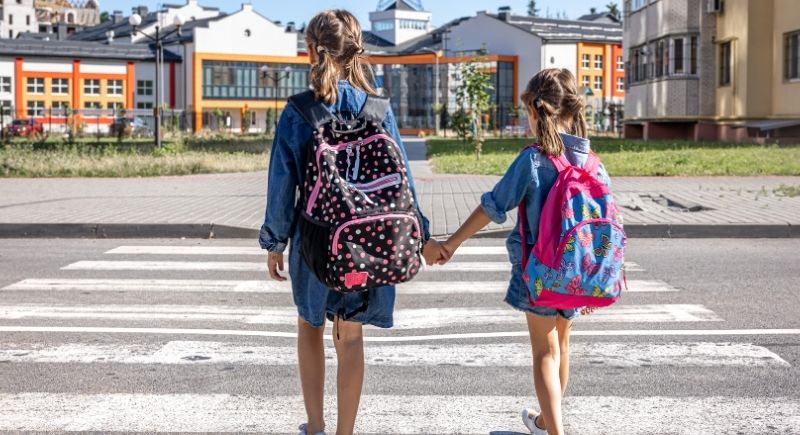
Image via Canva/Edward Smith
Adults who describe themselves as former latchkey kids often credit those hours with building competence. Research on self-efficacy supports part of that claim.
Early experiences solving real problems independently can strengthen confidence later in life. Many recall learning to make snacks, manage homework, settle sibling disputes, and handle minor emergencies without immediate adult intervention.
However, longitudinal studies suggest that context is crucial. Children who were well-adjusted before experiencing limited self-care and who were left alone for developmentally appropriate periods often showed no significant negative outcomes later.
When unsupervised time was modest and introduced gradually, many children functioned similarly to supervised peers in adolescence.
When Time Alone Becomes Too Much
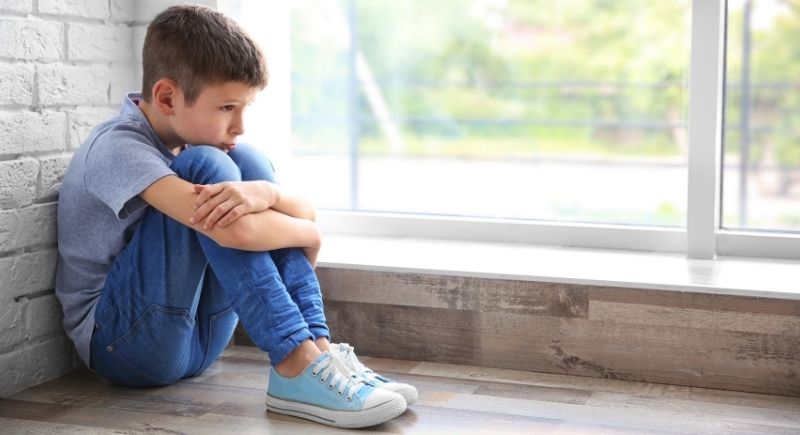
Image via Canva/pixelshot
A large study of 46,000 young adolescents showed that duration changes the picture. Those left alone for less than three hours at a time showed no major differences in depression, self-esteem, behavior problems, or academic performance compared to fully supervised peers.
Those left alone for more than three hours at a stretch reported significantly lower adjustment across measures. So, the amount of time alone matters.
Age also plays a role. Children under 10 are more likely to report loneliness, boredom, and fear during unsupervised hours. Adolescents face different risks. Multiple studies have linked extended unsupervised time with peers to higher rates of behavioral problems, alcohol use, truancy, and susceptibility to peer pressure.
Plus, being home alone is not the same as spending hours in public spaces without adult oversight. The context of self-care shapes the outcome.
Environment and Income Matter
Socioeconomic context further complicates the narrative.
Contrary to common assumptions, children from higher-income suburban families often spend more time in self-care than those from lower-income households. Parents in neighborhoods they perceive as safe may feel more comfortable allowing their children greater independence.
At the same time, research consistently finds that negative behavioral effects are more pronounced among children from low-income urban environments, especially when supervision is inconsistent, and neighborhoods are rated as unsafe. Family stress, prior behavioral challenges, and limited community resources can amplify the risks associated with unsupervised time.
Parental attitudes also influence outcomes. When parents feel secure about their work situations and confident in their childcare arrangements, children tend to approach self-care with greater ease. When parents express anxiety or guilt about being absent, children often reflect that tension. Independence accompanied by reassurance produces different results than independence accompanied by stress.
The Quiet Tradeoffs
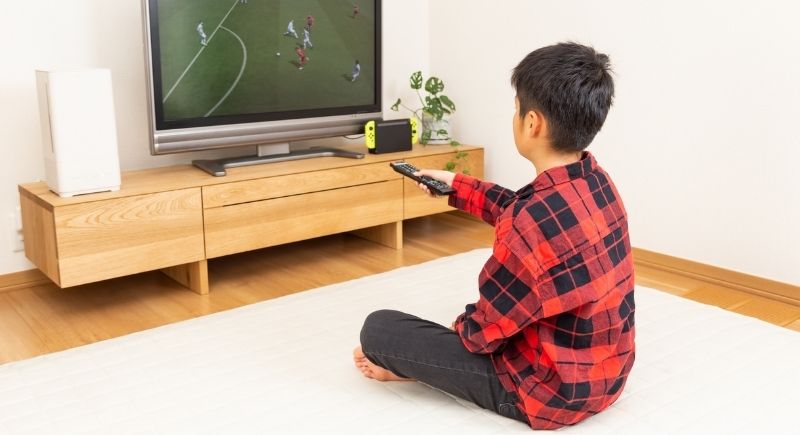
Image via Canva/Aflo Images
Looking back, many former latchkey kids describe both gains and losses.
Increased television watching has been associated with greater unsupervised time. Qualitative research has documented feelings of isolation during long afternoons alone, and some adults trace patterns of hyper-independence, reluctance to ask for help, or reliance on distraction back to those years.
At the same time, many credit those hours with teaching practical competence. Navigating neighborhoods, preparing simple meals, budgeting allowance money, and solving everyday problems without immediate adult oversight fostered decision-making skills.
Advocates of greater childhood autonomy argue that gradual exposure to responsibility prepares children for adulthood in ways that constant supervision does not.
Finding the Middle Ground
Researchers agree there is no single latchkey story. Outcomes depend on age, duration, neighborhood safety, peer context, temperament, and family stability.
Younger children left alone for long stretches face a higher risk. Unsupervised time with peers shows stronger correlations with problem behaviors than solitary time at home. Gradual transitions into independence produce better outcomes than abrupt shifts.
Some specialists recommend that children under 12 not be left unsupervised for extended periods, though state guidelines vary. Well-structured after-school programs demonstrate positive academic and social benefits, particularly for children in higher-risk settings.
For families who rely on self-care, preparation matters. Clear rules, emergency plans, consistent communication, and realistic time limits shape whether independence becomes growth or strain.