Weirdest Food Origins That Sound Completely Impossible
The foods we consider normal today often began in ways that sound unlikely or even absurd. Many well-known dishes were the result of mistakes, preservation experiments, shortages, or simple improvisation. Looking at their origins reveals how unpredictable the history of food can be.
Sandwich
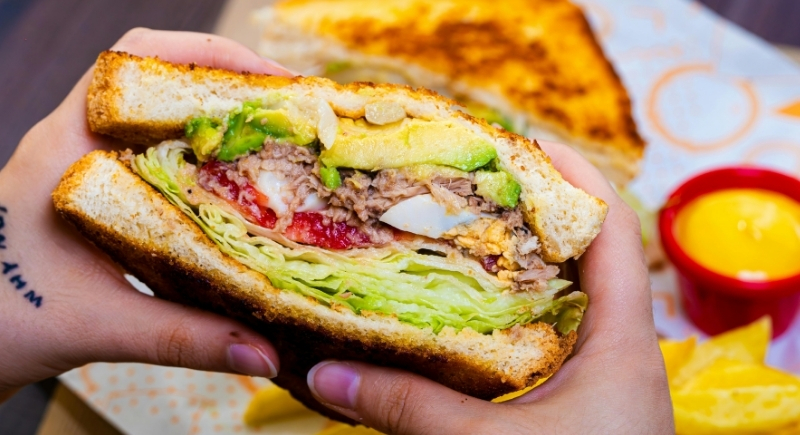
Credit: pexels
John Montagu, 4th Earl of Sandwich, did not mean to invent lunch. In the 18th century, the British aristocrat reportedly refused to leave his gambling table for dinner. He asked for meat placed between slices of bread so he could keep playing cards without greasy fingers. Other gamblers started ordering “the same as Sandwich.” His title became the name of a meal now eaten in nearly every country.
French Fries
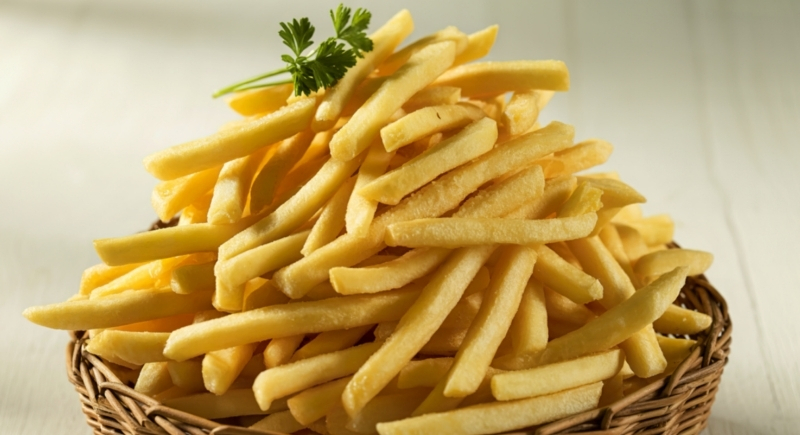
Credit: Canva
In the 1600s, villagers in what is now Belgium relied on river fish as a main food source. Winter froze the rivers and brought fishing to a complete stop. Thus, potatoes were sliced into strips shaped like small fish and fried instead. During World War I, American soldiers tasted them and heard locals speaking French. They called them French fries. The name stuck, even though Belgium deserves the credit.
Sushi

Credit: Getty Images
Sushi began as a preservation method in ancient Southeast Asia, particularly along the Mekong River basin. Local communities salted fish, packed it in cooked rice, and left it to ferment for months. The rice prevented spoilage and was discarded before eating. When this method later reached Japan, it was refined into narezushi. Over time, the fermentation period shortened, the rice was eaten with the fish, and the dish gradually evolved into the sushi served today.
Chocolate
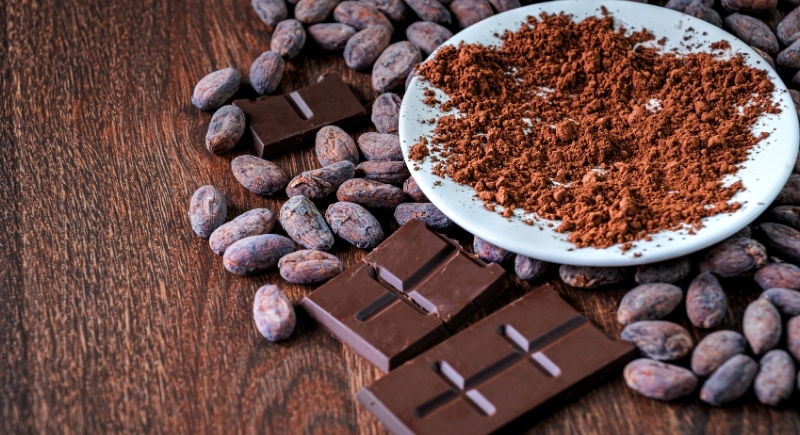
Credit: Canva
Chocolate traces back more than 5,000 years to ancient Mesoamerica, in regions that are now Ecuador and Mexico. Civilizations such as the Olmec and Maya fermented, roasted, and ground cacao beans into a bitter, frothy drink used in rituals, as medicine, and as a form of currency. When cacao reached Europe in the 16th and 17th centuries, sugar was added and it became a popular beverage. During the 19th-century Industrial Revolution, new processing methods turned chocolate into the solid bars familiar today.
Pizza
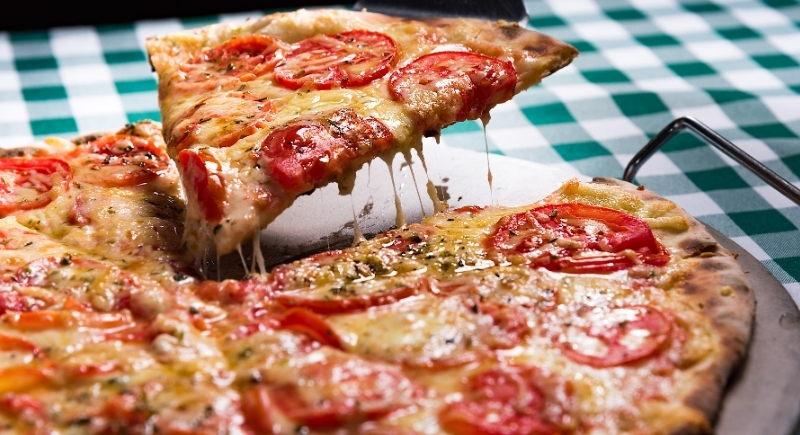
Credit: Getty Images
In 18th- and 19th-century Naples, pizza was considered cheap street food for the working class. Vendors sold flatbread topped with tomatoes and cheese as an affordable meal. Wealthier citizens looked down on it. In 1889, Queen Margherita visited Naples and tried a pizza topped with tomatoes, mozzarella, and basil. Her approval boosted its reputation across Italy.
Cheese
Credit: Getty Images
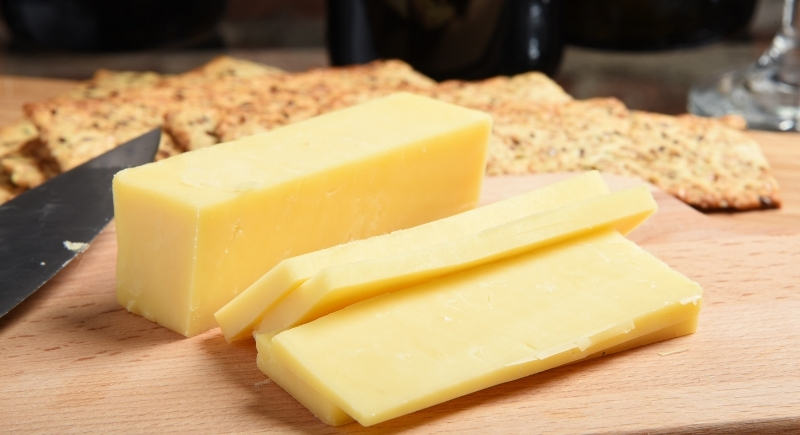
Milk spoils fast, but ancient civilizations figured out how to stretch its shelf life. Egyptian records and Greek mythology reference cheesemaking thousands of years ago. Milk stored in animal stomachs is mixed with rennet, an enzyme that causes coagulation. The liquid separated into curds and whey. The curds tasted good, so people kept making them.
Wine

Credit: Getty Images
Alcohol was likely invented by accident. Early humans gathered large amounts of fruit, and grapes at the bottom of the pile were crushed under their own weight. The natural fermentation converted sugars into alcohol. Someone tasted it and noticed the effect.
Coffee
Credit: Canva
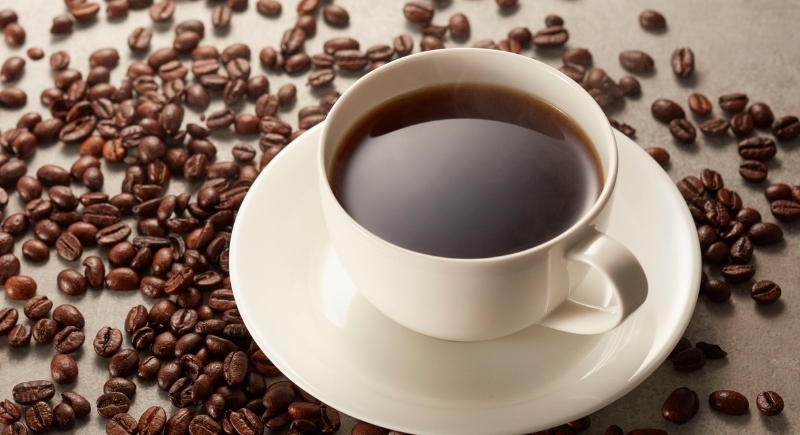
Around 850, an Ethiopian goat herder named Kaldi reportedly noticed his goats became unusually energetic after eating red coffee cherries. People first brewed the leaves into tea. Others chewed the berries for stimulation. Centuries later, the beans were roasted and brewed into the drink recognized today. Morning coffee culture owes a lot to hyper goats.
Potato Chips
Credit: Getty Images
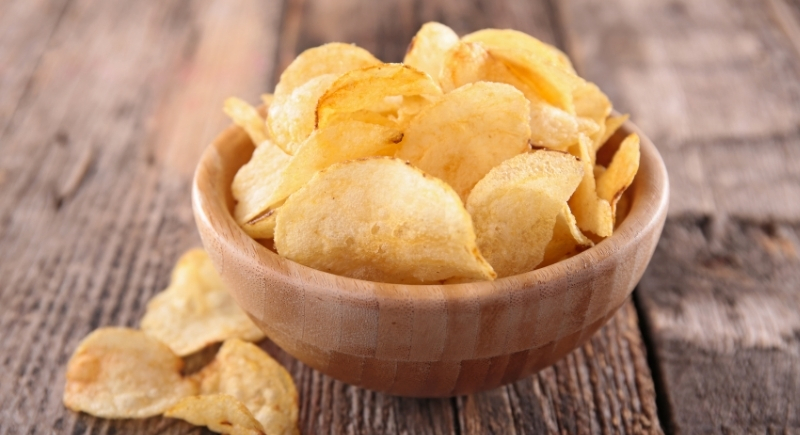
In Saratoga, New York, chef George Crum responded to a complaint about soggy fried potatoes by slicing them so thin they were almost transparent. He fried them until crisp and sent them out. The customer loved them. They became known as Saratoga Chips. Whether he fully invented them or not, Crum helped turn a kitchen clapback into a billion-dollar snack industry.
Worcestershire Sauce
Credit: Wikimedia Commons
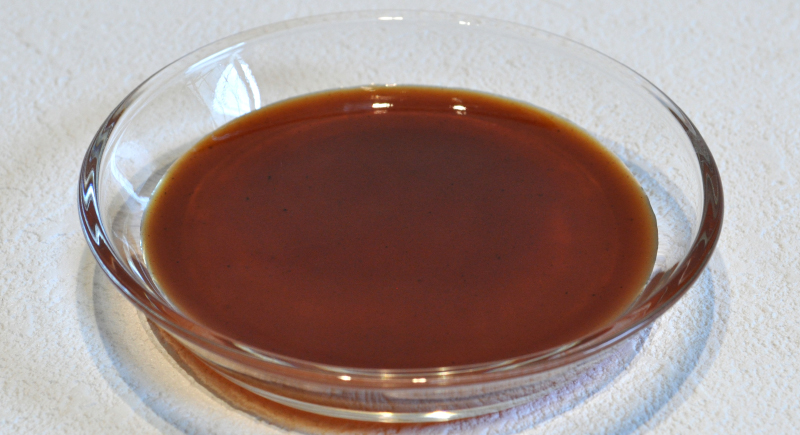
John Lea and William Perrins tried to recreate an Indian sauce for a local English baron in 1835. The mixture tasted terrible at first. It was stored in a basement and forgotten. Nearly two years later, fermentation transformed the flavor into something rich and savory. The once-rejected batch became Worcestershire sauce.