Weirdest Anime Concepts That Actually Worked
Some anime start with ideas that sound like they should never work. On paper, they feel strange, messy, or outright ridiculous. But when a show knows exactly what it is doing and sticks to its own rules, that weirdness becomes easy to accept. The characters react in ways that feel natural, the world stays consistent, and the story never tries to explain itself away. That steady commitment is why these anime end up working, even when the concept sounds wild at first.
Attack on Titan
Credit: IMDb
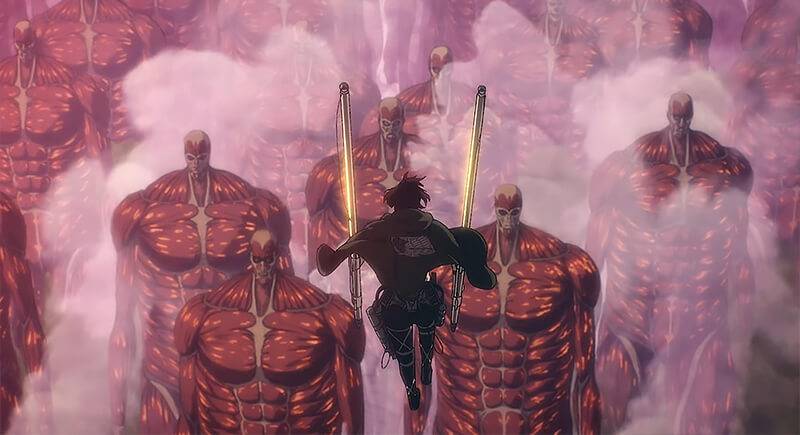
From the start, the show makes one thing clear: the walls exist because humanity already failed once. The Titans follow specific biological rules that slowly come into focus, and each new detail changes how earlier events feel. What begins as survival horror turns into a story about power, control, and fear on a larger scale. The violence is there to push the story forward, and every reveal carries consequences that linger, which keeps the strange premise feeling serious and earned.
JoJo’s Bizarre Adventure
Credit: IMDb
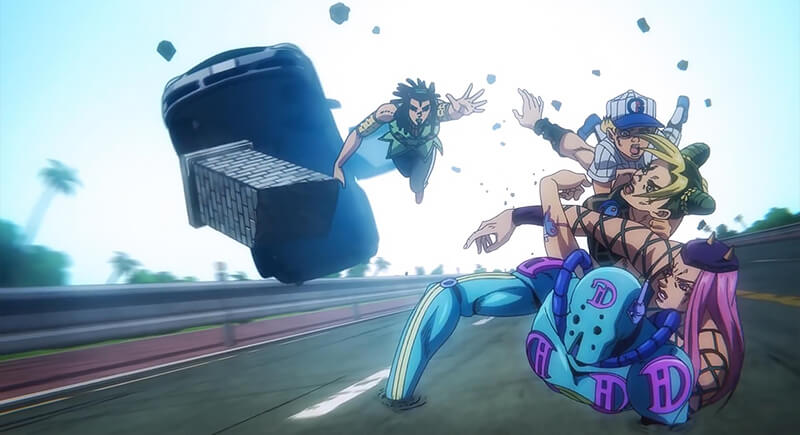
JoJo’s Bizarre Adventure does not try to ease you in. The exaggerated fashion, poses, and dialogue are treated as completely normal within the story, so the danger never feels like a joke. Jotaro reacts to chaos as if it is routine, because for him it is. What makes it work is consistency. The rules stay clear, battles stay strategic, and each generation builds on the last without breaking the world.
Death Note
Credit: IMDb
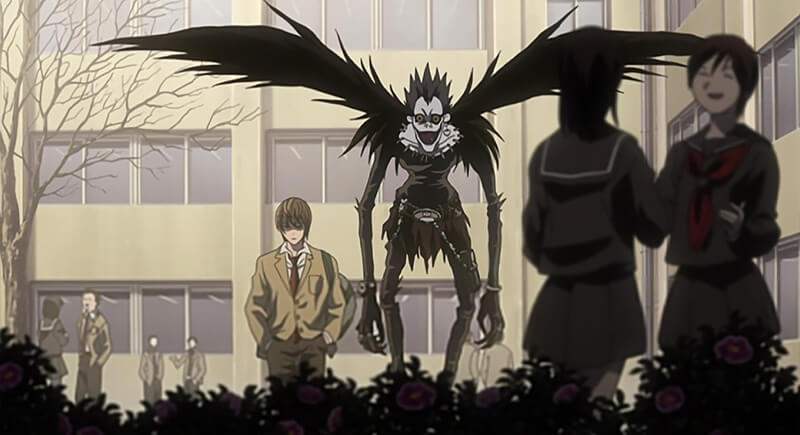
A simple notebook becomes lethal because its rules actually matter. Every condition and limitation shapes how plans unfold, so each move feels earned. The tension comes from thinking, waiting, and watching traps close rather than from physical fights. What truly drives the conflict is moral certainty, as intelligence slides into obsession and begins to dictate every choice across the series.
Mob Psycho 100
Credit: IMDb
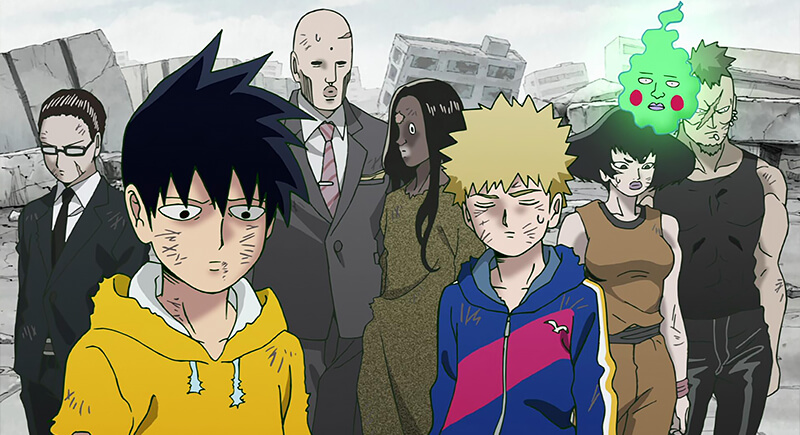
Explosions of color sell psychic combat in Mob Psycho 100. And yet, the real system tracks emotions. Power spikes occur when repression cracks, and that meter governs every fight. Comedy scenes exist to release pressure, while sincere conversations reset the scale, which keeps the chaos readable and tied to growth for audiences watching personal development unfold episode by episode over time.
One-Punch Man
Credit: IMDb
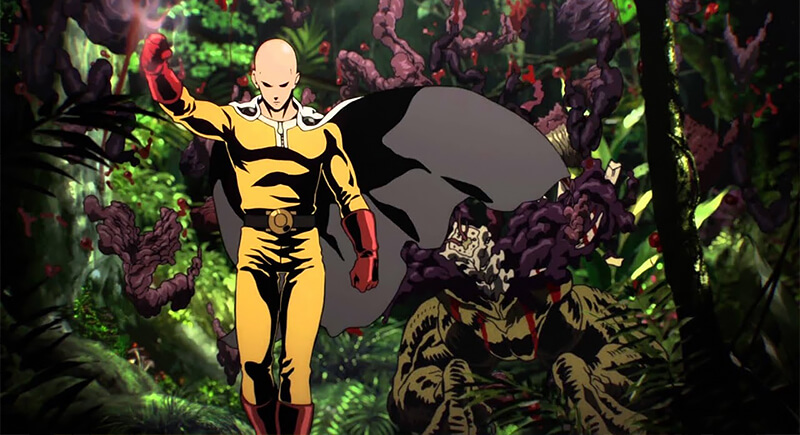
Saitama ends fights the moment they start, and that’s the problem. With no real opposition left, the story shifts away from winning and toward boredom, status, and meaning. Big action set pieces still exist, but they are almost beside the point. By giving its hero absolute strength, the show exposes how empty power fantasies can feel once struggle disappears.
FLCL
Credit: IMDb
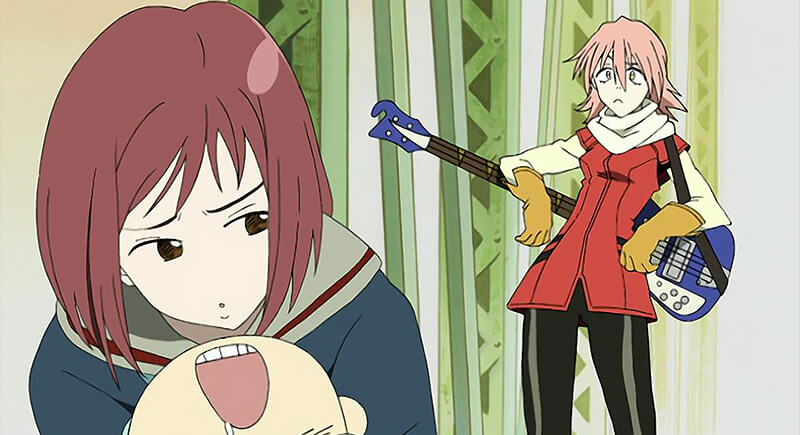
FLCL communicates through music, motion, and rhythm, prioritizing emotion over explanation. The imagery stays chaotic, but the feeling is clear. Robots burst from heads as a metaphor for puberty and emotional overload. That confusion fits adolescence, where experience comes first, and understanding follows later, shaped by influences from experimental animation and music videos.
One Piece
Credit: IMDb
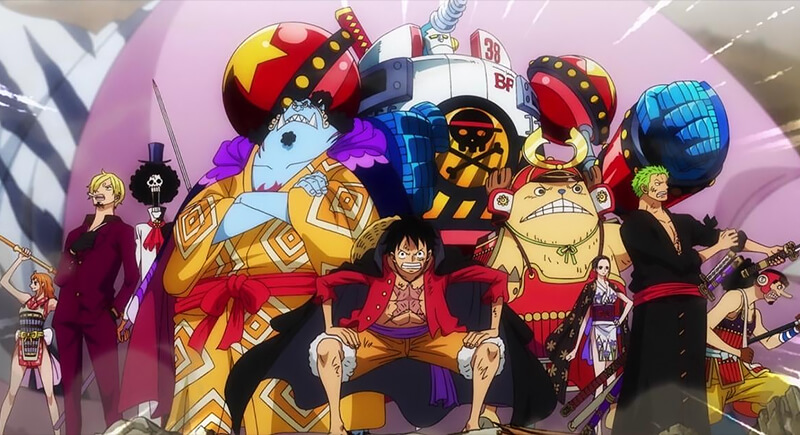
Watching Monkey D. Luffy stretch like rubber sounds like a parody hook, yet One Piece locks that ability into strict rules through Devil Fruits. Those who eat them can’t swim, and the damage still hurts, though creativity matters more than raw power. As the world expands with governments, pirates, and history, the goofy power scales logically, which makes emotional payoffs land even harder over thousands of episodes.
Assassination Classroom
Credit: IMDb
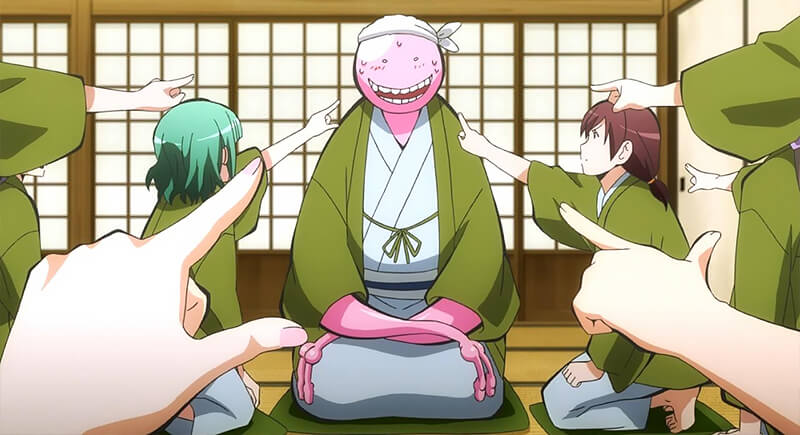
A teacher plans planetary destruction in Assassination Classroom, locking in its rules early. That’s how Koro Sensei works: he sets a deadline and limits his powers while explaining assassination physics. Students improve through measurable progress, with consistent stakes built across semesters and missions.
Dandadan
Credit: IMDb
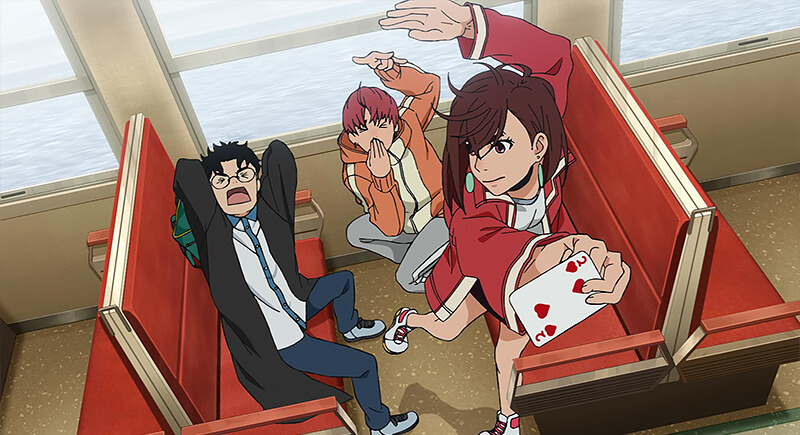
Aliens and ghosts show up immediately, and the story treats disbelief as a mistake with consequences. Okarun panics while Momo fights back, and the rules only stack higher instead of resetting. Each encounter adds complications instead of relief. The comedy lands because the danger stays real, even as the show dives headfirst into urban legends and raw, chaotic energy.
Chainsaw Man
Credit: IMDb
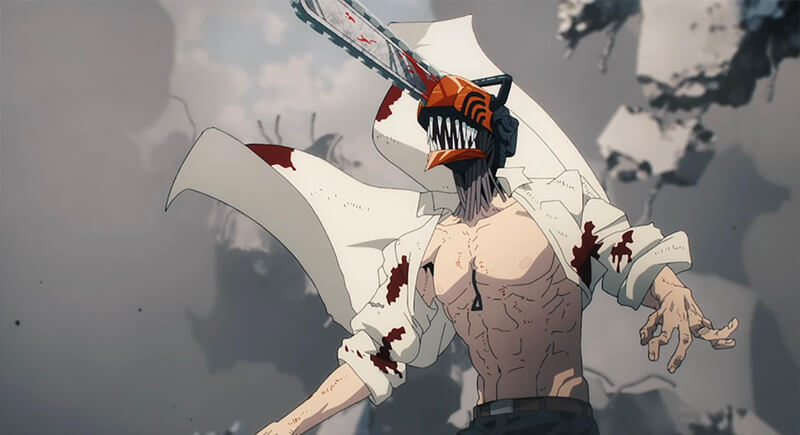
A chainsaw-powered body sounds silly, but Chainsaw Man ties power to debt contracts. Every ability has a cost that affects survival. Denji’s basic wants anchor extreme violence in realism, so fights push character economics forward. This is how one shows that desperation shapes choices within brutal systems governed by devil hierarchies.