Secrets Walmart Employees Are Told to Keep From Customers
Walmart is predictable by design. The lights, layout, and pricing cues all encourage quick decisions and minimal friction. What shoppers often don’t see is how many small internal practices shape the way shelves are organized, how staff respond, and why certain moments can feel confusing from the outside.
Price Tags Quietly Signal a Product’s Fate
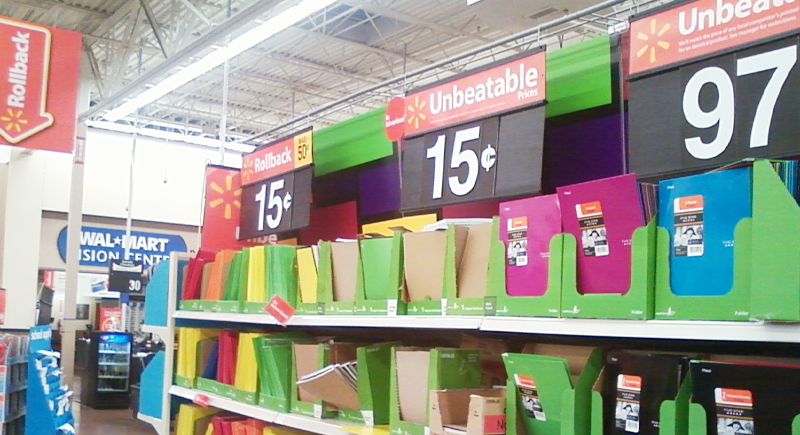
Credit: Wikimedia Commons
Walmart price endings follow an internal code that employees learn early. Items ending in 7 usually indicate regular inventory, while a five signals a markdown phase. Prices ending in 1 mark final clearance, meaning the product will not be restocked. Staff recognize these patterns and often act before shelves empty.
Tuesday Is the Real Clearance Reset Day

Credit: Canva
Clearance updates often begin early in the week, and Tuesday is a typical day when inventory systems refresh and new markdowns appear, particularly in clothing and seasonal departments. While not an official company-wide policy, this pattern is frequent enough that experienced employees and shoppers routinely watch Tuesday mornings for new clearance items.
Price Matching Exists but Comes With Limits
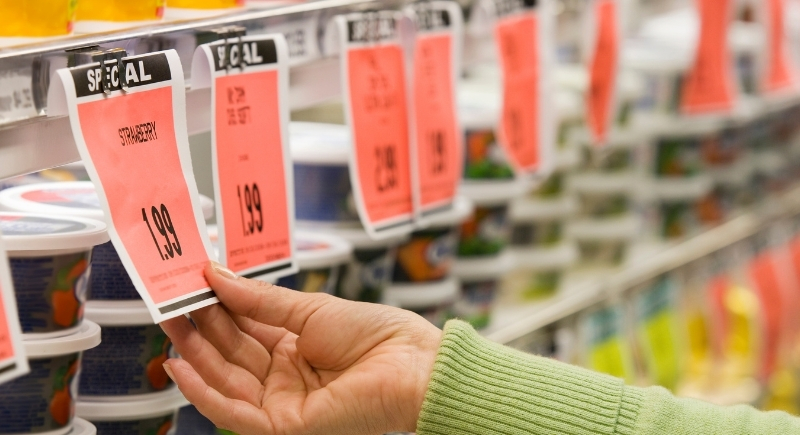
Credit: Getty Images
At the register, price matching often slows down the process. Screens refresh, barcodes are scanned again, and supervisors may intervene. The policy itself is narrow, tied to Walmart.com listings only, but the friction comes from outdated labels and lagging systems.
Great Value Products Often Share Big-Brand Origins

Credit: Wikimedia Commons
The plain white label hides more familiarity than it lets on. Many Great Value items are produced in the same factories as name brands, albeit under different contracts, although formulations may vary. Employees hear it from vendors or notice identical packaging cues. The savings primarily come from branding and marketing differences, rather than lower production standards.
Aggressive Friendliness Is About Loss Prevention

Credit: iStockphoto
In electronics aisles, someone will always ask if help is needed, then ask again a few minutes later. The repetition isn’t accidental. Constant interaction disrupts shoplifting patterns more effectively than cameras alone, and employees learn to maintain presence, even when it risks feeling awkward or excessive.
Employees Do Not Control Staffing Shortages
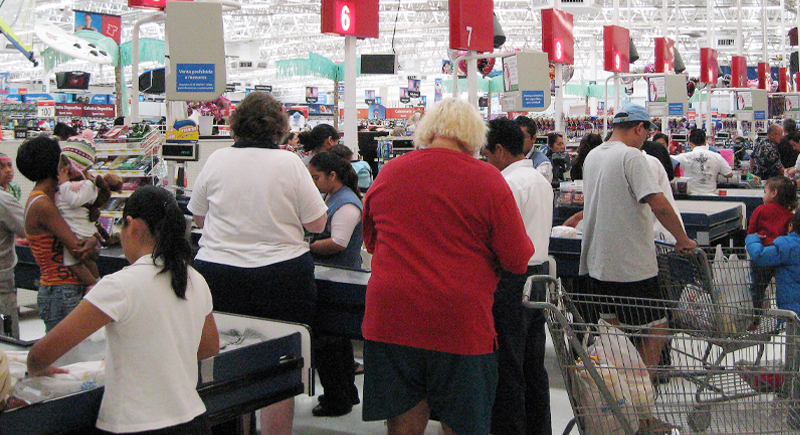
Credit: Wikimedia Commons
When lines stretch halfway to the housewares section, the people scanning items already know. Registers stay closed not because employees are idle, but because automated systems lock in schedules. Associates often bounce between departments mid-shift, while complaints land on the wrong target, even when frustration feels justified.
Bakery Discounts Happen Before Sunrise
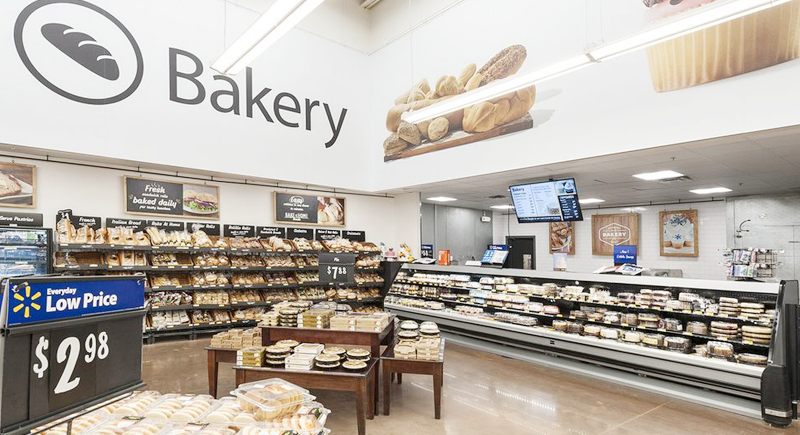
Credit: Yelp
Before most shoppers grab a cart, the bakery has already had its moment. Employees often move fast early in the morning, tagging yesterday’s bread, sliding discounted pastries forward, and clearing space before the rush starts.
Free Samples Exist in Unexpected Places
Credit: Reddit
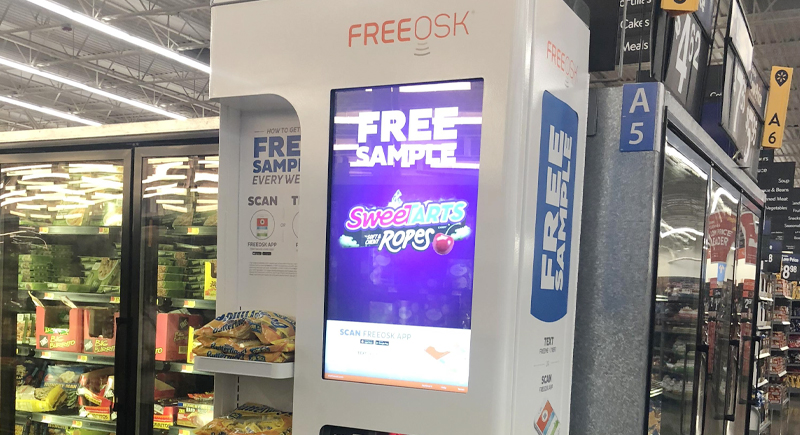
Sometimes the best deal isn’t advertised at all. Freeosk kiosks pop up near grocery aisles, stocked with full-size snacks or drinks tied to short promotions, and employees refill them frequently. Miss them once, and they’re gone.
Online Prices Quietly Influence Store Sales

Credit: Reddit
During slow moments, employees check Walmart.com on their phones for a reason. Online prices update faster than shelf labels, and systems don’t always sync instantly. Associates are aware of which items are lagging behind, and shoppers who check before paying sometimes catch a lower price without waiting for a sign to change.
The $4 Prescription Program Is Bigger Than It Looks
Credit: Yelp
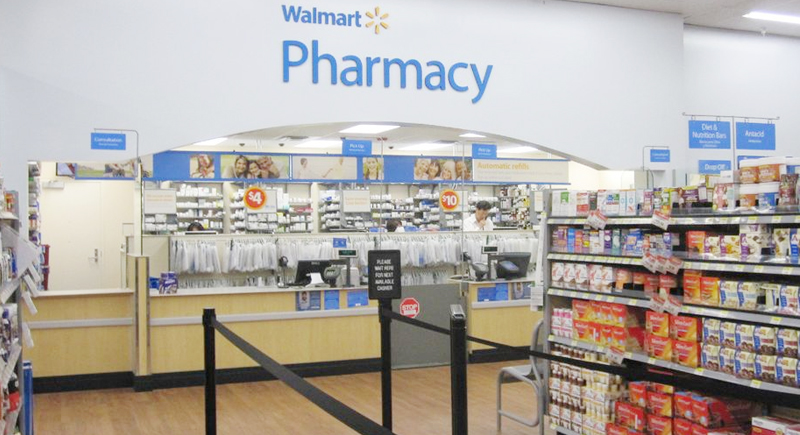
People often walk past the pharmacy sign without stopping. The $4 program looks small, but the list behind the counter is surprisingly long. Employees reference an internal printout that covers dozens of common generics, including antibiotics and blood pressure medications. Pricing stays simple too: $4 for 30 days or $10 for 90.