Viral Snapchat Filters from the 2010s That Defined a Generation
In the 2010s, Snapchat gave everyone a new face. The app launched its lens feature in 2015, and within a year, millions of people were turning themselves into dogs, deer, and flower-crowned goddesses with a single tap. These filters rewired how a whole generation expressed themselves, interacted online, and even spent money. Here are the 10 Snapchat filters that genuinely took over the decade.
The Coachella Flower Crown
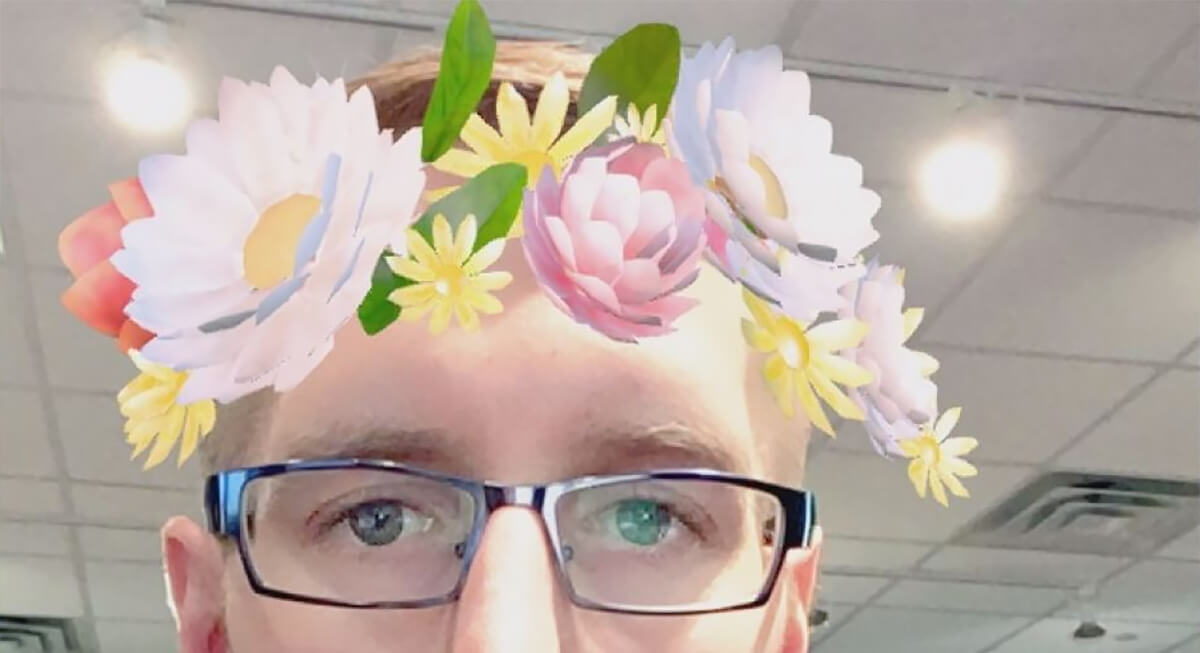
Credit: Snapchat
Snapchat debuted this filter during the first weekend of Coachella in April 2016, and it went viral soon after. The filter featured a wreath of soft petals and became one of the most recognizable selfie aesthetics of that era, used by celebrities and normies alike. Still, some publications reported that it lightened users’ skin tones, which sparked a conversation about the unrealistic standards they promoted.
The Dog Filter
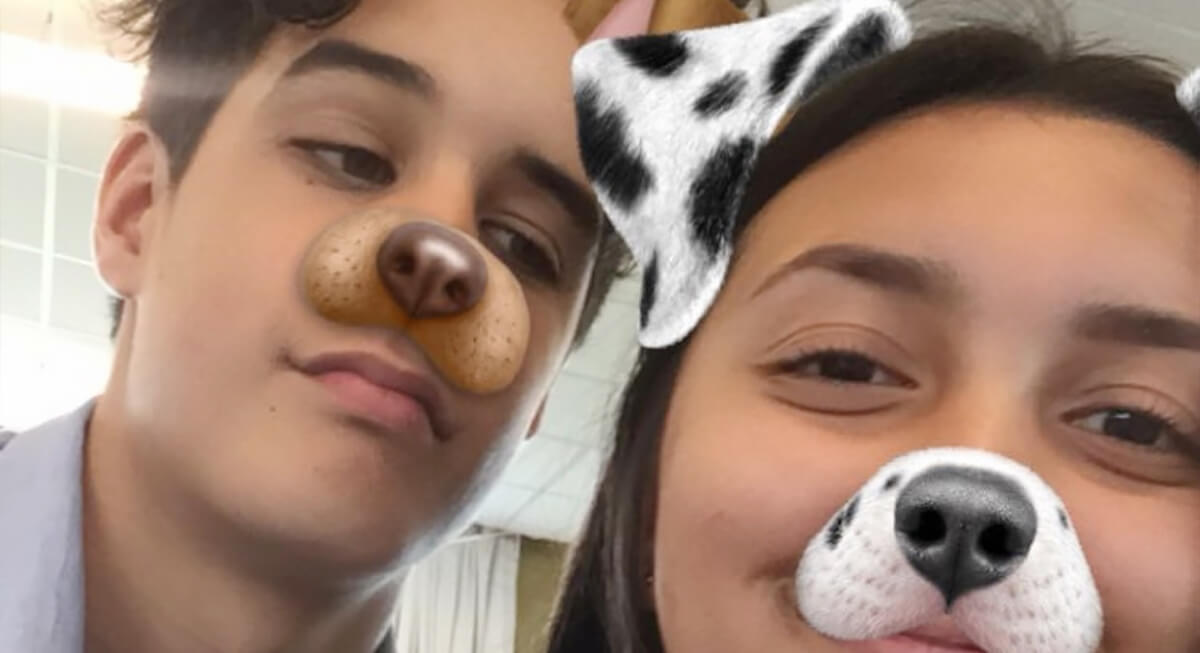
Credit: Snapchat
In 2016, this Snapchat dog filter gave users floppy ears, a wet nose, and a hanging tongue. The filter also became inseparable from Kylie Jenner’s King Kylie era, a period when she used “King Kylie” as her Snapchat username and regularly posted with it. When Snapchat and Kylie Cosmetics partnered in October 2025 to mark the brand’s 10th anniversary, they made the dog filter the centerpiece of the campaign.
The Deer Filter

Credit: Snapchat
Big brown eyes, a tiny nose, and the warm skin effect made this filter a natural fit for fall and winter. It thrived alongside the soft aesthetic that dominated social media throughout the mid-2010s. The deer filter was popular enough that DIY Halloween tutorials for it appeared alongside the dog filter by 2016, with publications like Bustle and Romper publishing dedicated costume guides for both looks.
The Taco Bell Taco Filter
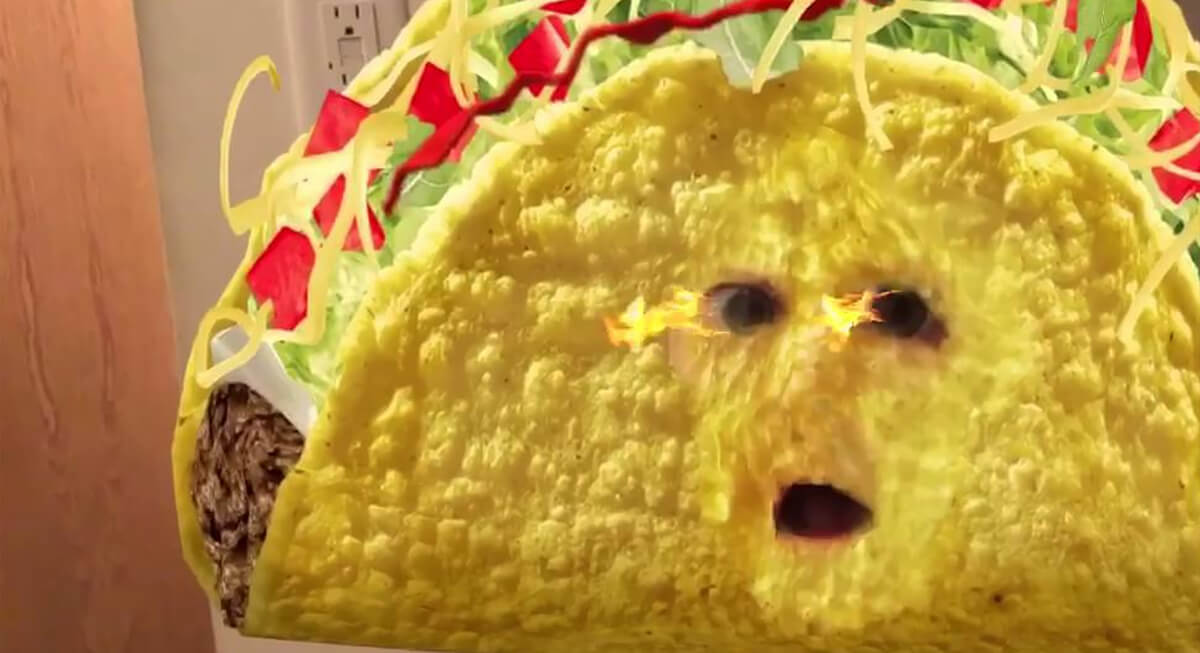
Credit: Snapchat
Taco Bell worked with Snapchat for weeks on this filter. On Cinco de Mayo 2016, it launched a sponsored Snapchat lens that replaced users’ heads with a giant animated crunchy taco shell, complete with sauce and the brand’s bell sound. The lens ran for one day and garnered a record-breaking 224 million views at that time.
The Face Swap
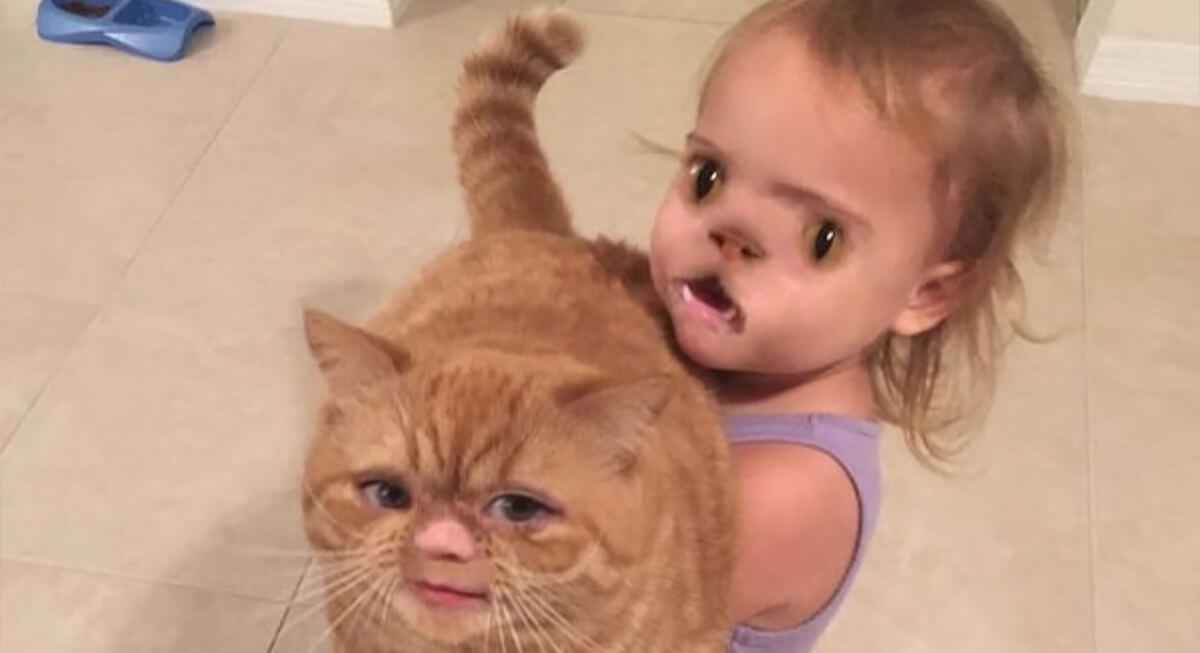
Credit: Snapchat
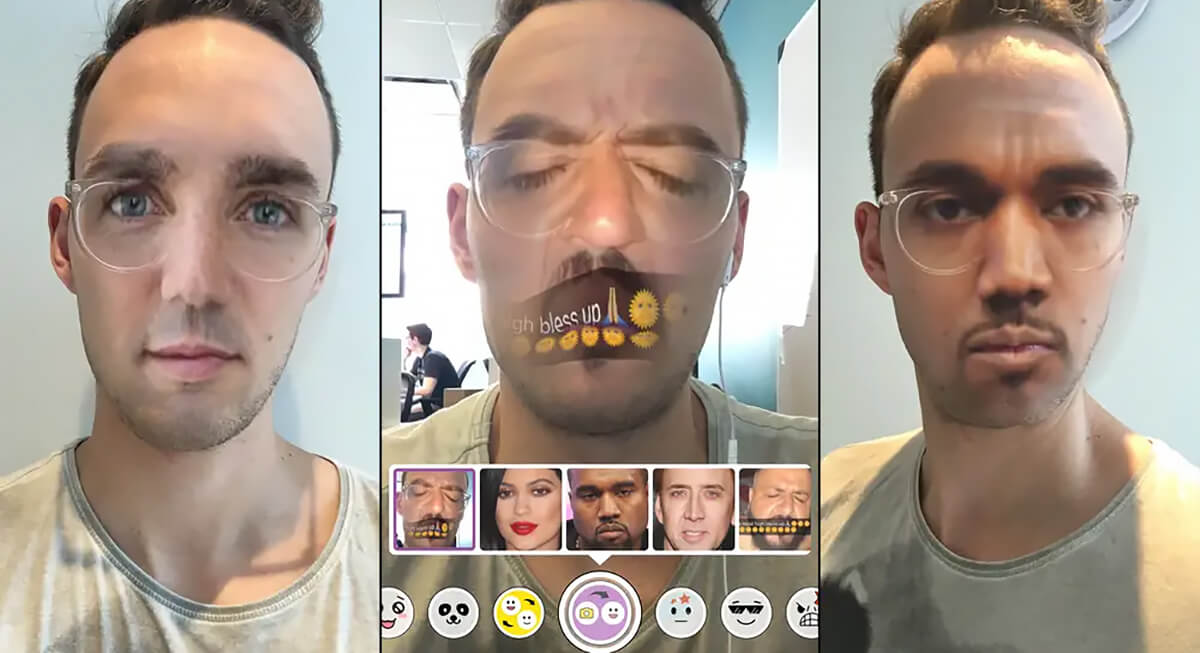
Snapchat’s live face swap launched in February 2016, and the results ranged from mildly hilarious to genuinely unsettling. The feature detected two faces in the same frame and switched them instantly. Social media was filled with several people showing their results.
The Camera Roll Face Swap
Credit: Tech Insider
Instead of swapping faces with people around, this one allowed users to swap faces with faces in other photos saved on their phone. People were swapping faces with saved images, screenshots, and things that looked like faces. This version of the filter had a longer cultural shelf life than the live swap because the source material was limitless.
The Butterfly Crown
Credit: Snapchat
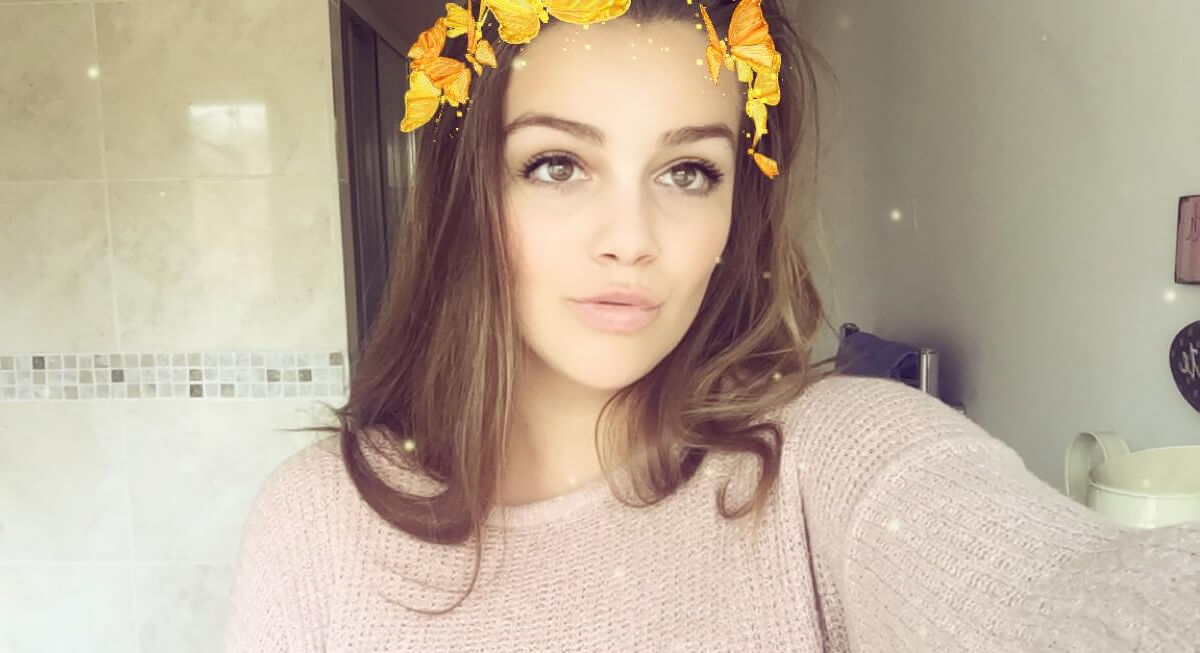
With its colorful butterflies framing the face like a headdress, this crown attracted some users who found the flower crown too understated. The facial manipulation and digital contouring appealed to notable names, including Rita Ora, Adam Lambert, and members of the Kardashian-Jenner family. Even the fashion industry fell in love with “MAC Cosmetics” artists using paints, pigments, and paper cutouts to recreate the filter.
The Bee Filter
Credit: Youtube
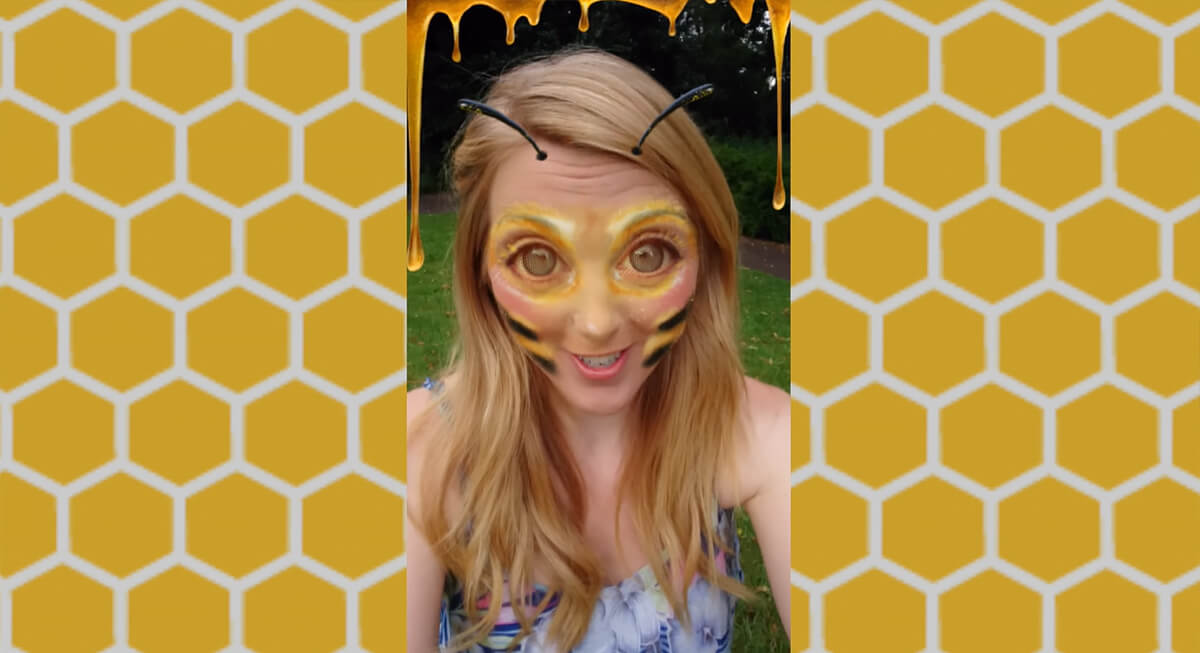
A high-pitched voice changer paired with bee visuals made this filter stand out. The combination of visual and audio transformation was relatively new for Snapchat at the time, and the combo intrigued users. Soon, users would use it to sing, sometimes recording themselves singing with the filter’s high notes.
The Rainbow Puke Filter
Credit: Snapchat
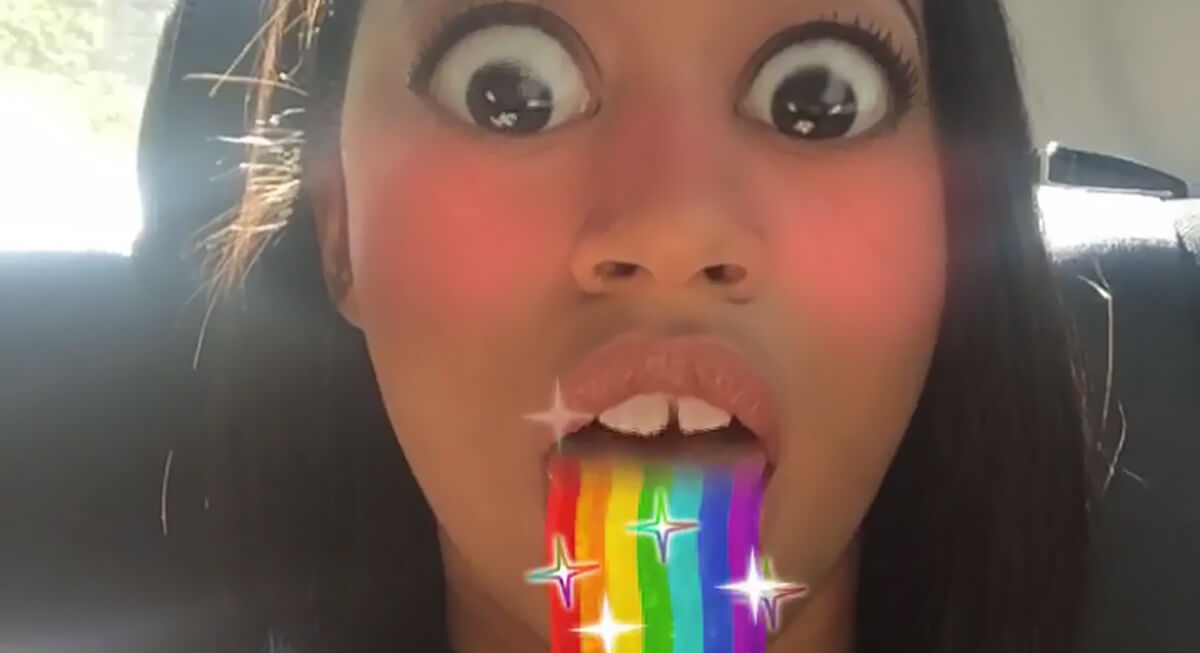
Introduced with Snapchat’s Lenses in September 2015, the Rainbow Puke filter turned an open mouth into a stream of animated color. It looked ridiculous, and users instantly loved it for its silliness. The lens became one of the platform’s earliest signature effects, later returning through Snapchat’s short-lived Lens Store before rotating back into selections.
The Frowny Face

Credit: TikTok
Tech and entertainment writers compared this lens to a Muppet crossed with a Pixar character, which is accurate enough. The filter exaggerated facial features into a dramatic cartoon frown. The willingness to look absurd on purpose was central to Snapchat’s identity during this period and to how that generation used social media broadly.