10 Vintage Kitchen Items From the ’70s That Were in Every Single Home
A typical 1970s kitchen was filled with practical tools designed for everyday cooking and shared meals. Countertops held small appliances, and cabinets stored items used for everything from quick dinners to potlucks. Many of these tools now feel nostalgic, but at the time, they were standard in most homes and shaped how families cooked and gathered.
Electric Can Opener
Credit: Ebay
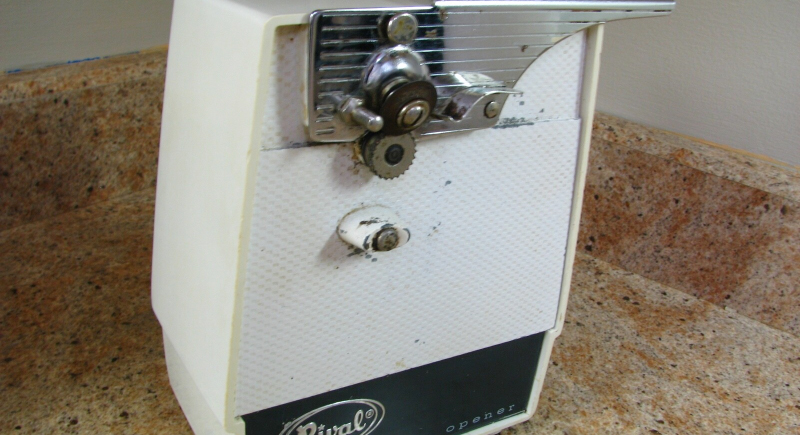
Many 1970s kitchens kept an electric can opener usually near the stove, where canned vegetables or soup got opened for dinner. The machine clamped onto a can and sliced the lid with a steady grinding sound that carried across the room. Its built-in knife sharpener often hid on the back, which made the gadget useful even after dinner prep ended.
Fondue Set
Credit: Reddit
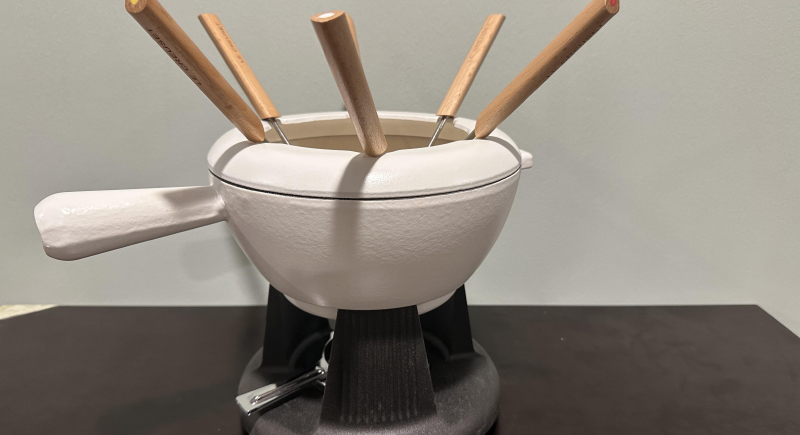
Fondue sets turned ordinary evenings into casual dinner parties during the 1970s. The pot sat over a small burner to keep the melted cheese smooth for dipping bread cubes. Hosts placed long forks around the pot and encouraged guests to gather at the table. Chocolate fondue followed soon after and became a sweet finale at many gatherings.
Pyrex Mixing Bowls
Credit: Reddit
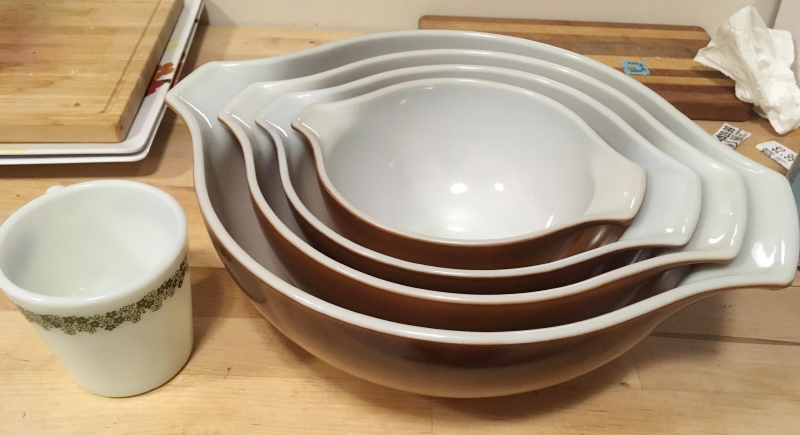
Pyrex began producing heat-resistant glass cookware early in the 20th century. By the 1970s, the bowls appeared in colorful patterns such as Old Orchard and Butterfly Gold. Many households owned nested sets in graduated sizes. The bowls handled everything, and their durability explains why so many still appear at thrift stores today.
Jell-O Mold
Credit: Reddit
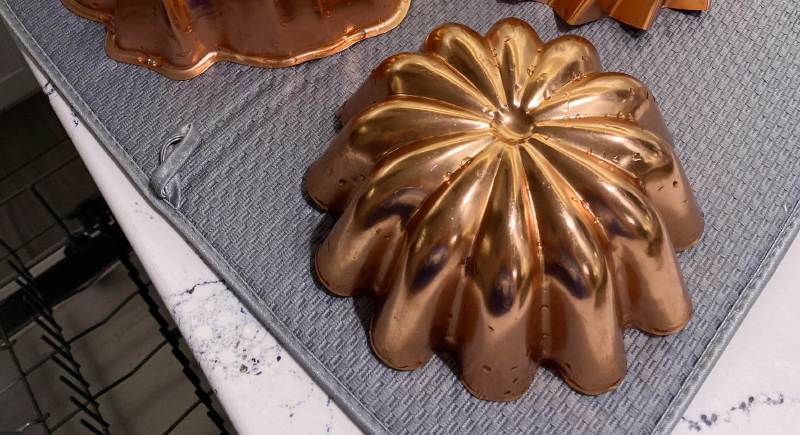
A Jell-O mold allowed cooks to chill flavored gelatin into decorative shapes overnight. The molds came in metal or brightly colored plastic. Fruit pieces or mini marshmallows frequently floated inside the dessert. Recipe booklets from the era also featured savory gelatin dishes with vegetables or seafood, a trend that later faded.
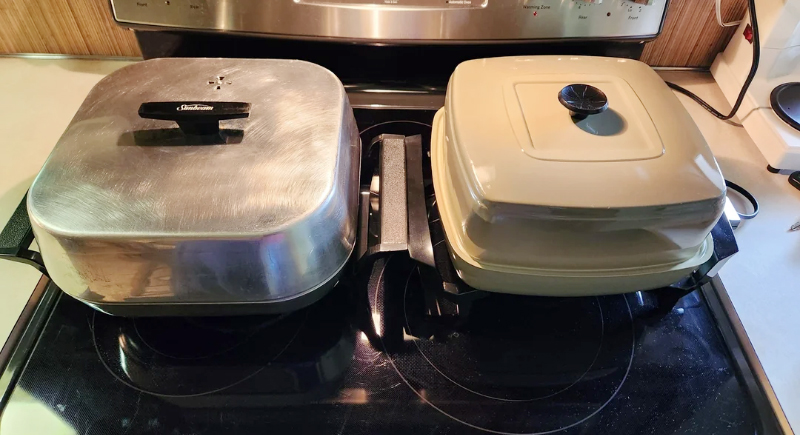
Electric Skillet
Credit: Reddit
The electric skillet earned its reputation as a practical workhorse. Instead of using a stovetop burner, the wide metal pan was heated through a detachable electric cord and temperature dial. Weekend breakfasts were often prepared in these pans, since pancakes and bacon cooked easily on the broad surface. Church potlucks and family gatherings welcomed them, too.
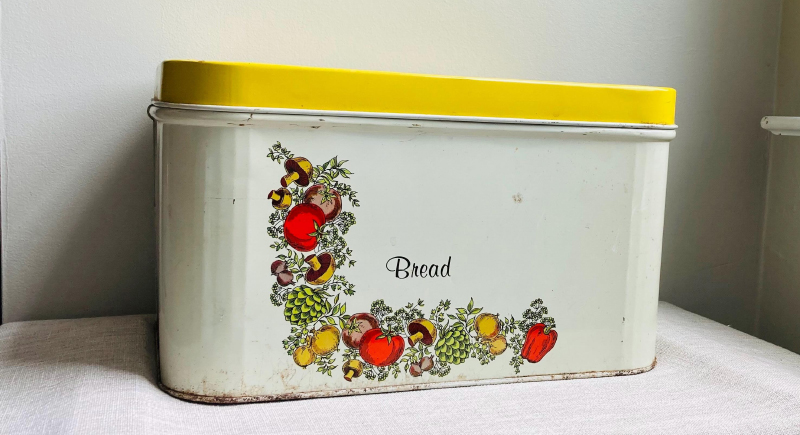
Bread Box
Credit: Reddit
Fresh bread once lived in a bread box rather than a plastic bag. These containers sat against the backsplash or beside the toaster. Their job was to protect loaves from excess air that could dry them out. Wood versions looked traditional, though metal and ceramic designs gained popularity during the 1970s. Many featured a curved roll-top door that slid upward. The arrival of commercial plastic packaging gradually made bread boxes less common.
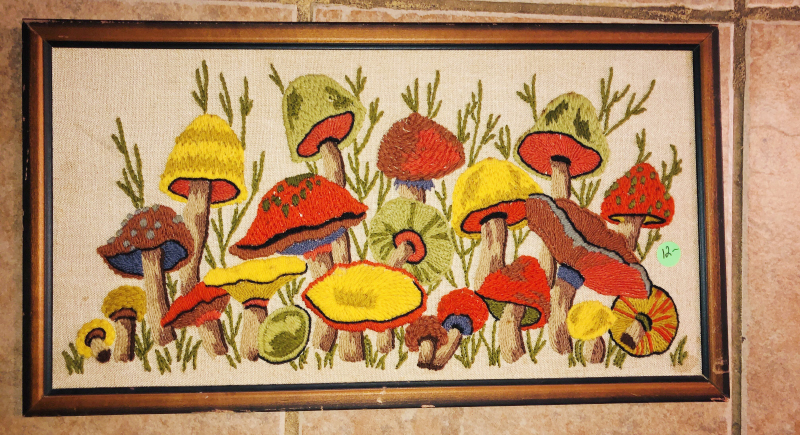
Mushroom Motif Decor
Credit: Reddit
Cheerful mushroom illustrations appeared on canisters, mugs, clocks, and wallpaper borders. Designers linked the motif to the era’s interest in nature-themed decor. Warm tones such as orange, mustard, and brown appeared in many versions. These playful patterns later disappeared when simpler kitchen styles gained popularity.
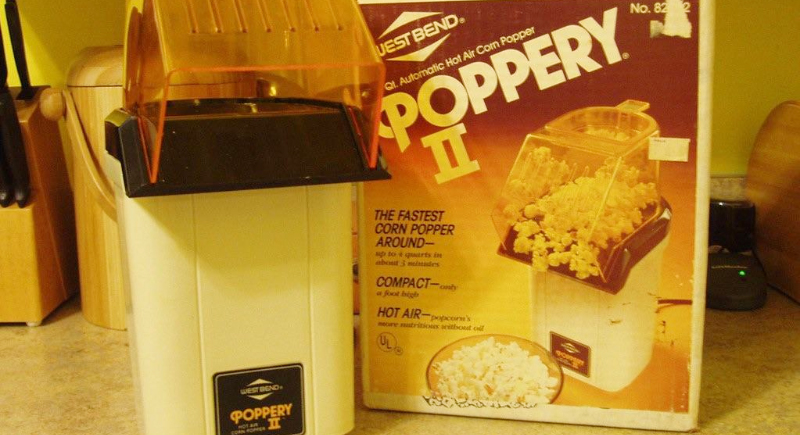
Hot Air Popcorn Popper
Credit: Reddit
This appliance used circulating hot air instead of oil to pop kernels. The approach gained attention as a lighter snack option. Popular brands such as Presto marketed the machines with futuristic shapes and clear plastic chutes. Families often gathered around during movie nights as popcorn spilled into a waiting bowl.
Tupperware Storage Containers
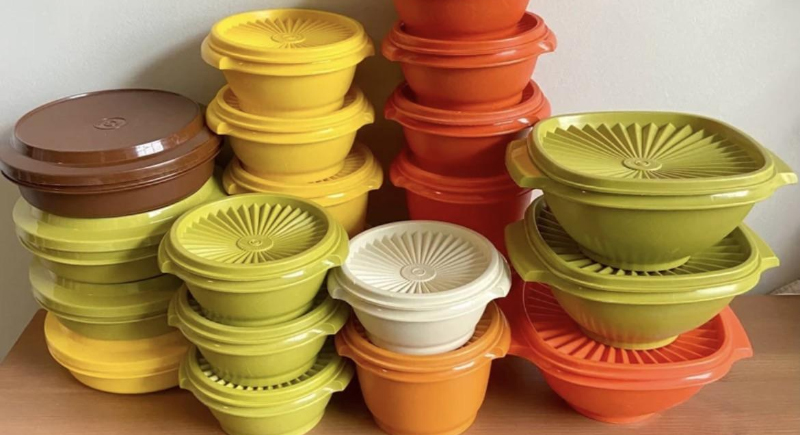
Credit: Reddit
Tupperware containers filled cupboards across American kitchens throughout the decade. The plastic bowls featured tight-sealing lids that kept leftovers fresh longer than many earlier storage options. Tupperware parties became social gatherings where neighbors demonstrated new products. Their bright colors also made the containers easy to spot in a crowded refrigerator.
Macrame Plant Hangers
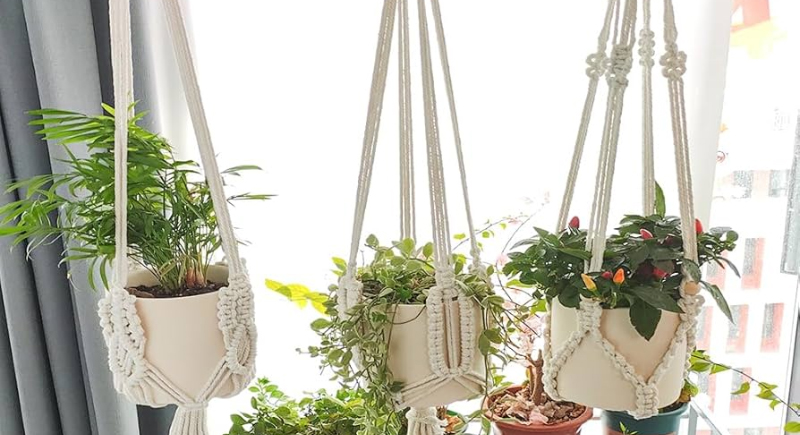
Credit: Amazon
Macrame plant hangers often appeared near sunny kitchen windows in the 1970s. The decorative holders used a knotted cotton cord to suspend small pots from ceiling hooks. Home craft books taught simple knot patterns such as the square knot and clove hitch. The handmade look suited the natural materials popular in home design during that decade.