Facts That Are Completely Useless but Still Interesting
Most facts exist to teach, explain, or solve something. These do none of that. They will not help you make better decisions, impress anyone, or remember what day it is. They are simply odd, pointless, and unexpectedly fun. The only thing they offer is a quick pause in your scrolling when you think, “Why do I know this now?” Honestly, that is reason enough.
The Word for Pocket Lint Exists, Apparently
Credit: Wikimedia Commons
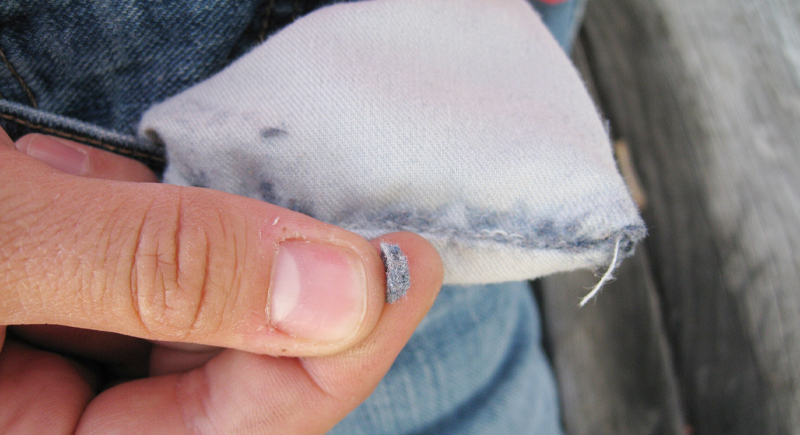
There is an actual word for the fuzz and crumbs that sit at the bottom of your pocket. It is called gnurr. The term dates back to at least the 1930s, even though it never became common in everyday speech. Today, it mostly appears in old slang records and language archives, where it names something familiar that almost no one bothers to label.
A Chicken Once Lived Without a Head
Credit: iStockphoto
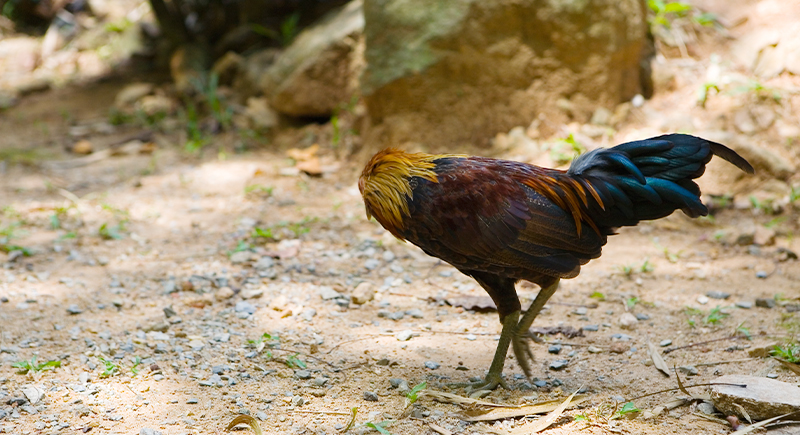
In 1945, a farmer in Colorado tried to slaughter a chicken named Mike and missed just enough to change the outcome. The cut left Mike without a head but spared his brainstem, which allowed his body to keep functioning. With careful feeding through a dropper, he lived for another 18 months. Mike later appeared at sideshows under the name “The Headless Wonder Chicken,” baffling audiences wherever he went.
Comets Smell Like Rotten Eggs and Almonds

Credit: Getty Images
When the Rosetta spacecraft studied comet 67P in 2014, its sensors detected gases escaping from the surface. The chemical mix included hydrogen sulfide, ammonia, and formaldehyde. That combination would smell like rotten eggs, urine, and bitter almonds. NASA later joked that a comet would make the worst air freshener imaginable.
Chainsaws Were Invented for Childbirth
Credit: Getty Images
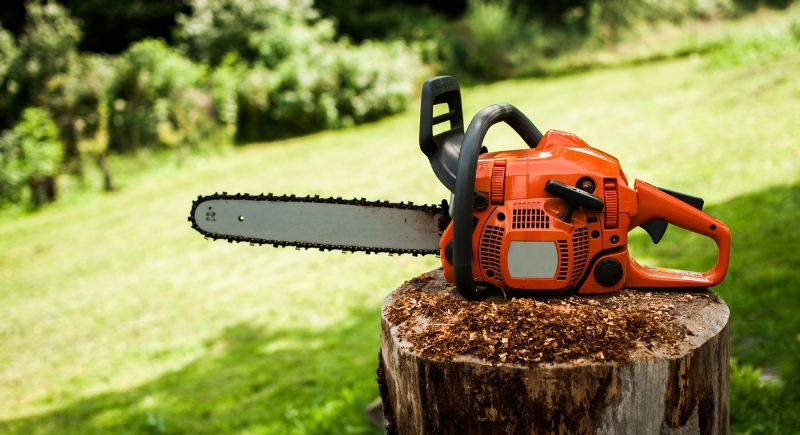
Long before they were used to cut down trees, chainsaws were medical tools. In the late 1700s, Scottish doctors used them during a procedure called symphysiotomy, which involved widening the pelvis during difficult childbirth. They looked more like hand-cranked saws than modern versions, but the mechanics were the same.
Octopuses Have Arms, Not Tentacles
Credit: Getty Images
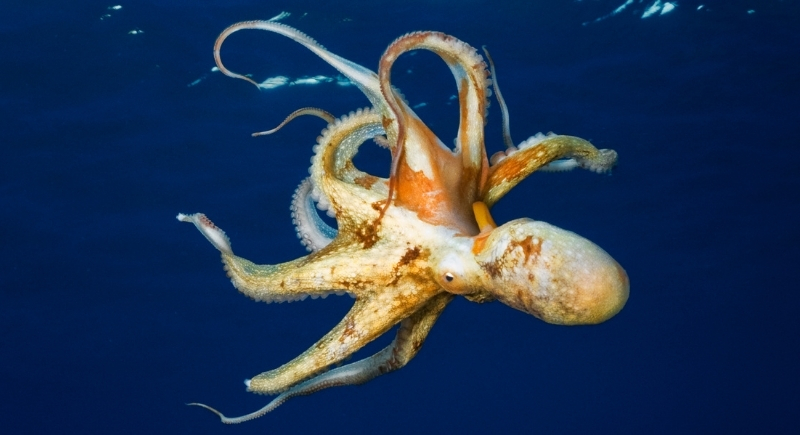
Tentacles and arms aren’t interchangeable. Octopuses have eight limbs, but none of them qualify as true tentacles. Technically, tentacles have suckers only at the tips, like those of squids. Octopus limbs have suckers all the way down, so scientists classify them as arms. It doesn’t change much, but it does mean octopus plush toys have been mislabeled for years.
The Fear of Long Words Has the Longest Name

Credit: Getty Images
Hippopotomonstrosesquippedaliophobia is the term for being afraid of long words. It’s an obvious joke at the sufferer’s expense, though psychologists tend to use “sesquipedalophobia” instead. The word surfaced in the early 2000s and gained traction online, though it’s not recognized in clinical diagnosis manuals.
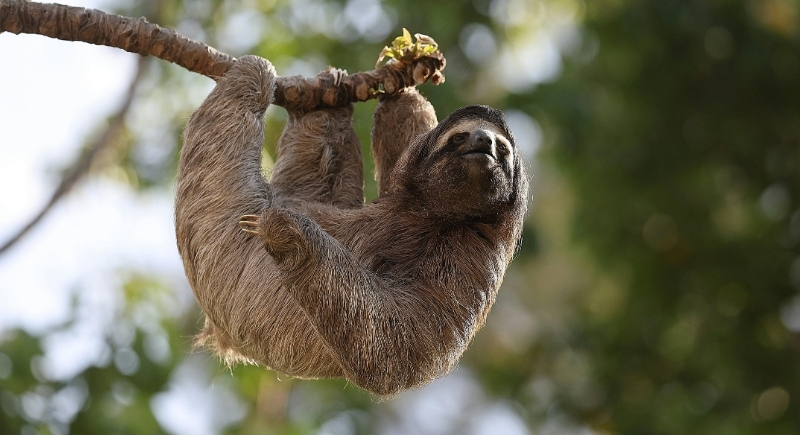
Sloths Can Hold Their Breath Longer Than Dolphins
Credit: pexels
When a sloth goes underwater, its heart rate drops sharply, which lets it hold its breath for as long as 40 minutes. Dolphins usually manage closer to 10. Sloths move slowly on land, but water suits them better than most people expect. Their low metabolism helps them stay relaxed, conserve oxygen, and swim steadily while avoiding predators.
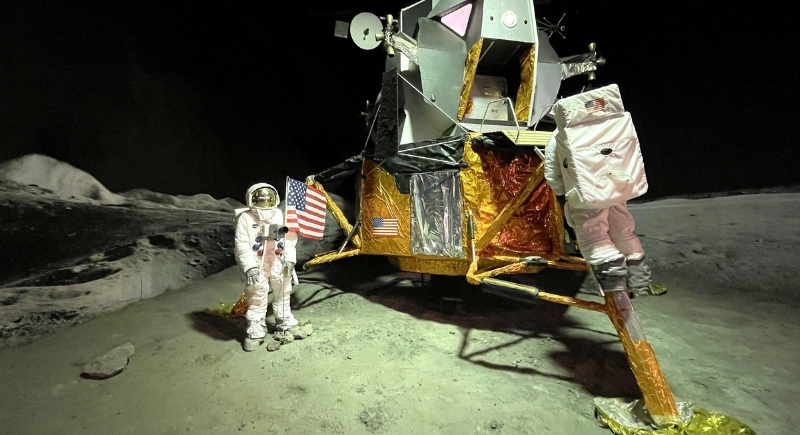
NASA Faked Part of the Moon Landing—Sort Of
Credit: Canva
The footage of astronauts being quarantined after the Apollo 11 mission wasn’t as serious as it looked. NASA filmed it partly to ease public concern about “moon germs,” even though scientists were fairly certain there wasn’t a threat. The trailer they stayed in was real, but the ritual was more public theater than medical necessity.
You Can’t Fold a Piece of Paper More Than Eight Times

Credit: pexels
Even with a large sheet, paper hits a limit quickly. Each fold doubles the thickness, which makes the sheet harder to bend and smaller to handle. That rapid buildup is the main obstacle. In 2002, a high school student in California managed 12 folds using a massive roll of toilet paper. With a normal sheet, eight stays the practical ceiling, no matter how determined you are.
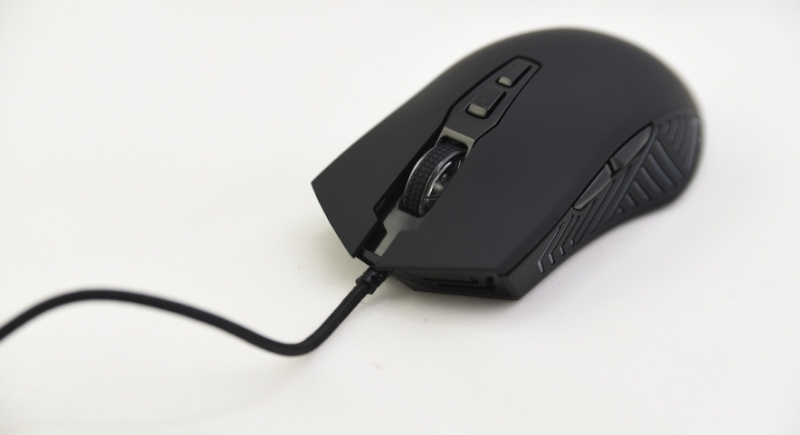
The Computer Mouse Was Almost Called a Turtle
Credit: pixabay
In its early development stages, the computer mouse wasn’t known for clicking. Engineers in the 1960s toyed with the name “turtle” because of the original shape—a shell-like top and a ball underneath. Eventually, the name “mouse” stuck because the cord resembled a tail.