10 Ways to Make Cheap Wine Taste Expensive
Making an inexpensive bottle taste better is easier than most people think. Budget wines often get written off for the wrong reasons. Many just need air, better temperature control, or a small adjustment in how they’re served. With a few simple tweaks, a $10 bottle can pour like something far more polished. You don’t need expert knowledge or special equipment. These practical tricks are enough to make even a cheap wine feel deliberate and guest-ready.
Let It Breathe
Credit: Getty Images
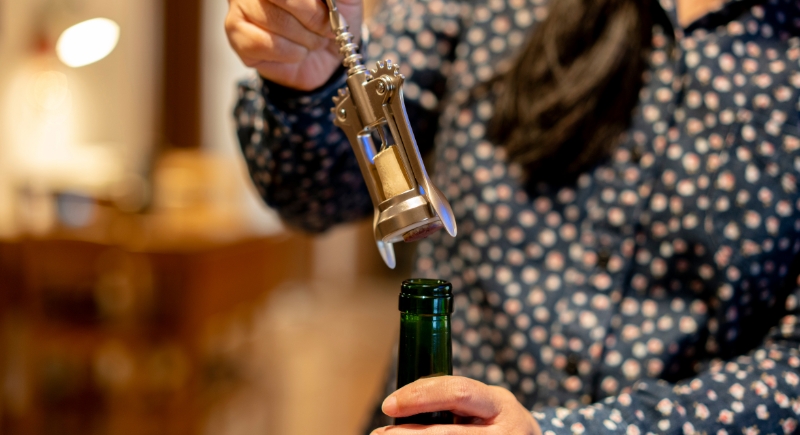
Open the bottle and don’t rush it. Pour a glass, leave it alone for 15 to 30 minutes, then taste again. That short pause can soften the rough edges and bring out more aroma, especially in young reds. If the wine smelled muted, it may develop a fruitier scent after sitting for a while.
Decant Without Overthinking It
Credit: pixelshot
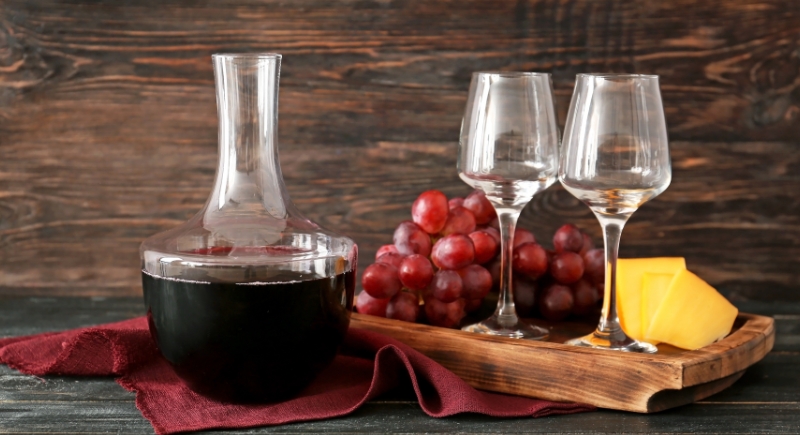
Decanting works because it gives the wine more contact with oxygen. That exposure can soften bitterness and help tight flavors open up. There is no need for anything elaborate. A simple decanter does the job, and a wide glass pitcher works just as well. Pour the wine in, let it sit briefly, then serve. The difference is often immediate and noticeable.
Hack The Pour With An Aerator
Credit: pixelshot
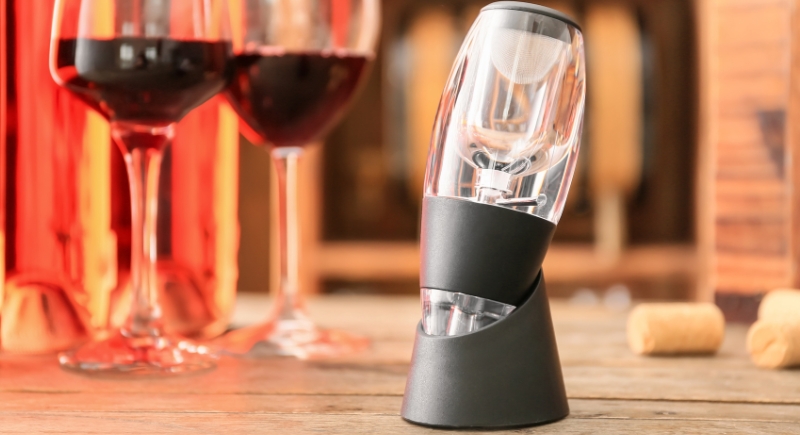
An aerator offers the fastest fix when time is limited. It attaches to the bottle or sits in the pour stream and pulls air into the wine as it flows. This process softens tannins, lifts aroma, and reduces sharpness. There is no setup beyond placing it in position. You pour, and the effect is immediate. Budget wine benefits most when it tastes tight or harsh.
Make Temperature Do The Heavy Lifting
Credit: pexels
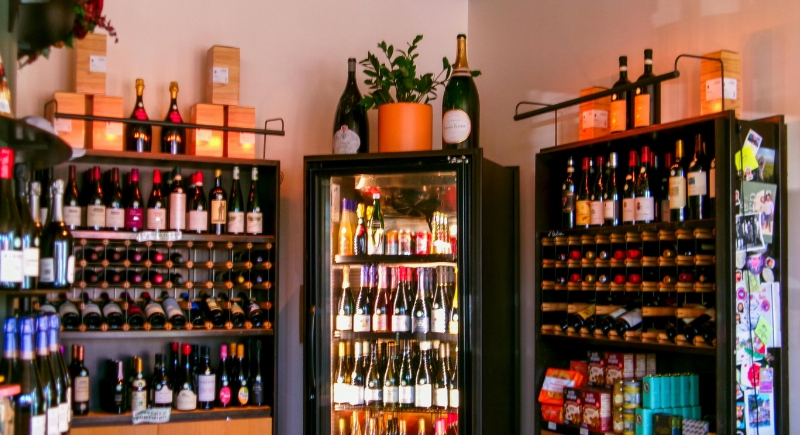
A lot of “bad” wine is just good wine served wrong. Reds taste better slightly cool, around 60–68°F, and whites usually shine around 45–55°F. If a red feels hot and rough, put it in the fridge for a few minutes. If a white tastes dull, let it warm for a few minutes.
Upgrade The Glass, Not The Bottle
Credit: pixelshot
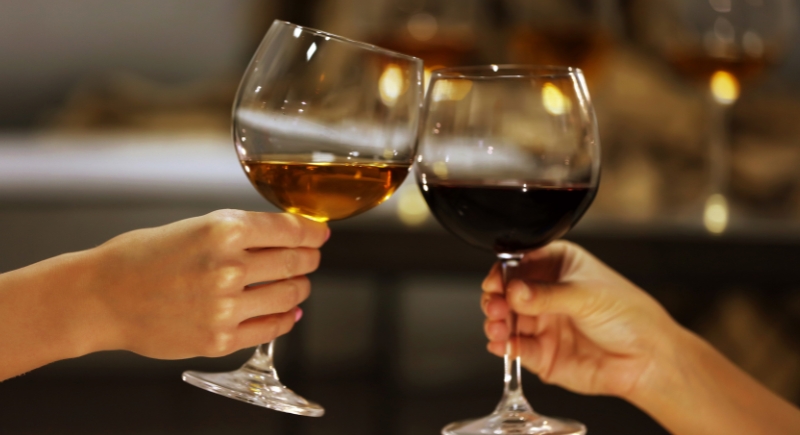
Better glassware improves airflow management significantly. A wider bowl gives reds space to release aromas when you swirl, while a narrower white-wine glass helps keep things cool and focused. Thin rims also make sips feel cleaner. There’s no need to buy a full sommelier set, as a couple of decent shapes will do. Skip tiny tumblers and oversized mugs. The goal is cleaner sips and a stronger smell.
Freeze Grapes Like A Genius
Credit: Getty Images
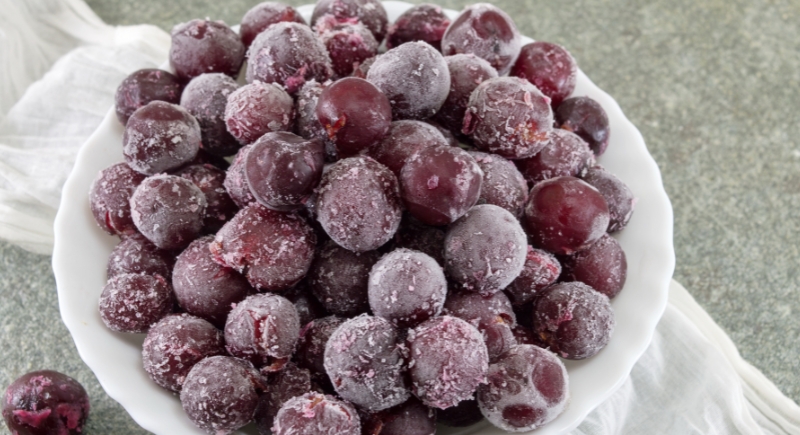
Warm wine is annoying, but ice cubes are worse because they dilute the wine. Frozen grapes solve both problems. Drop a few into a glass of white or rosé to chill it fast without watering it down. They also look intentional, like a garnish at a nice bar. The grapes thaw slowly while keeping the wine cold longer. Eat them afterward like a tipsy snack.
The Pinch-Of-Salt Rescue Move
Credit: Getty Images
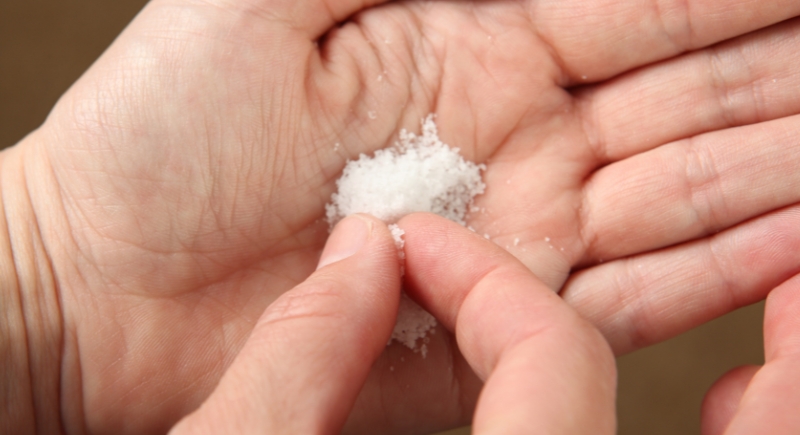
This one feels suspicious until it works. A tiny pinch of salt can reduce bitterness and make fruit notes seem stronger. Start with the smallest sprinkle, stir, taste. Stop early. It’s best for wines that feel too sharp or overly tannic. This is not a routine step but an emergency fix for a bottle that tastes like it’s picking a fight.
Turn It Into A Spritzer
Credit: pexels
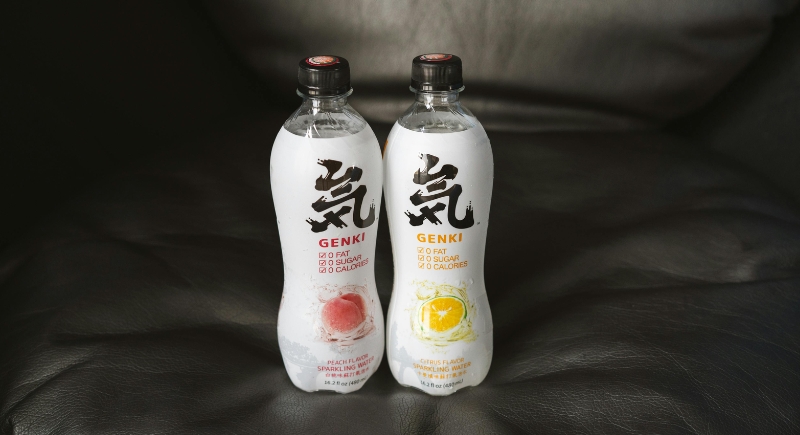
If a cheap white tastes dull, add bubbles. A splash of sparkling water turns it into a spritzer that feels bright and refreshing. The fizz also masks minor off-notes and makes the aroma seem livelier. Keep the ratio modest so it still tastes like wine, not soda. Serve in a chilled glass with a strip of lemon peel. Suddenly it’s brunch-worthy, patio-ready, and guest-approved for hangouts.
Blend For Speed, Not Chaos
Credit: Youtube
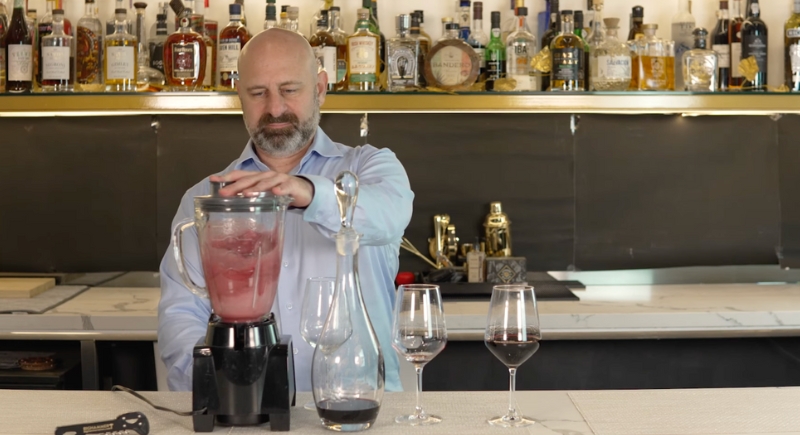
A blender can aerate wine quickly when time is limited. Mechanical aeration pushes oxygen through the liquid, which softens tannins and opens aromas. Pour one or two glasses into the blender, pulse for 20 to 30 seconds, then let the foam settle before serving. The method looks unconventional, but the results are effective. It works best for rushed hosting or bottles that need fast improvement.
Use Food As A Flavor Filter
Credit: Getty Images
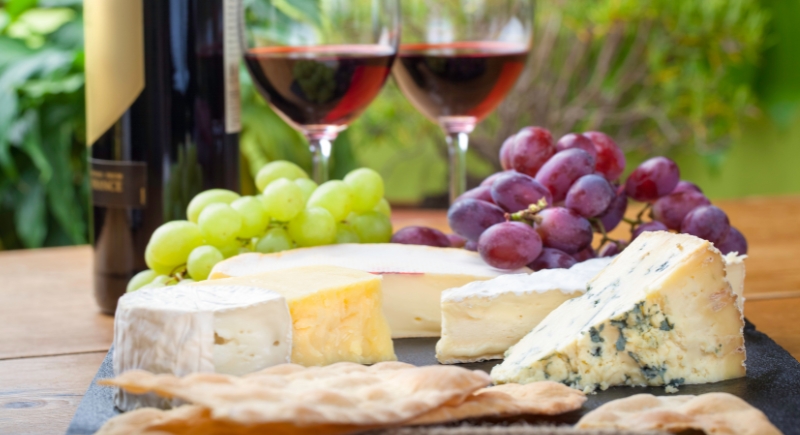
Pairing wine with the right food can change how it tastes. Salt and fat soften rough tannins, which helps inexpensive reds work better with cheese, burgers, or pepperoni pizza. Crisp whites feel brighter with acidic foods such as vinaigrette salads, shrimp, or citrusy salsa. Pairing does not fix every flaw, but it shifts what your tongue notices first. The bottle starts to feel more intentional.