10 Unsolved Mysteries of the Ocean
Despite satellites and submersibles, most of the ocean is still a question mark. Scientists have theories, but plenty of things under the sea just don’t add up. Strange noises and puzzling structures keep turning up without clear explanations. Here are 10 mysteries that continue to baffle even the experts.
The Purple Orb That Stumped Scientists
Credit: Youtube
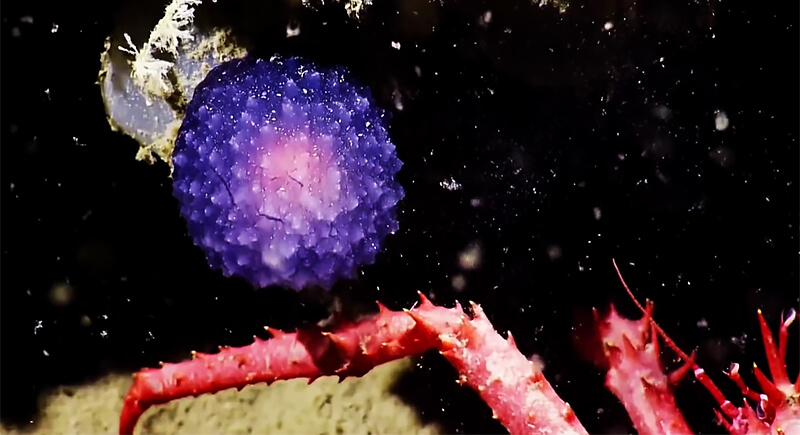
In 2016, researchers aboard the E/V Nautilus spotted a shiny, jelly-like orb sitting on the ocean floor off California. It was smooth and didn’t look like anything they’d seen before. The team jokingly called it Blobus purpilis. A crab tried to snatch it before they could collect a sample.
Orcas vs. Great White Sharks
Credit: Wikimedia Commons
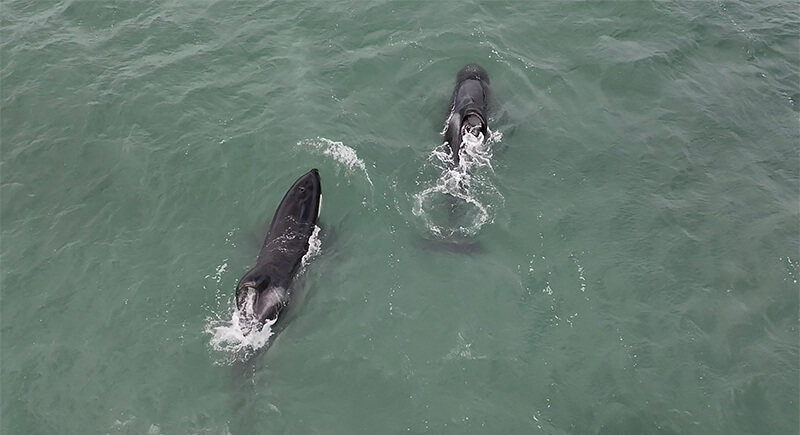
Along the coast of South Africa, great white sharks have been vanishing. When carcasses wash ashore, the livers are missing—neatly removed. Scientists believe two male orcas, nicknamed Port and Starboard, are behind it. The orcas use surprising precision, flipping sharks to paralyze them and extracting just the liver.
The Bloop That Sounded Too Big
Credit: Wikimedia Commons
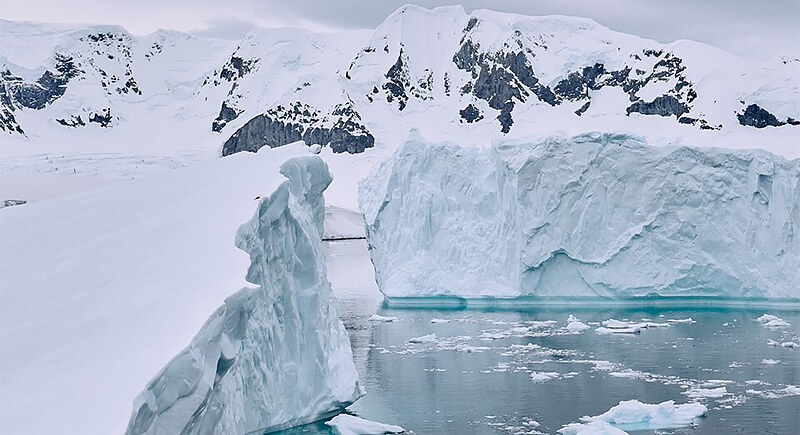
One of the loudest underwater sounds ever recorded came from somewhere in the South Pacific in 1997. Nicknamed “The Bloop,” it sparked wild ideas about sea monsters. Years later, scientists suggested it came from icebergs cracking. The theory makes sense, but not everyone’s convinced the mystery’s been settled.
Bioluminescence That Glows for Miles
Credit: Wikimedia Commons
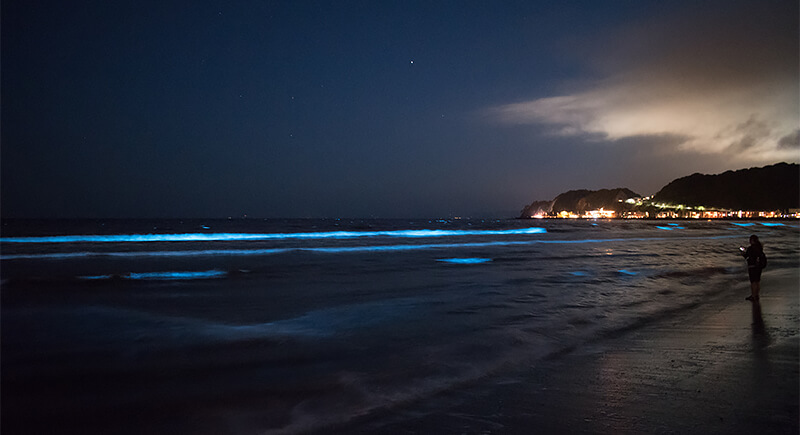
At night, some sailors have reported entire sections of the ocean glowing pale blue, as if lit from below. These “milky seas” can stretch for hundreds of miles and last for hours. A satellite finally confirmed one in 2006. Scientists believe the glow comes from bacteria, but how they manage to coordinate in such massive swarms remains unclear.
The Unmapped Ocean Floor
Credit: pexels
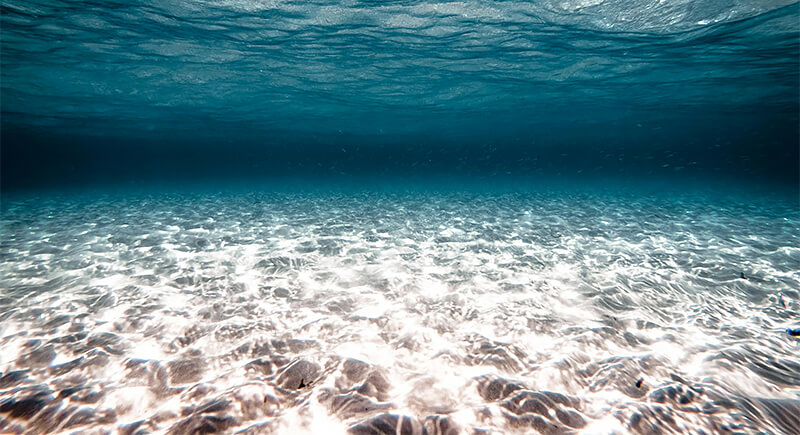
Less than 30% of the ocean floor has been mapped in detail. For the rest, scientists use low-res satellite data to sketch out general shapes, but smaller features remain invisible. Seamounts, canyons, and even shipwrecks go unnoticed. A global project called Seabed 2030 is trying to fix that, but there’s a long way to go.
The Jellyfish That Rewinds Aging
Credit: Wikimedia Commons
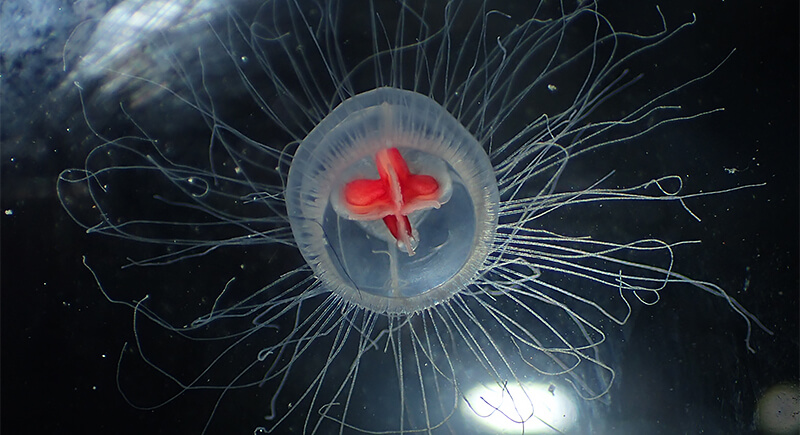
Turritopsis dohrnii is a jellyfish that can reset its life cycle. When injured or stressed, it transforms back into its polyp stage and starts over. The process isn’t fully understood, and no one’s sure how often it happens in the wild. It doesn’t technically live forever, but it’s doing something science still can’t explain.
An Underwater Waterfall
Credit: Wikimedia Commons
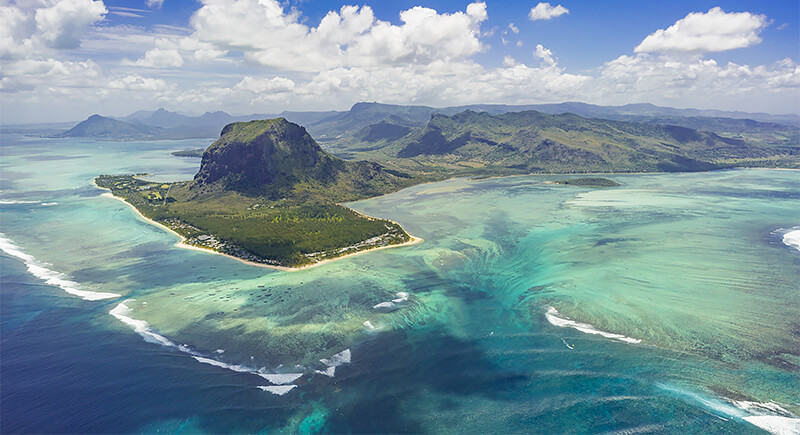
Between Greenland and Iceland, a massive underwater waterfall exists, but you’d never see it from the surface. Cold, dense water spills over a drop-off in the Denmark Strait and plunges over two miles down. Scientists know it’s driven by temperature differences, but there’s still much to learn about how it affects ocean circulation and climate.
The Yonaguni Monument Debate
Credit: Wikimedia Commons
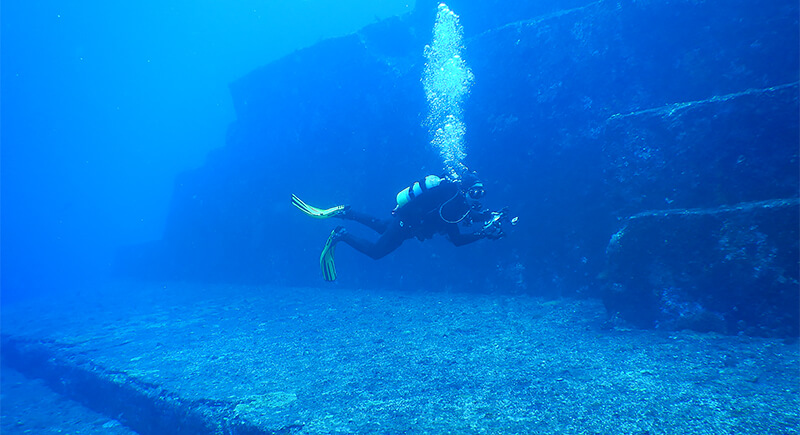
Off Japan’s Ryukyu Islands, divers discovered what looks like a massive stone staircase rising from the seabed. Some think it’s a submerged temple or ancient city. Others argue it’s just naturally eroded rock. The “Yonaguni Monument” has steps, flat terraces, and what look like carvings—but there’s no consensus.
The Disappearing Plastic Problem
Credit: Wikimedia Commons
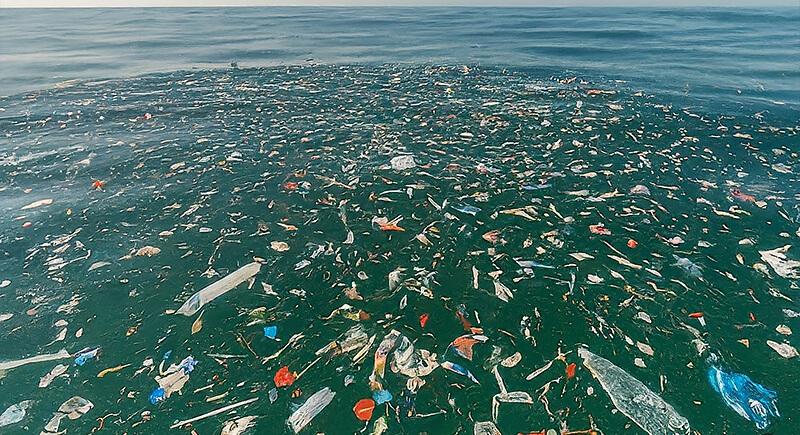
Each year, millions of tons of plastic are dumped into the ocean, but only a tiny percentage floats on the surface. So where’s the rest? Scientists are finding it in fish guts, Arctic ice, and deep-sea trenches. The bulk seems to break into microplastics, but we’re still tracking down the full impact.
The Great White That Got Eaten
Credit: Wikimedia Commons
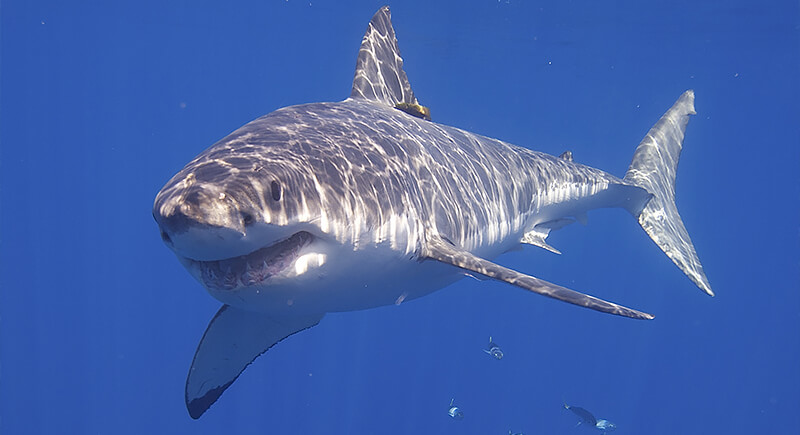
In 2003, a 9-foot-long great white shark was tagged for research. A few months later, the tracker washed ashore. The data showed a sudden plunge of 1,900 feet down and a rapid temperature increase, suggesting the shark was eaten. But by what? Some suspect a larger shark. Others think it could’ve been a deep-diving predator not yet identified.