Best Television Intros That Viewers Never Skip
TV show intros used to be something to fast-forward through or ignore entirely. But a handful broke that mold by becoming part of the storytelling itself. These catchy intros establish tone, foreshadow character arcs, and in some cases, evolve alongside the series.
Viewers don’t skip them because skipping would mean missing something.
Stranger Things
Credit: IMDb
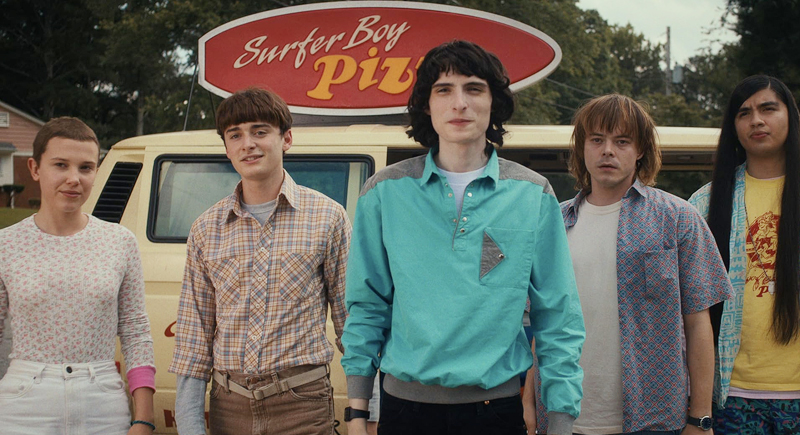
The Stranger Things title appears as glowing red fragments that come together to spell the name. It uses the ITC Benguiat font, a style seen on many 1980s horror novels. The music, composed by Kyle Dixon and Michael Stein, uses analog synthesizers. Though small updates were made each season, the theme stayed mostly the same.
Game of Thrones
Credit: IMDb
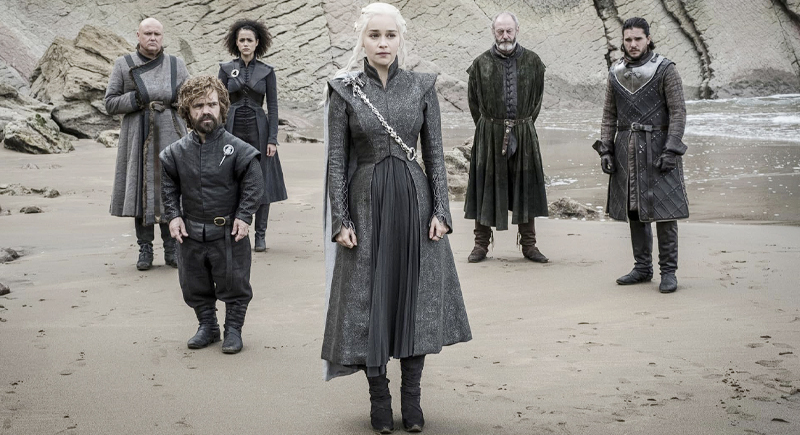
A rotating mechanical map displays cities and terrain relevant to each episode. The animation reflects the political layout of Westeros, and the updates helped viewers track storylines across multiple locations. Ramin Djawadi’s orchestral theme became one of the most-streamed television compositions of its era.
Dexter
Credit: IMDb
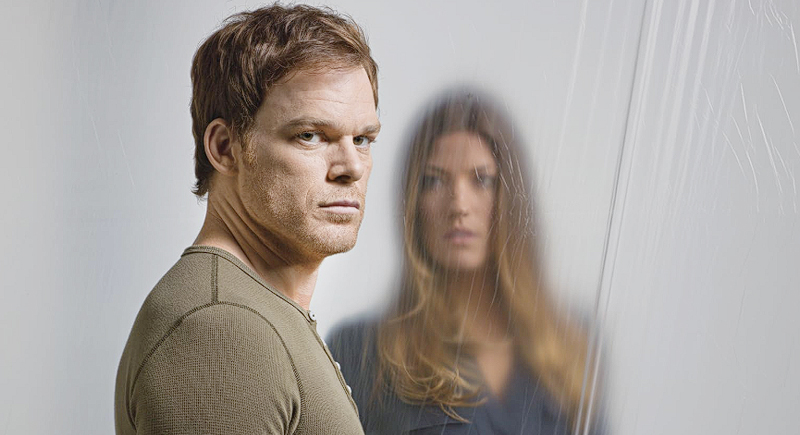
Every part of Dexter’s morning—floss, eggs, shoelaces—is shot like crime scene evidence. The tension lies in the details, which are filmed to feel clinical and too precise. This sequence did evolve, and for good reason. But every element that remained the same distills the show’s tone in 90 seconds.
Succession
Credit: IMDb
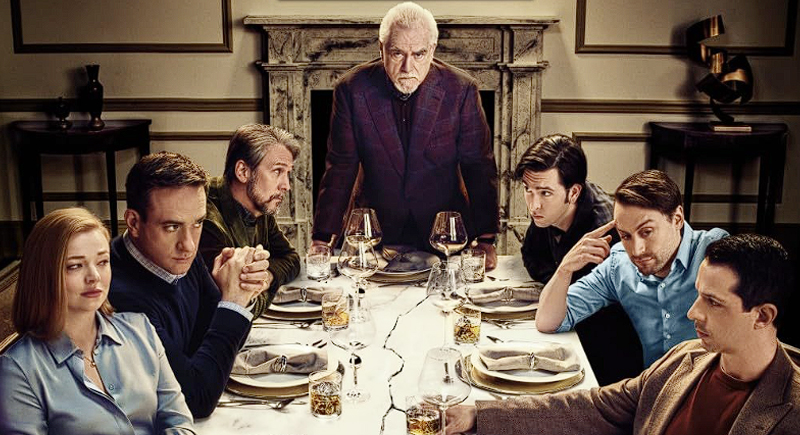
Footage resembling old home videos appears alongside images of modern media operations. The contrast between personal history and corporate influence supports the show’s portrait of the Roy family. Composer Nicholas Britell constructed the score using layered piano figures and sharp string accents, a style he continued to develop across all four seasons.
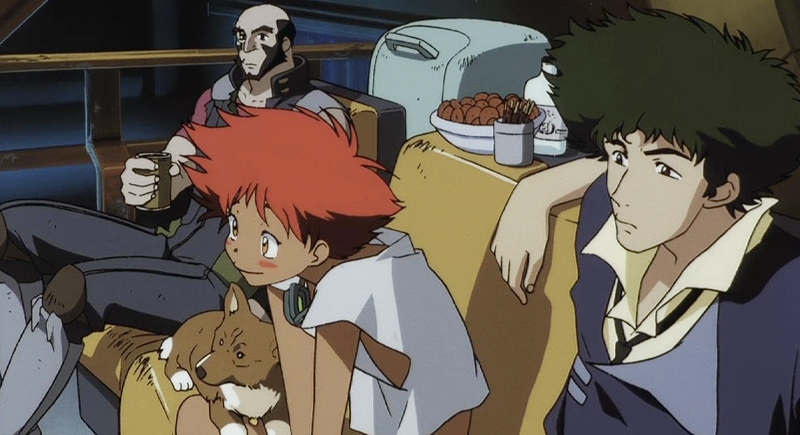
Cowboy Bebop
Credit: IMDb
The bold colors, cutout silhouettes, and jazz brass that explode into motion are as much style as substance. “Tank!” tells you exactly what kind of show this is. It’s fast, sharp, and full of edge. Skip it and you miss a masterclass in visual tone-setting.
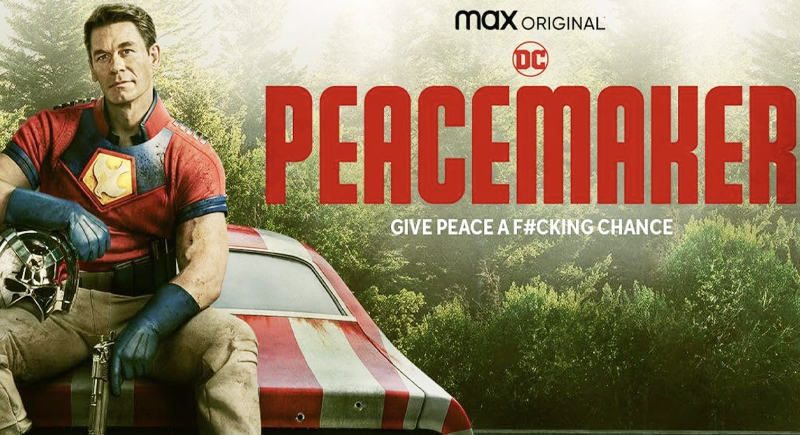
Peacemaker
Credit: IMDb
The cast performs a full choreographed routine to Wig Wam’s “Do Ya Wanna Taste It,” filmed in a single forward‑moving shot. James Gunn designed the sequence to avoid irony, instructing the cast to maintain neutral expressions throughout. The intro runs identically in every episode of the first season and quickly developed a large online following.
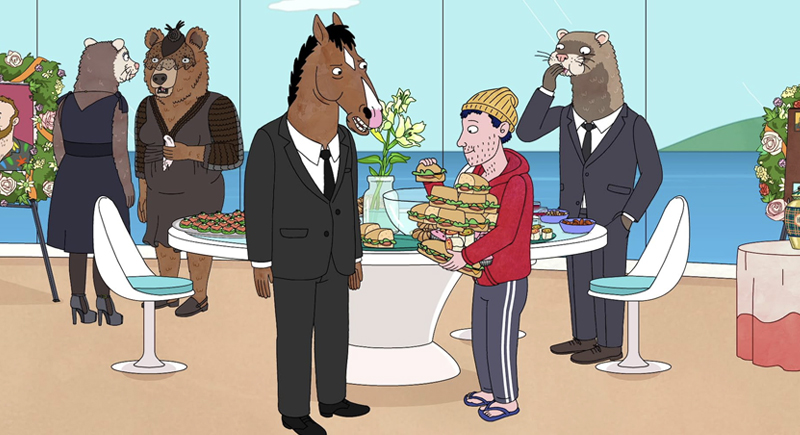
BoJack Horseman
Credit: IMDb
The music stays the same, but everything else shifts. Each season tweaks BoJack’s world with new sets, new supporting characters, and even the pool sequence at the end. Patrick Carney’s theme loops over the chaos and grounds a series that constantly reshapes itself without warning.
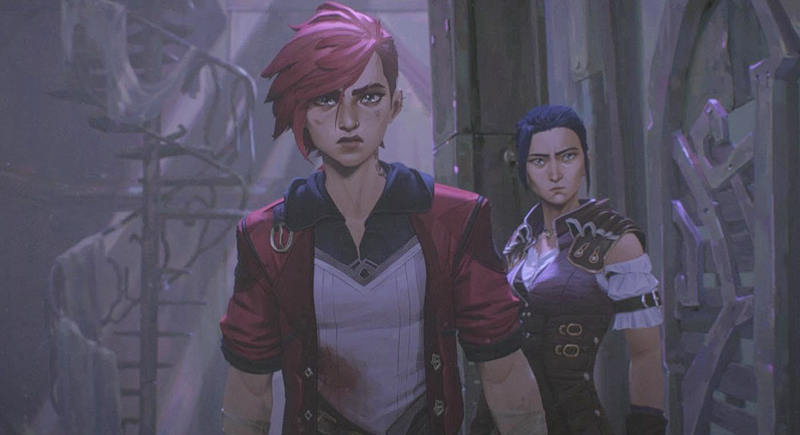
Arcane
Credit: IMDb
The intro presents characters and environments from Piltover and Zaun, animated in the same hybrid 2D–3D style used in the show. Enemy by Imagine Dragons and JID accompanies the visuals. The sequence contains early glimpses of narrative direction, which viewers identified only after later episodes clarified the context.
Rick and Morty
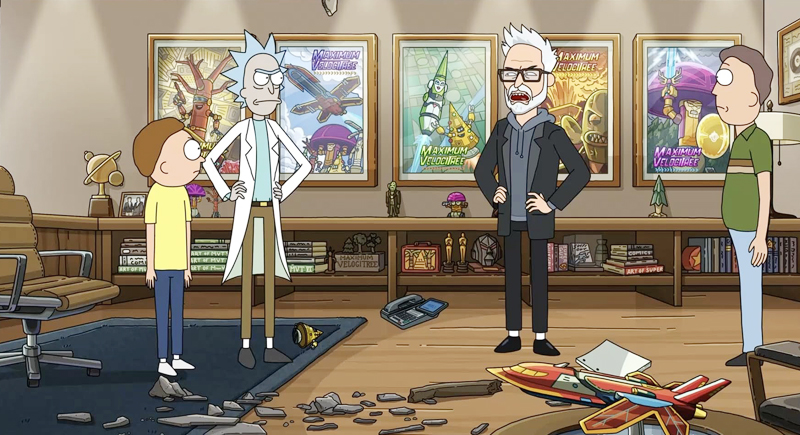
Credit: IMDb
The title sequence combines short sci-fi scenes from the show with others created explicitly for the intro. Ryan Elder’s theme combines theremin‑like tones and percussion. Each season updates parts of the sequence—usually swapping in new gags—while keeping the opening portal shot and closing monster chase intact.
Daredevil
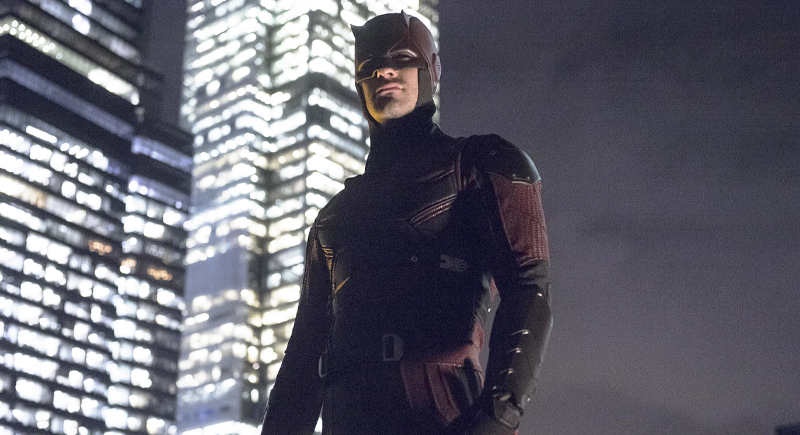
Credit: IMDb
Red liquid crawls over statues of crosses, buildings, and blind justice. The sequence is symbolic of violence, morality, and Matt Murdock’s fractured identity. The heartbeat score drives it home. Skipping this means missing the abstract intro that mirrors the show’s internal conflict.
The Twilight Zone
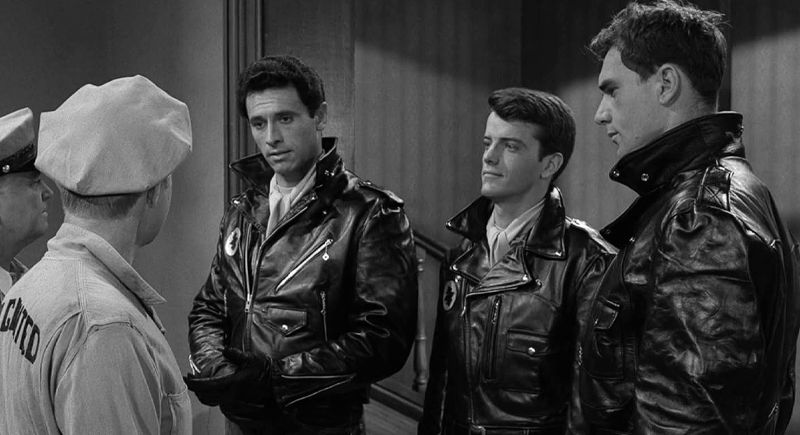
Credit: IMDb
Rod Serling’s narration introduces the premise while abstract imagery of doors, clocks, and star fields sets the show’s tone. Across five seasons, multiple intro versions were produced, including changes in the order and style of visual components. Marius Constant’s theme, introduced in season two, is now the music most associated with the series.
SpongeBob SquarePants
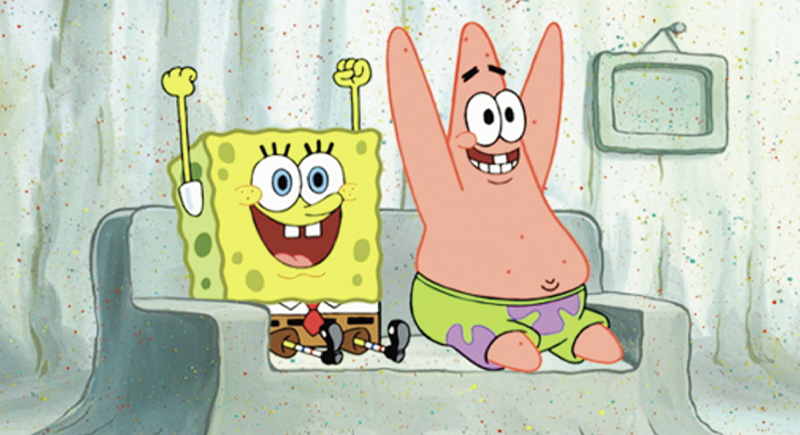
Credit: IMDb
No matter the decade or the country, that call-and-response intro hasn’t changed much. Its structure mimics a sailor’s chant, with Patrick Pinney’s voice leading the way. The familiar theme plays across international dubs, which gives it a rare global consistency.
Mission: Impossible (1966–1973)
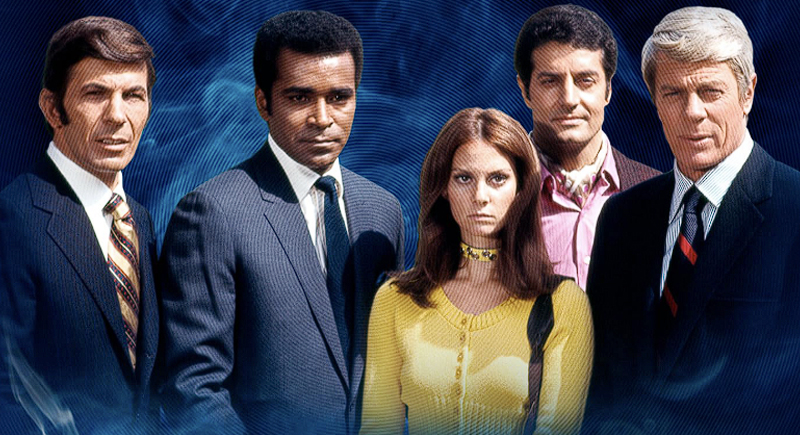
Credit: IMDb
Each episode begins with a lit match, followed by a sequence of rapid shots that preview that week’s mission. These excerpts were edited freshly for every broadcast. Lalo Schifrin’s theme, written in 5/4 time, provided the series with a pace that became iconic across decades of adaptations.
Buffy the Vampire Slayer
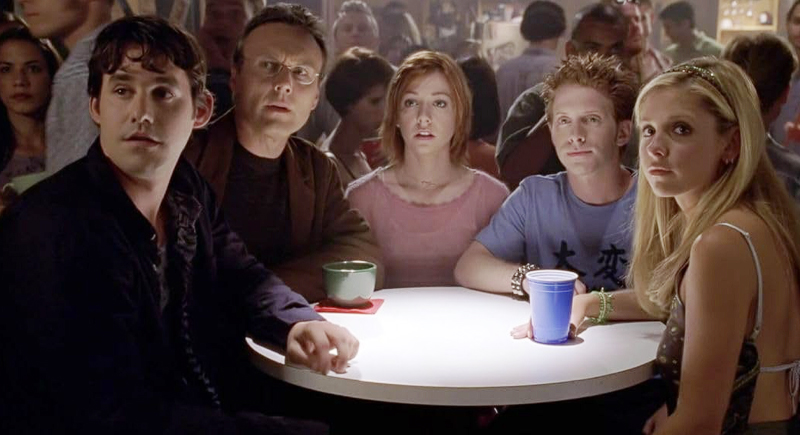
Credit: IMDb
The theme song by Nerf Herder stayed the same throughout the series, but the credit sequence shifted over time to reflect major cast changes. While not every season introduced dramatic changes, the adjustments tracked the evolution of the core cast and the show’s increasingly complex storytelling. Each version captured where Buffy stood.
Friends
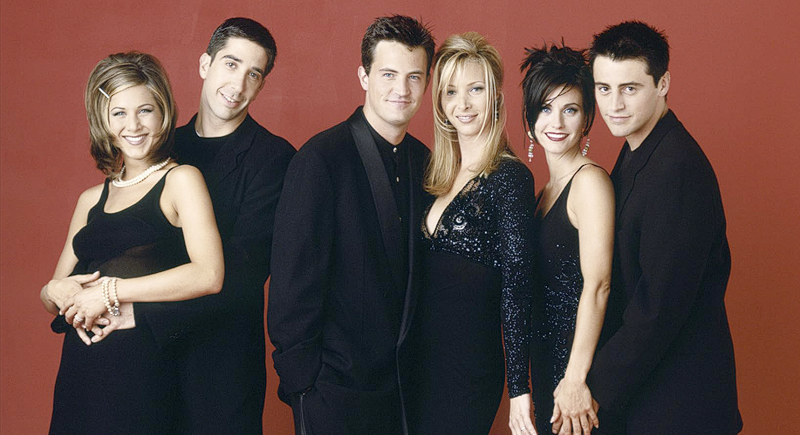
Credit: IMDb
The fountain never left, but what surrounded it did. Over time, new clips from episodes filled out the intro, even as The Rembrandts’ theme remained the same. I’ll Be There for You turned into a hit single that played everywhere during the show’s early years.