The Strangest Unlicensed Games Ever Released on Retro Consoles
During the 1980s and 1990s, console makers were still figuring out how to control what appeared on their systems. Licensing rules were inconsistent, regional enforcement was uneven, and technical protections were often easy to bypass. The environment produced a strange side market of games that reached players without permission, oversight, or quality checks.
Red Sea Crossing
Credit: Reddit
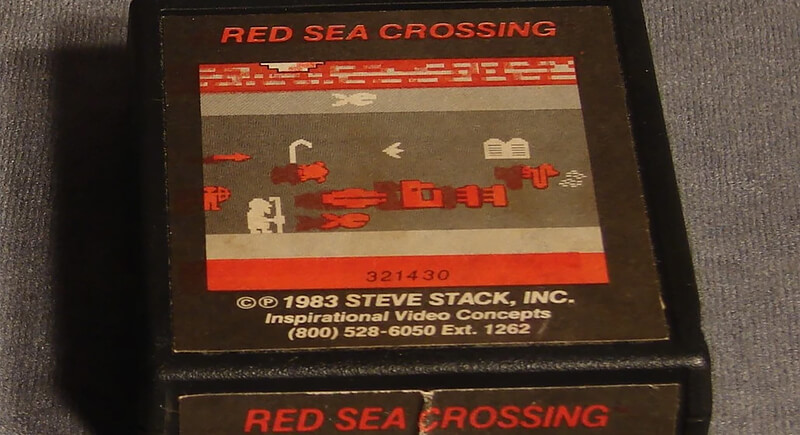
At a time when Atari was losing its grip on what reached players’ living rooms, a small religious publisher found a side door. Red Sea Crossing was sold by mail order in 1983, marketed directly to Christian families. The game retold the Exodus story, and disappeared almost immediately, only resurfacing decades later when a surviving cartridge was discovered in 2007.
Somari
Credit: Youtube
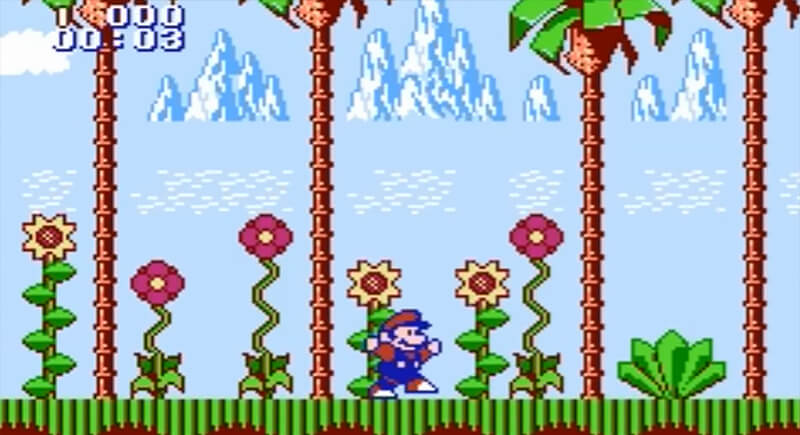
In regions where copyright enforcement barely functioned, Somari took Sonic’s identity, swapped in a Mario lookalike, and ran it on unlicensed Famicom hardware. The console couldn’t handle the speed-based design, which resulted in sluggish movement and broken physics. Distributed mainly in parts of Asia and Eastern Europe, the game reflected markets where familiarity mattered more than legality or performance.
Hong Kong ’97
Credit: Reddit
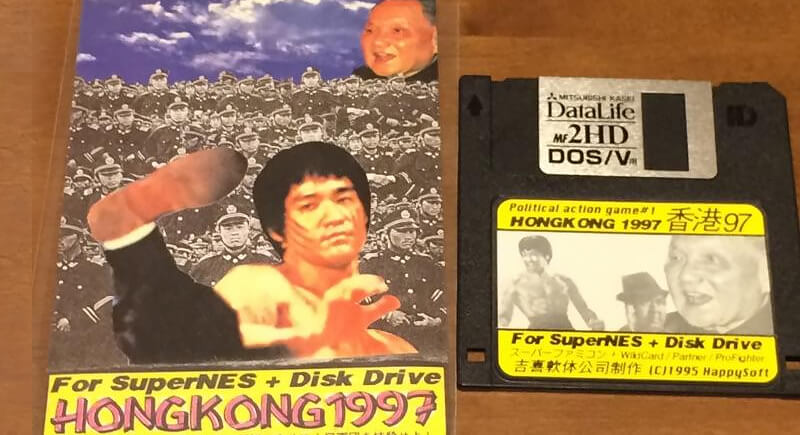
In the mid-1990s, independent developers in Hong Kong were reacting to political anxiety as much as market pressure. Hong Kong ’97 was built in roughly a week by a frustrated programmer who wanted to mock both the looming 1997 handover and commercial game design. Its intentionally crude visuals and repetitive shooter loop were meant to repel users.
Super 3D Noah’s Ark
Credit: Reddit
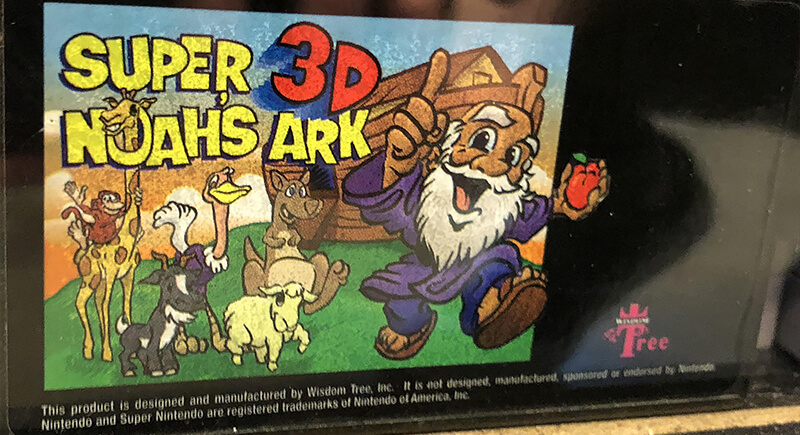
Nintendo’s lockout chip forced unlicensed developers to think physically, not digitally. Super 3D Noah’s Ark solved the problem by stacking on top of an official SNES cartridge, using it as a key. Beneath the workaround was a modified shooter built on Wolfenstein 3D’s engine, stripped of violence and repackaged for religious retailers.
Action 52
Credit: Reddit
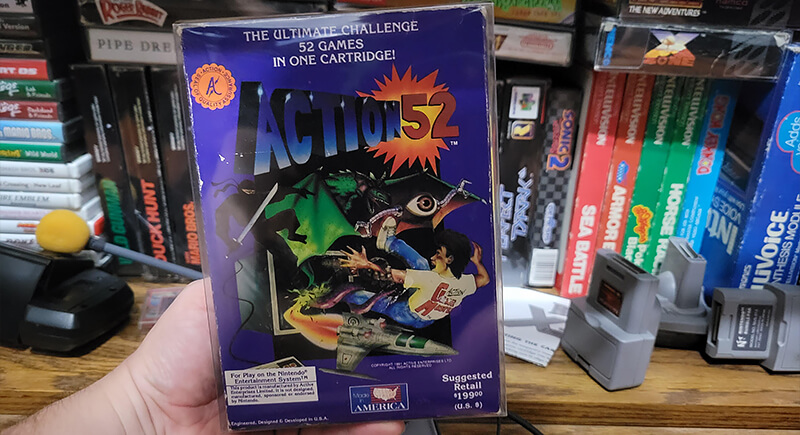
Action 52 promised 52 titles on a single cartridge for the NES and Genesis. Many were unfinished, unstable, or barely playable. Without licensing oversight, nothing stopped it from reaching stores.
Beat ’Em and Eat ’Em
Credit: Facebook
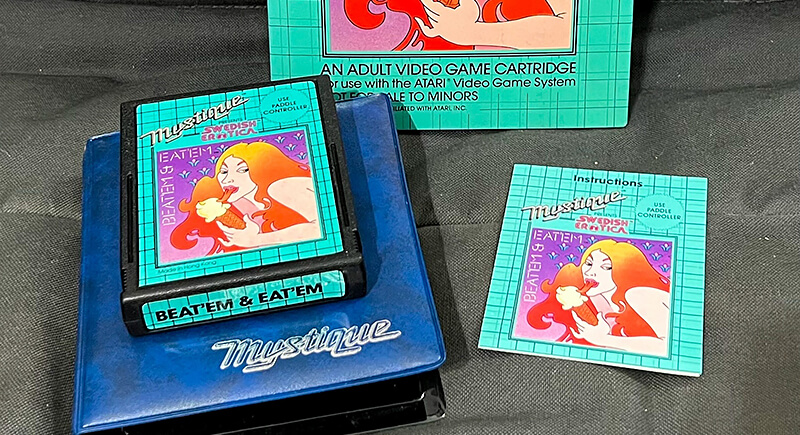
Pixels left very little to the imagination in Beat ’Em and Eat ’Em, as it turned crude adult humor into simple arcade mechanics, asking players to catch falling objects using two characters on screen. The shock came less from technical ambition and more from how openly it tested what home consoles could depict at the time.
Custer’s Revenge
Credit: Facebook
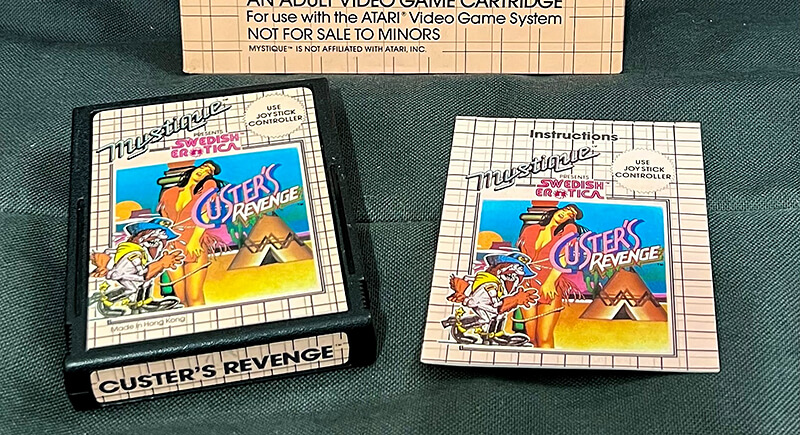
Protests followed almost immediately after Custer’s Revenge reached the market in 1982. The unlicensed cartridge’s offensive premise drew criticism from advocacy groups and mainstream media. Lawsuits and public pressure turned the game into a flashpoint for content regulation in early gaming.
Bible Adventures
Credit: Reddit
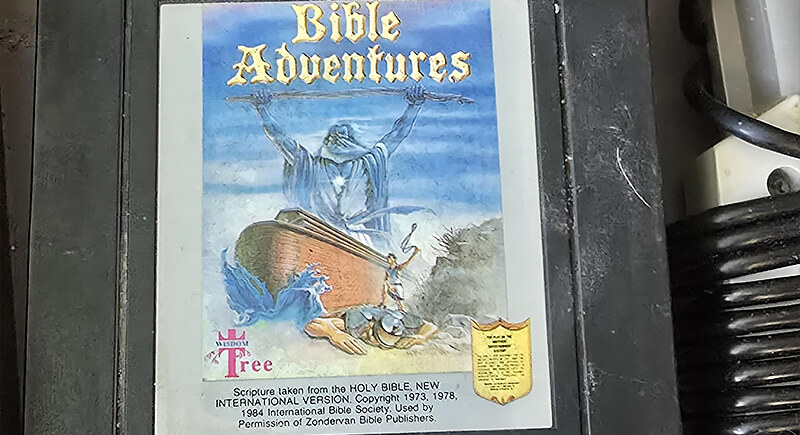
Nintendo’s lockout chip worked well in toy stores, but it had no power over religious bookstores. Bible Adventures reached players through Christian retail chains, completely sidestepping Nintendo’s licensing system. Built from recycled assets and notoriously unforgiving level design, it found an audience outside the usual gaming market during the height of the NES era.
MaxPlay Classic Games
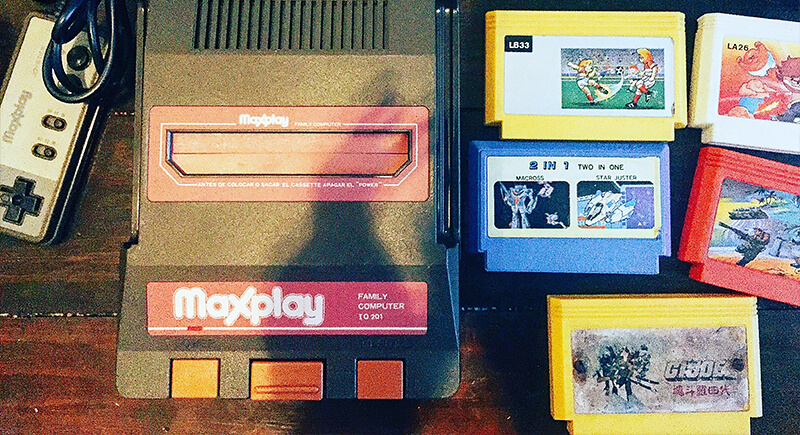
Credit: Reddit
In the early 2000s, console shelves briefly became a legal gray zone again. MaxPlay Classic Games appeared in 2004 for PlayStation 2 and GameCube, bundling Game Boy Advance titles through emulation without authorization. It sold as a legitimate product before rights holders intervened.
Dial Q o Mawaese!
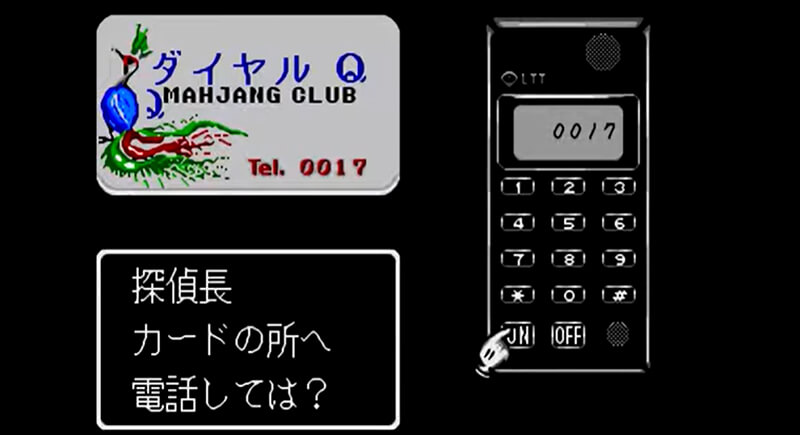
Credit: Youtube
Japanese adult game markets operated on looser margins than Sega expected. Dial Q o Mawaese! slipped onto the Mega Drive through limited regional distribution, leaning on suggestive themes rather than gameplay depth. Trademark protections failed to block it completely.