10 Underrated ’80s Bands That Should Have Been Massive
The 1980s music scene changed quickly, with new sounds, styles, and trends constantly replacing each other. In that pace, many bands with strong catalogs were overlooked while bigger names dominated radio and MTV. It didn’t help that limited radio play, label priorities, and timing kept them from wider exposure despite consistent output. This list highlights some of those bands.
Anvil
Credit: Wikimedia Commons
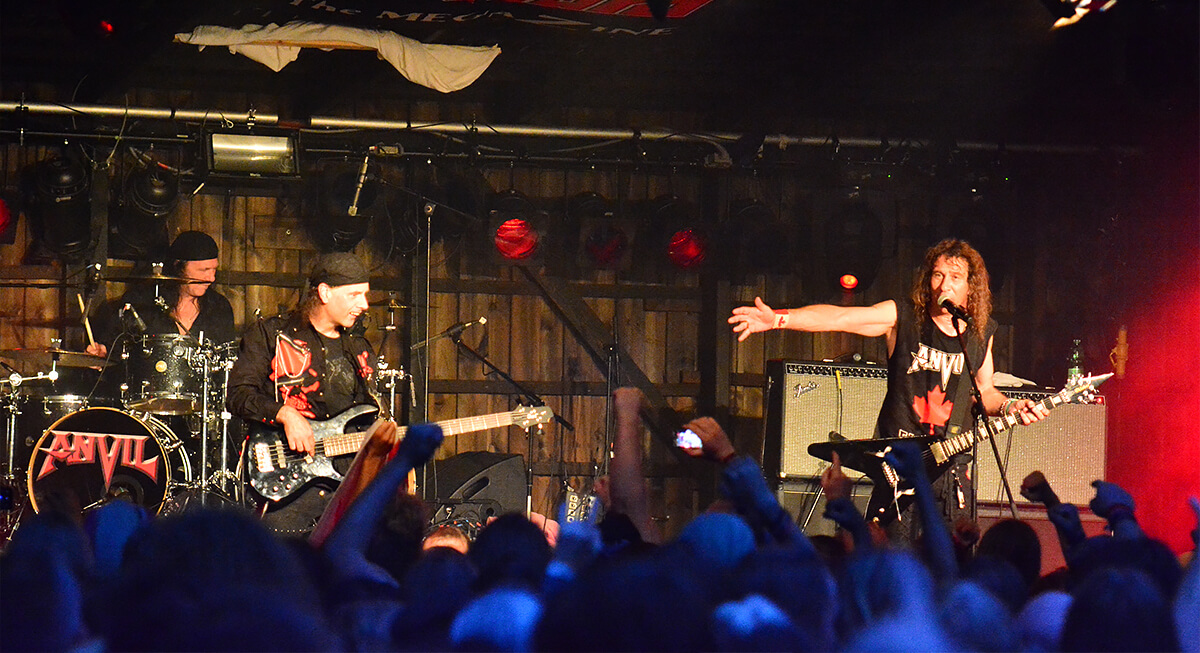
Anvil, a Canadian metal band formed in 1981, influenced Metallica, Guns N’ Roses, and Slayer while building a reputation for high-energy live shows. Steve “Lips” Kudlow led the group through decades of touring and recording, including 19 studio albums. Their visibility surged years later with the 2008 documentary Anvil! The Story of Anvil.
Boogie Down Productions
Credit: IMDb
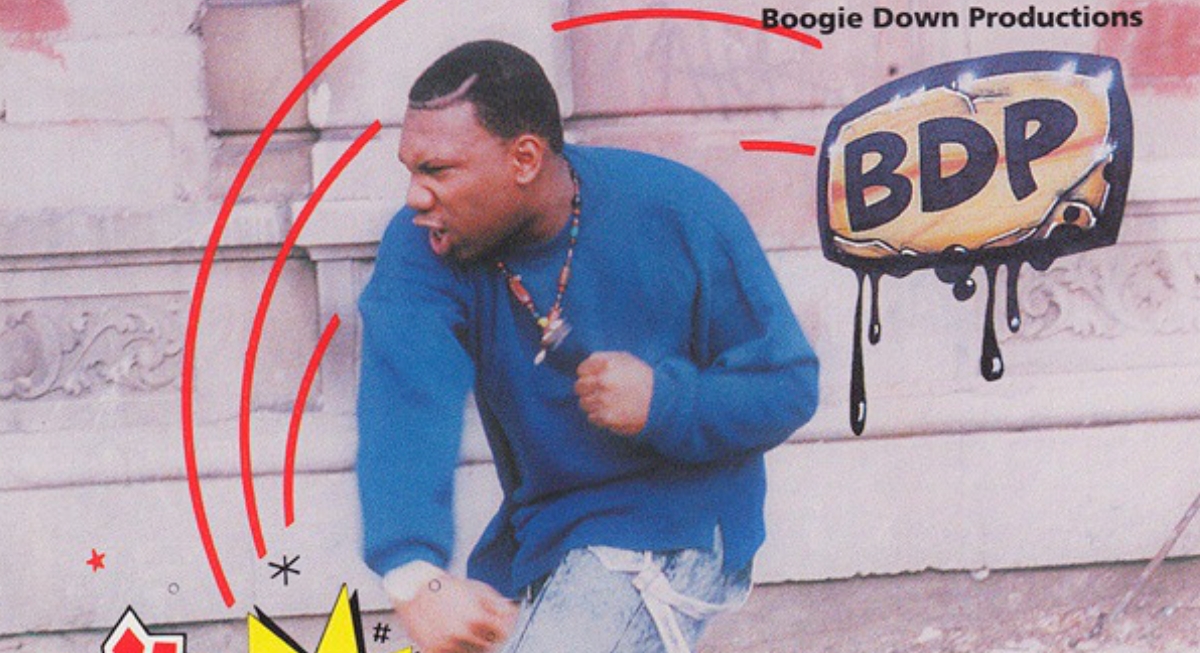
The 1987 album “Criminal Minded” is considered one of the earliest gangsta rap releases, driven by KRS-One’s sharp lyricism. The group pulled directly from life in the South Bronx and incorporated Jamaican elements into their sound. DJ Scott La Rock was killed soon after the album dropped, which shifted their trajectory even as their influence on hip-hop remained strong.
The Fixx
Credit: Wikimedia Commons
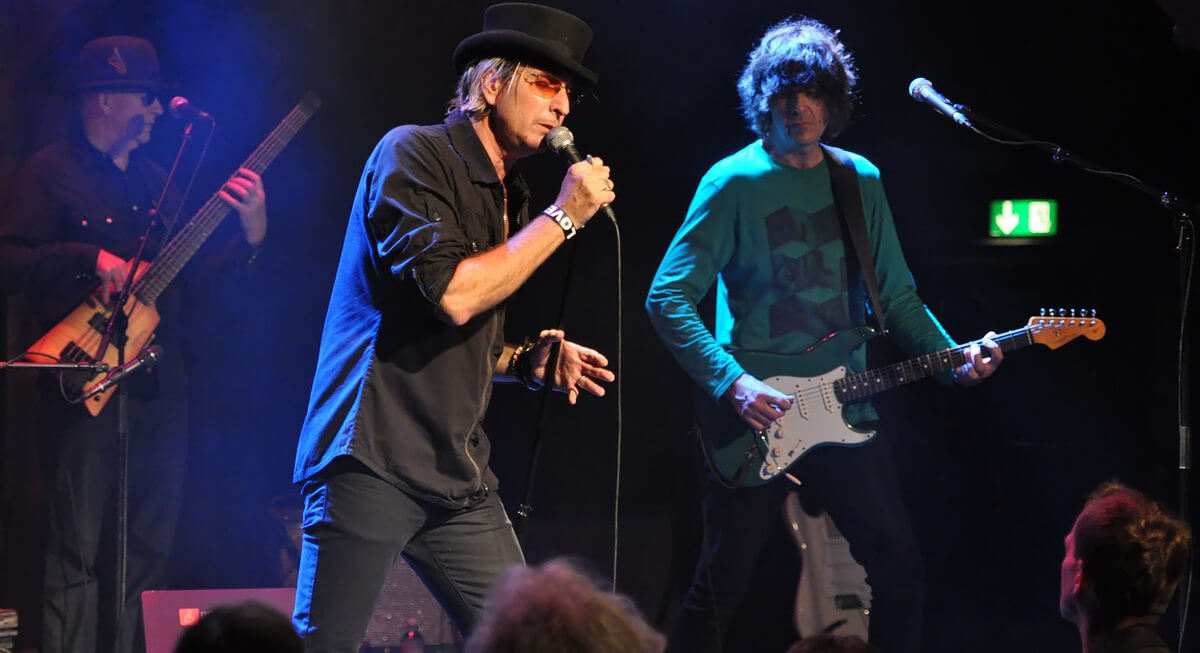
The Fixx broke through with Reach the Beach in 1983 and scored hits like One Thing Leads to Another and Saved by Zero. Later songs, such as Are We Ourselves? still charted but lost visibility over time. Cy Curnin fronted the group and kept releasing solid material even as their early success faded from mainstream attention.
Front 242
Credit: Wikimedia Commons
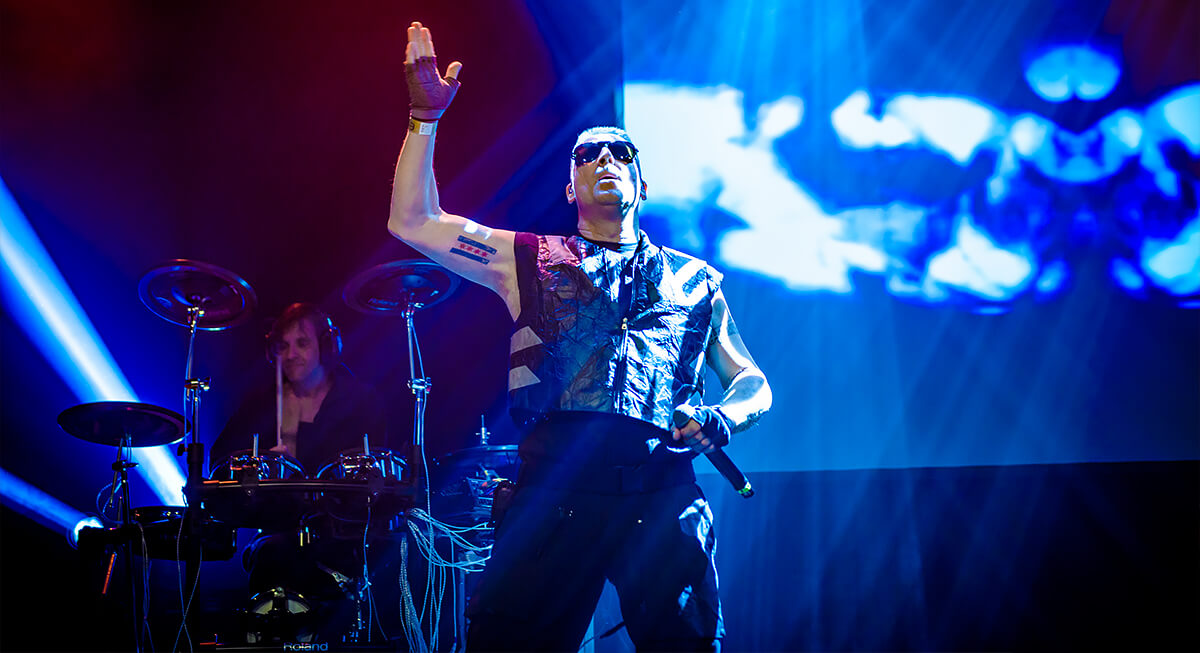
While similar acts gained MTV exposure, Front 242 remained more underground, despite shaping a sound that would influence electronic and industrial music. This Belgian group helped pioneer industrial and electronic body music starting with 1982’s Geography. Their 1988 track Headhunter remains their best-known release.
The Greg Kihn Band
Credit: Wikimedia Commons
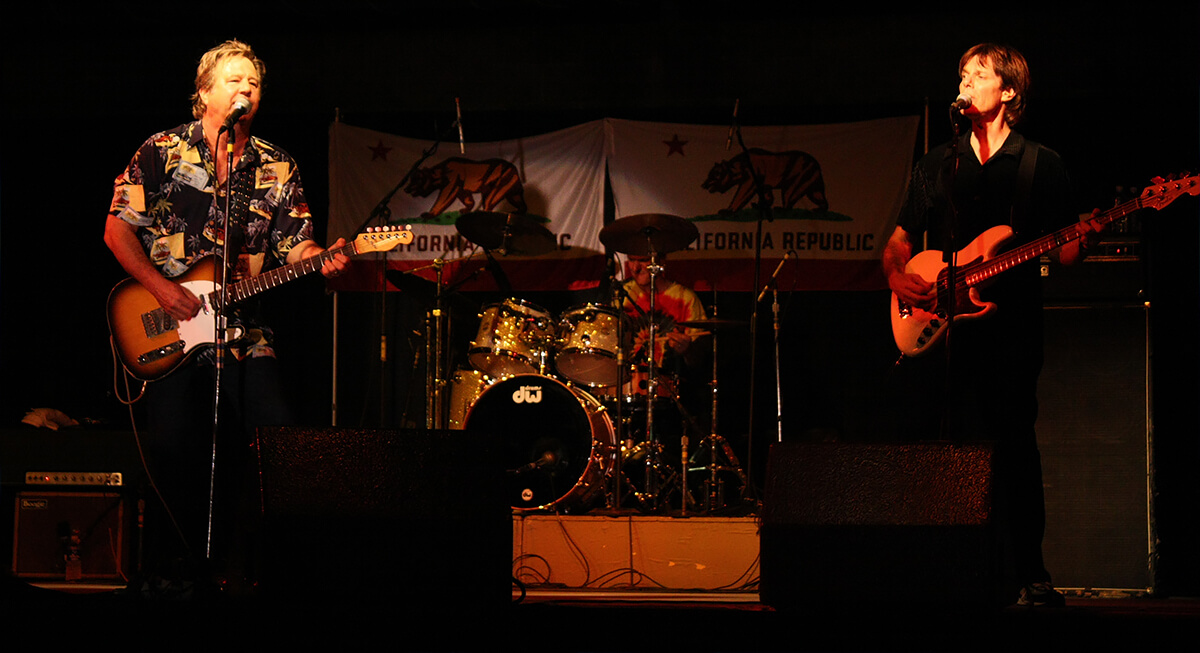
The Greg Kihn Band released 12 albums, but their steady output never translated into long-term mainstream recognition. They were based in the Bay Area and reached the top 20 with The Breakup Song (They Don’t Write ’Em) in 1981, following it with the top-10 hit Jeopardy in 1983.
The Call
Credit: ebay
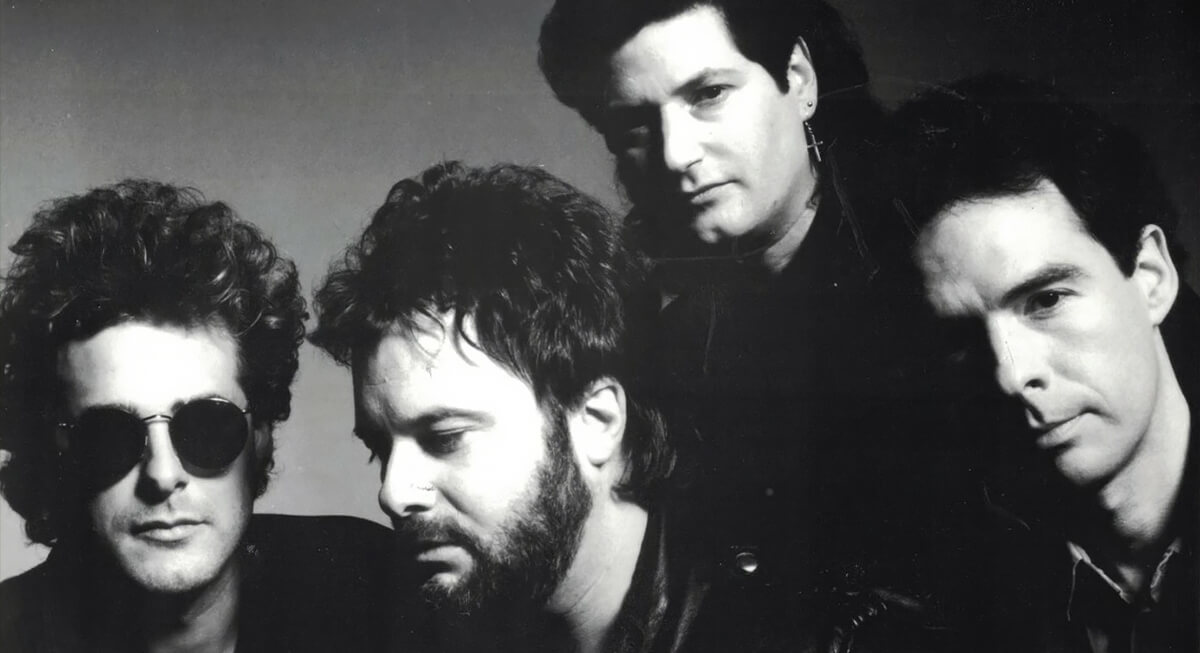
Formed in California in 1980, The Call built a catalog filled with emotionally driven rock songs, with tracks like 68 Guns and Spirit of ’76 carrying their distinct identity. Frontman Michael Been died at age 60 while on tour with his son’s band, which added a tragic note to his career.
The Alarm
Credit: Wikimedia Commons
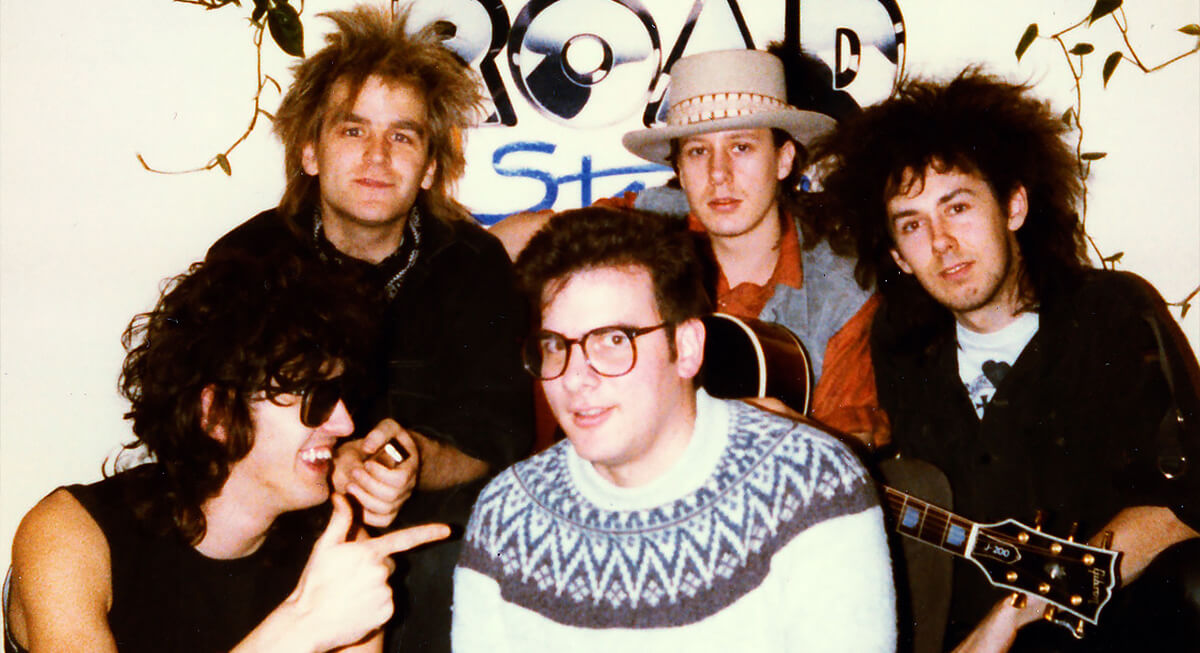
Mike Peters has led The Alarm, a Welsh band often compared to U2. They continue to perform as of 2026. It formed in 1981 and released songs such as Rain in the Summertime and Sold Me Down the River.
Y&T
Credit: Wikipedia
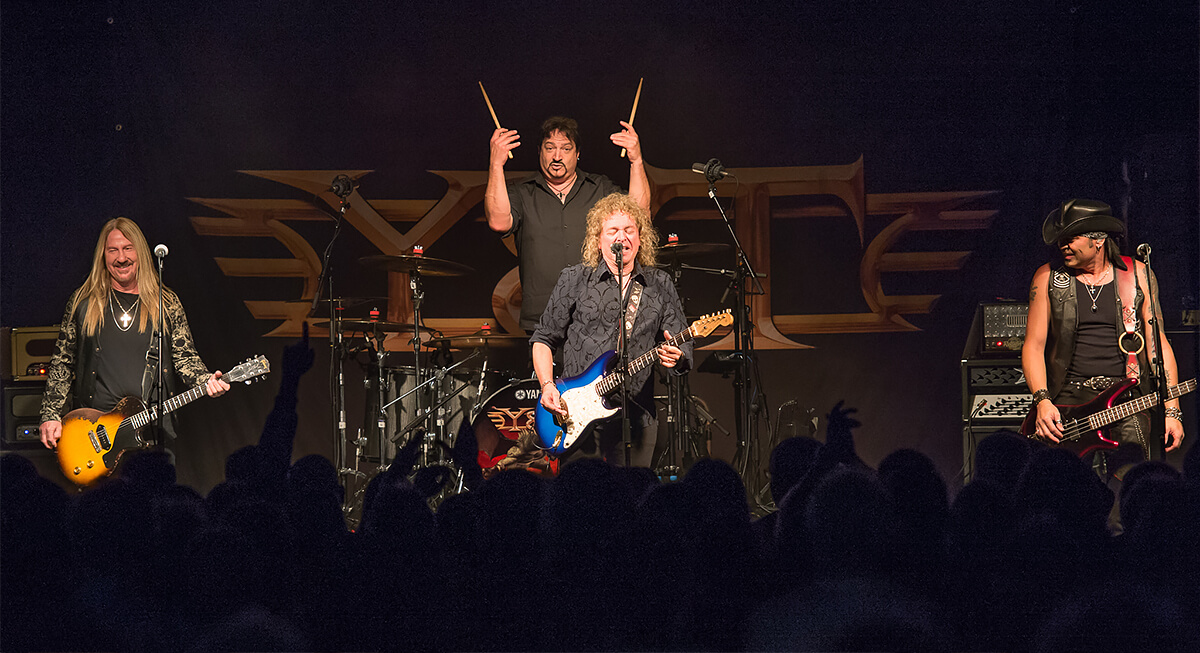
Short for Yesterday and Today, this hard rock band never matched the success of other 1980s acts despite strong musicianship and Dave Meniketti’s vocals that connected with dedicated fans. Their limited MTV exposure held them back from reaching the same level as more commercially pushed bands.
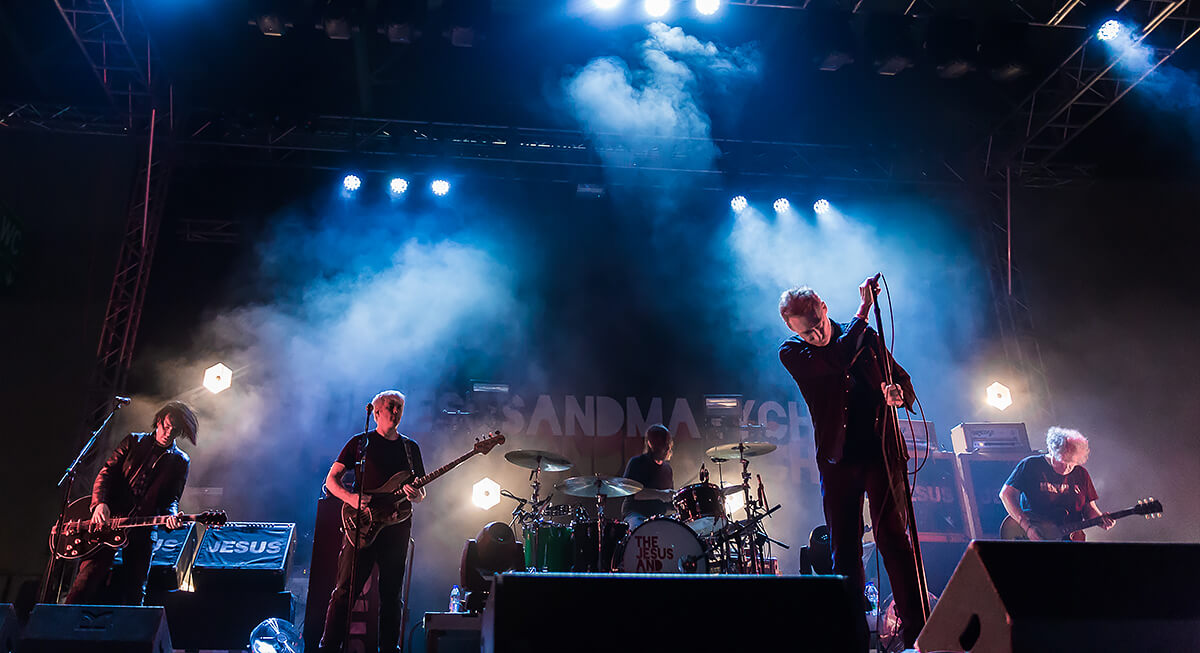
Jesus and Mary Chain
Credit: Wikimedia Commons
Their sound arrived before that style gained wider traction. We’re speaking of Jesus and Mary Chain, who released Psychocandy in 1985, followed by Darklands in 1987 and Automatic in 1989. Songs like April Skies and Happy When It Rains combined noise and melody in a way that influenced later alternative rock.
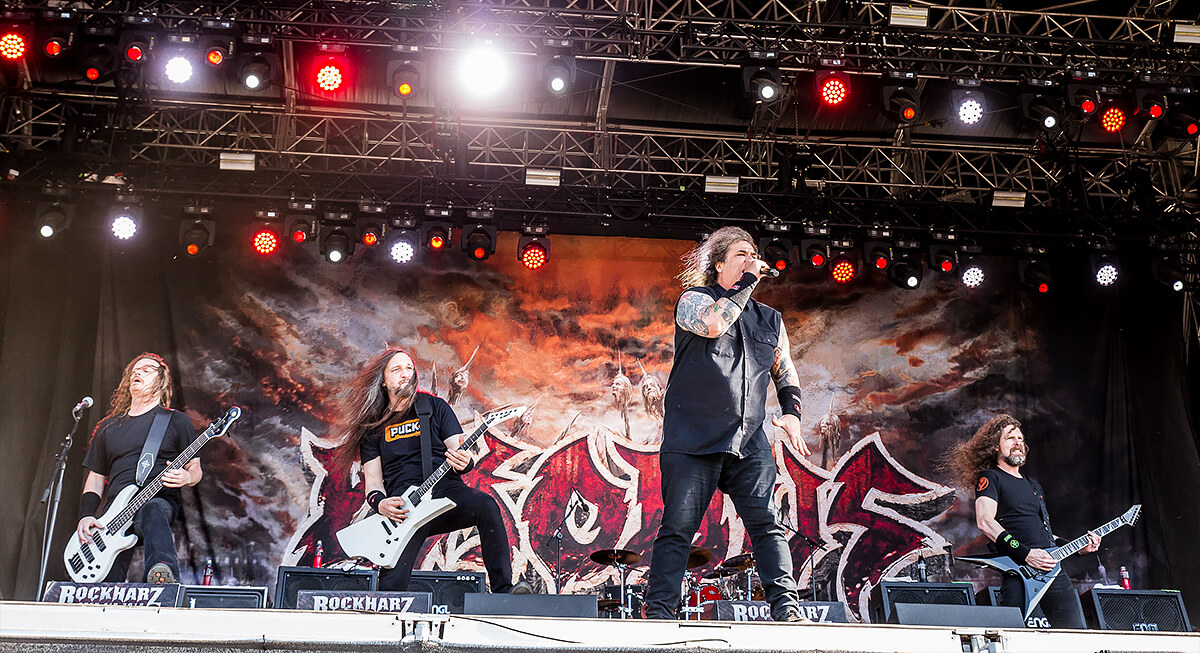
Exodus
Credit: Wikimedia Commons
Part of the Bay Area thrash scene, Exodus came out with Bonded by Blood in 1985, followed by Pleasures of the Flesh and Fabulous Disaster. The band helped define early thrash metal alongside peers who later became more commercially successful. Guitarist Gary Holt and early member Kirk Hammett helped connect the group directly to Metallica’s rise.