10 Marvel Villains Who Are More Powerful Than They Seem
In Marvel stories, the most dangerous villains aren’t always the ones leveling cities. Sometimes it’s the character who wins a fight before it starts, or turns one mistake into a chain reaction across entire story arcs. These 10 villains enter stories looking manageable, then end up forcing heroes to rewrite plans, alliances, or even reality itself.
The Spot
Credit: Wikimedia Commons
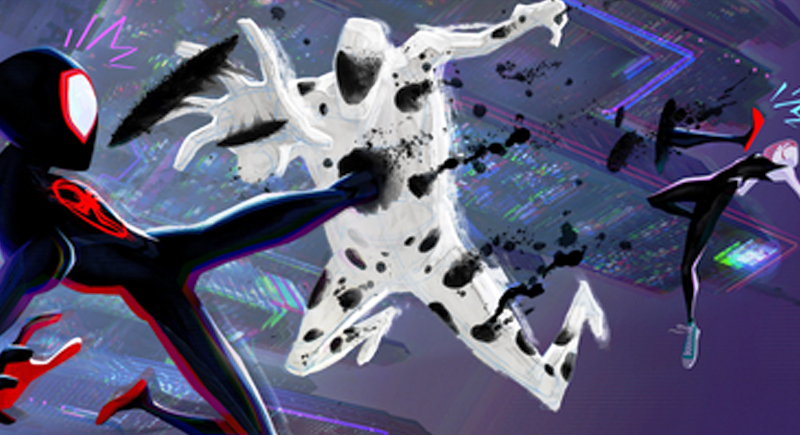
During street-level fights against Spider-Man, Spot often looks like a nuisance, because his portals initially read like a trick rather than a weapon. As stories progressed, writers began exploring what happens when those portals destabilize space itself, allowing Spot to redirect massive force, trap opponents between dimensions, or tear open areas that shouldn’t physically connect.
Arcade
Credit: Wikimedia Commons
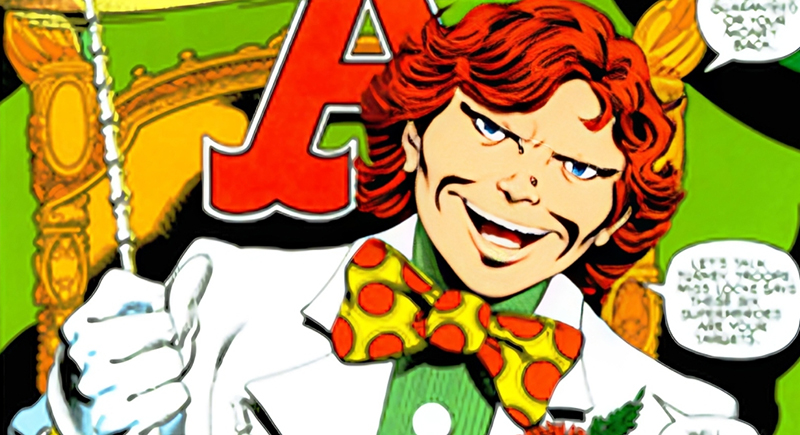
In Avengers Arena and multiple Murderworld storylines, the traps work because they are designed around specific heroes. Arcade studies personalities, relationships, and stress reactions before building anything. By the time heroes arrive, every room already reflects their weaknesses.
Taskmaster
Credit: Reddit
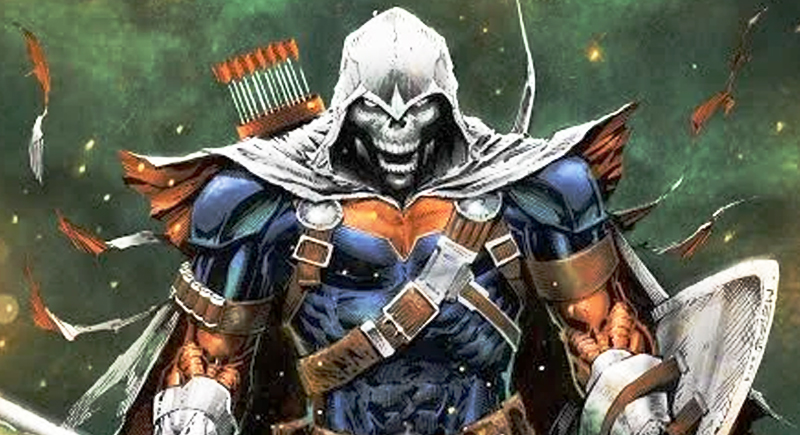
Certain fighters suddenly start using techniques copied from Captain America, Hawkeye, or Black Widow. That skill pipeline usually leads back to Taskmaster. His photographic reflexes let him replicate combat styles and sell that training, spreading his impact far beyond his own appearances in battle.
Baron Zemo
Credit: Reddit
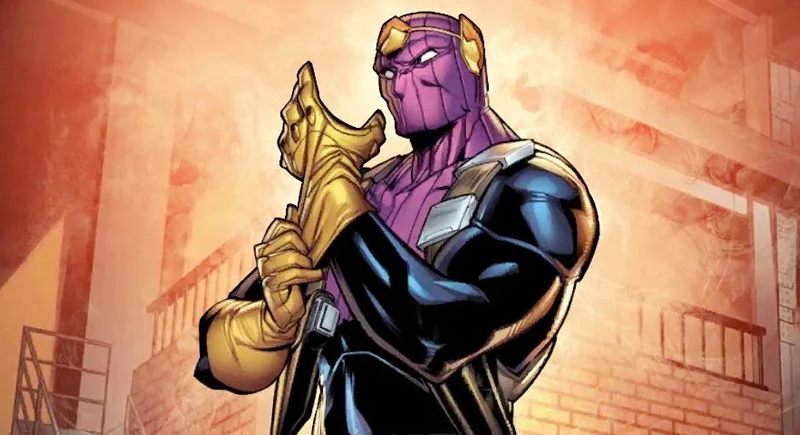
During the fallout leading into “Civil War,” trust within hero teams had already begun to erode long before open conflict began. Years of research into personal histories and alliances shaped that collapse. Behind the scenes, Baron Zemo targeted pressure points that caused heroes to turn inward.
The Maker
Credit: Reddit
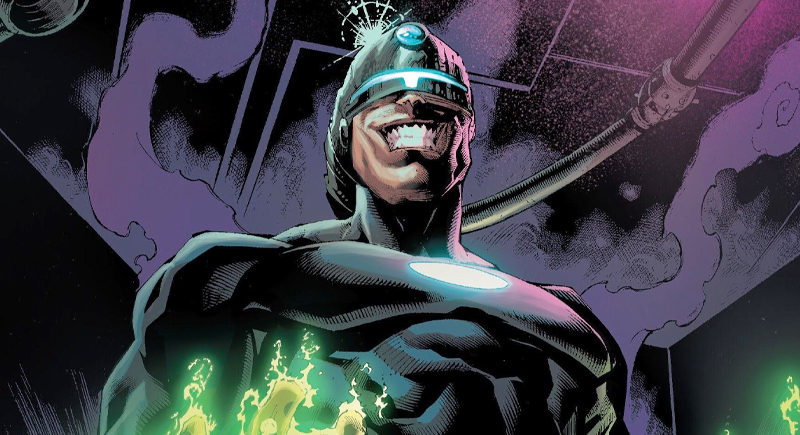
In multiverse events tied to the Ultimate Universe and Secret Wars, entire populations are affected by experiments already running in the background. Long-term research programs and dimensional testing drive those outcomes. At the center of many of those projects is The Maker; he applies genius-level science while treating people and timelines as variables.
Kang the Conqueror
Credit: Reddit
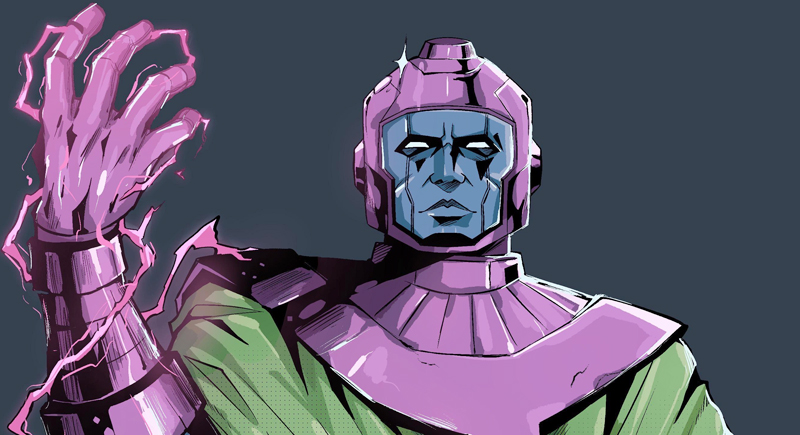
According to one storyline, an Avengers victory parade is already scheduled when a future version of the same enemy sends back data showing exactly how the celebration ends. That type of layered planning defines Kang the Conqueror, who treats battles like checkpoints in a timeline he’s been studying for years.
Molecule Man
Credit: Wikimedia Commons
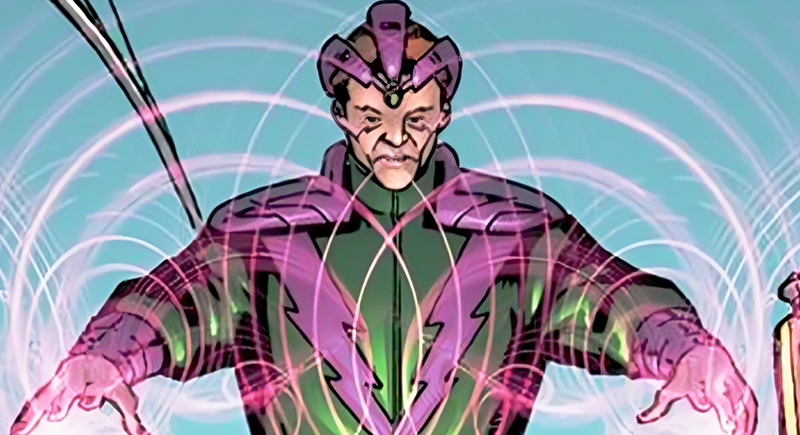
During the incursions leading into Secret Wars, Doctor Doom doesn’t first chase armies or artifacts. He tracks down Owen Reece across collapsing universes because every destroyed Earth is tied to him. Molecule Man isn’t treated like a supervillain in that story. Entire realities stay intact or disappear depending on whether he survives long enough for the next collapse cycle to hit.
Wilson Fisk
Credit: Reddit
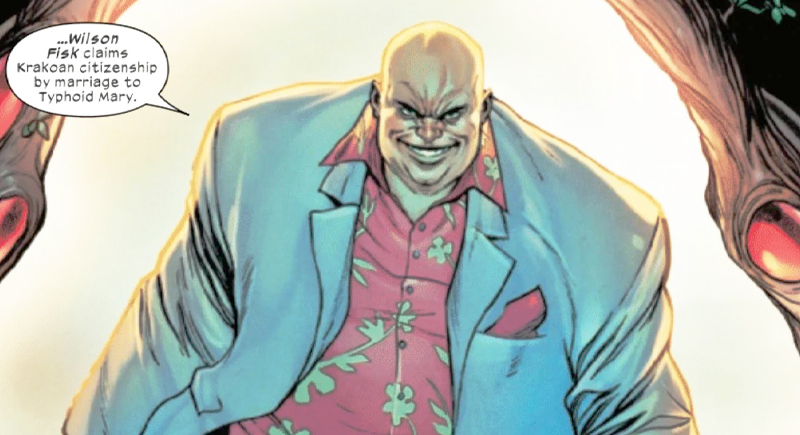
In one Daredevil arc, a hospital expansion project forces out multiple neighborhood businesses before anyone connects it to crime. The funding trail runs through real estate groups, political donors, and city contracts before landing on Wilson Fisk. He doesn’t need street fights when property ownership, debt, and zoning approvals can move entire populations.
Magneto
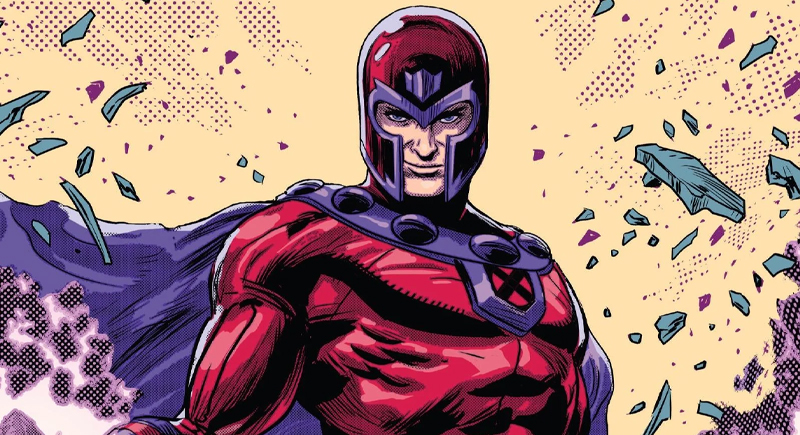
Credit: Reddit
The Genosha storyline began as a political shift after years of mutant persecution and failed international protection efforts. When Magzneto took control of Genosha, he turned it into a functioning mutant homeland with infrastructure, military defense, and diplomatic leverage. World governments responded with surveillance, sanctions, and eventually military action because the balance of global power had changed overnight.
Loki
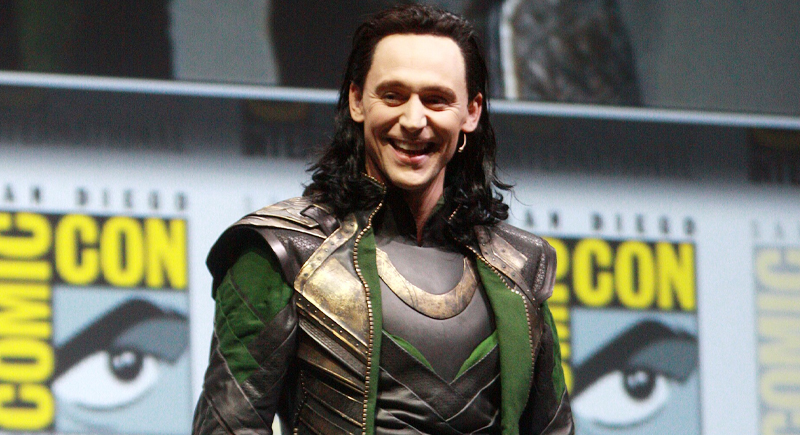
Credit: Wikimedia Commons
The original Avengers formation and subsequent conflicts had one thing in common: trust between heroes often breaks before any physical fight begins. False intelligence leaks, impersonations using magic, and manipulated emotional triggers usually trace back to Loki. He rarely needs battlefield wins because convincing heroes to mistrust each other creates damage that lasts long after the deception is exposed.