10 TV Shows That Got Better After Everyone Stopped Watching
The Golden Age of Television left us with a strange problem: too much to watch and too little time to stay loyal. Most people jump ship the second a show hits a rocky patch or loses its initial “cool” factor. Ratings drop, social media mentions vanish, and the general public moves on to the next big streaming hit.
But something happens when the cameras stop flashing, and the pressure of being a cultural phenomenon fades. Creators stop trying to please everyone and start making the show they actually wanted to make. These 10 series found their soul only after most of the world had already looked away.
The Leftovers
Credit: IMDb
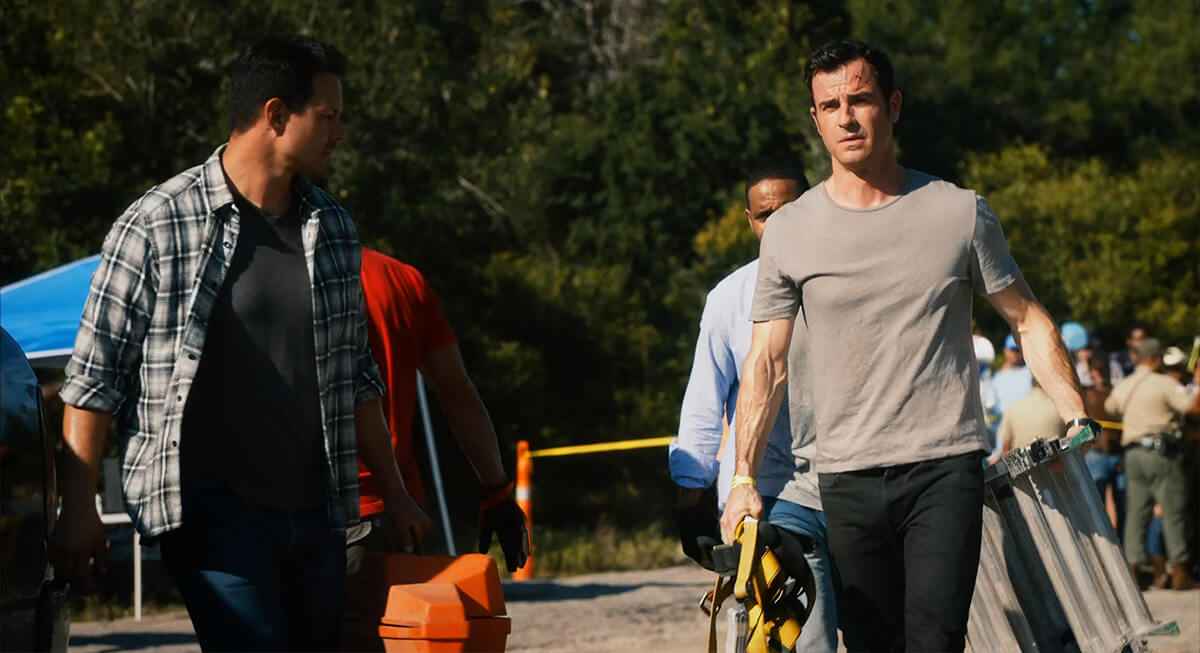
HBO’s heavy drama started as a bleak exercise in grief that felt almost punishing to sit through. By the time the second season rolled around, a large chunk of the audience had tapped out, exhausted by the relentless gloom. Those who stayed witnessed a total creative rebirth. The show changed the setting, injected a dose of surrealist humor, and leaned into the absurdity of its premise. It stopped trying to explain the “Departure” and started exploring the strange ways humans find meaning. The final two seasons are widely regarded as among the most profound television ever produced, even if viewership numbers never quite recovered.
Parks and Recreation
Credit: IMDb
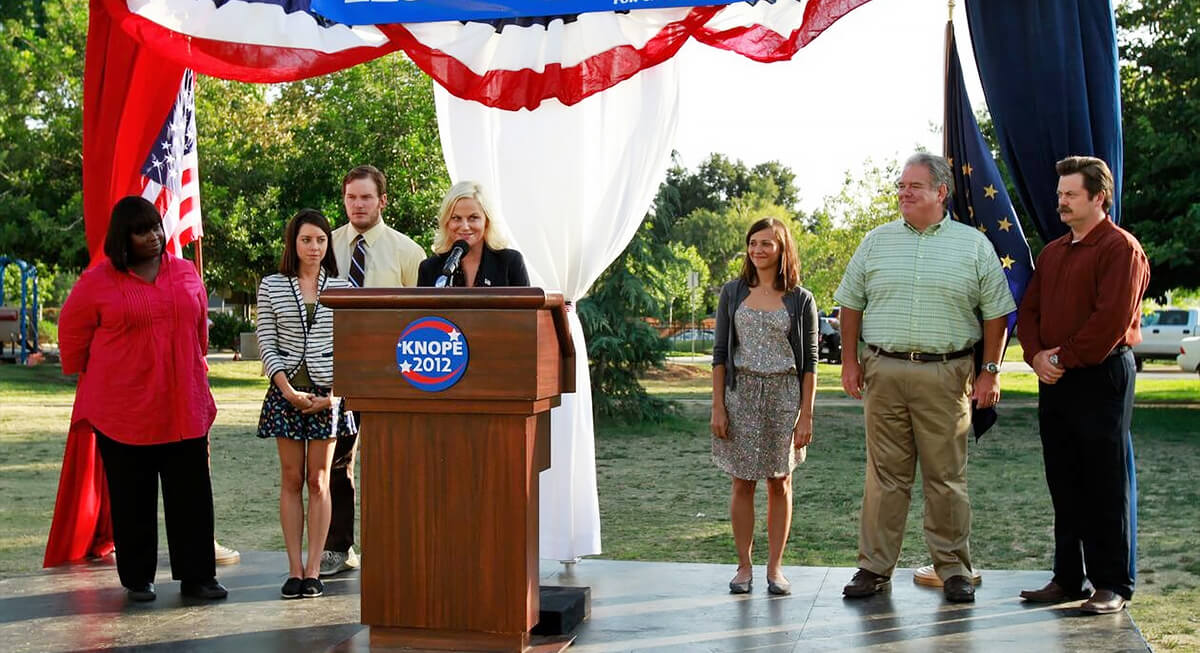
Early on, Leslie Knope was written as a female version of Michael Scott. It was well-meaning but ultimately became cringeworthy. The first season struggled to find an identity, and the ratings reflected that confusion. When the show returned for a second run, the writers made a simple but massive change: they made Leslie competent. They turned the Pawnee government office into a group of people who actually liked each other. The show became a beacon of optimism and a masterclass in ensemble comedy.
Agents of S.H.I.E.L.D.
Credit: IMDb
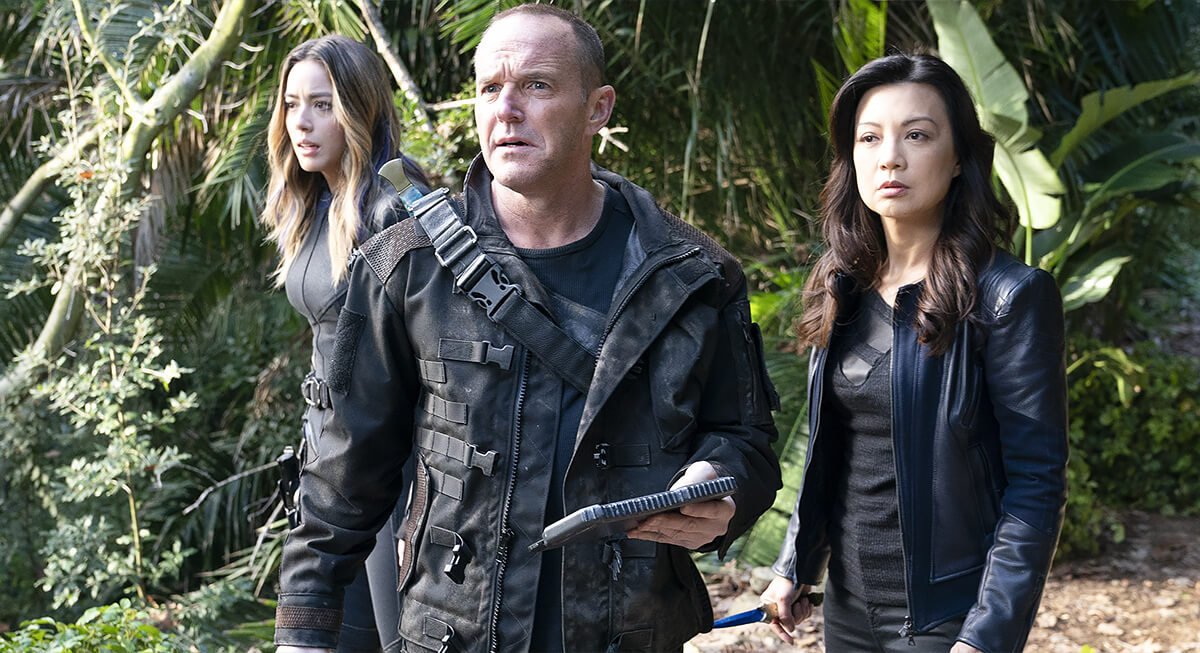
The hype for the first live-action Marvel show was astronomical, but the reality of the early episodes felt like a standard police procedural with a few gadgets. Millions of fans abandoned the show before the first season ended. The mass exodus turned out to be a blessing. Without the burden of maintaining ratings, the writers took massive swings. They introduced time travel, alternate realities, and complex philosophical dilemmas. The later seasons feel like high-concept sci-fi novels brought to life.
Halt and Catch Fire
Credit: IMDb
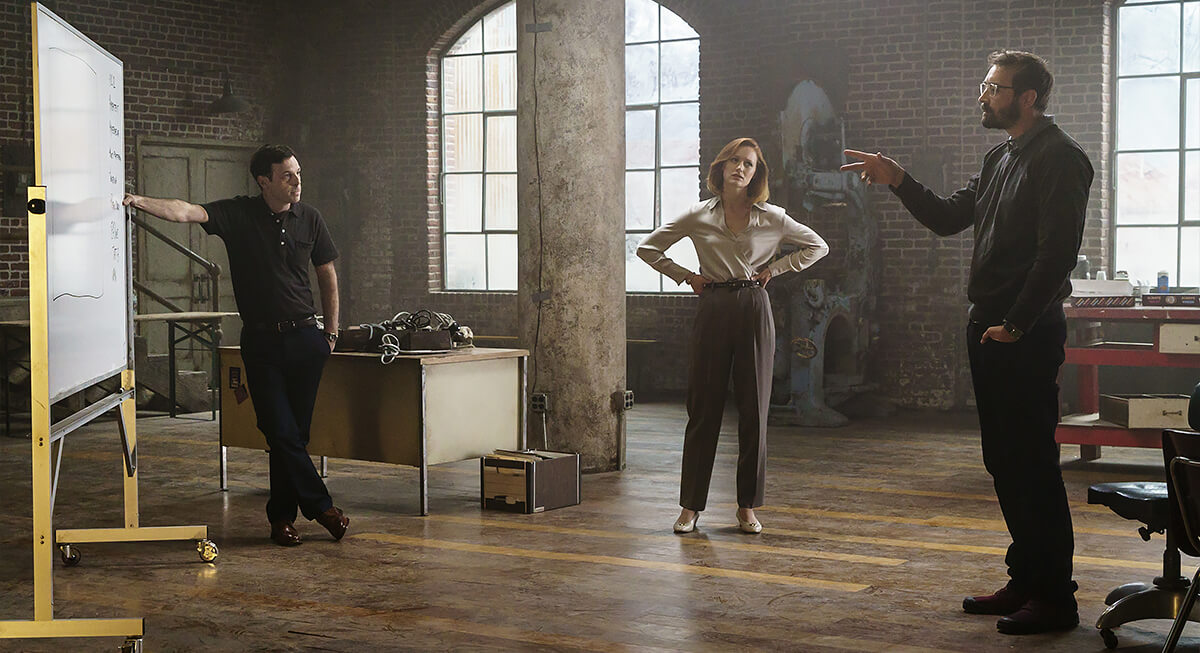
AMC initially pitched this series as a sleek, 1980s tech drama centered on a charismatic, Don Draper-esque lead, similar to what Mad Men had. It was fine, but it felt familiar. Viewers drifted away, assuming they had already seen this story. Once the show became a niche favorite, it shifted the spotlight to the two female leads and the emotional weight of failed ambitions. It grew into a beautiful, decades-spanning story about the cost of trying to change the world. The final season is a masterpiece of character development.
Schitt’s Creek
Credit: IMDb
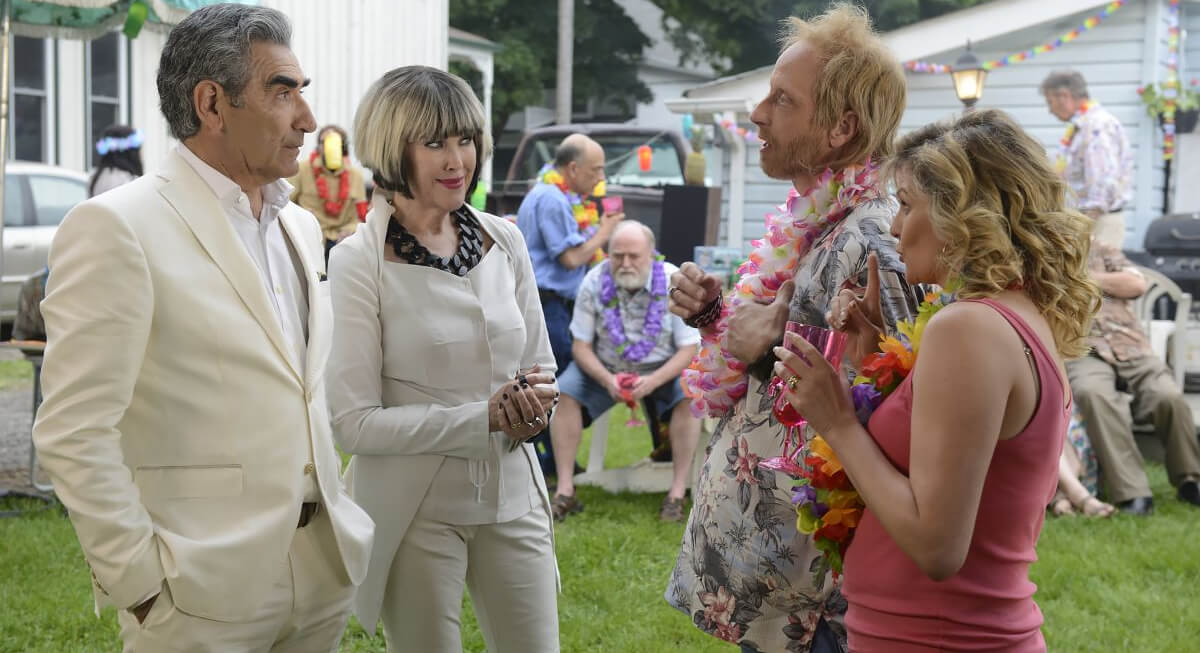
This Canadian comedy lived on a small network with very little buzz. The premise—rich people lose their money and move to a small town—sounded like a dozen other sitcoms. Most people didn’t give it a second look. However, the show used those years to build one of the most heartwarming redemption arcs in TV history. By the time it became a global sensation on Netflix during its final run, it had already perfected its blend of razor-sharp wit and genuine sincerity.
Legends of Tomorrow
Credit: IMDb
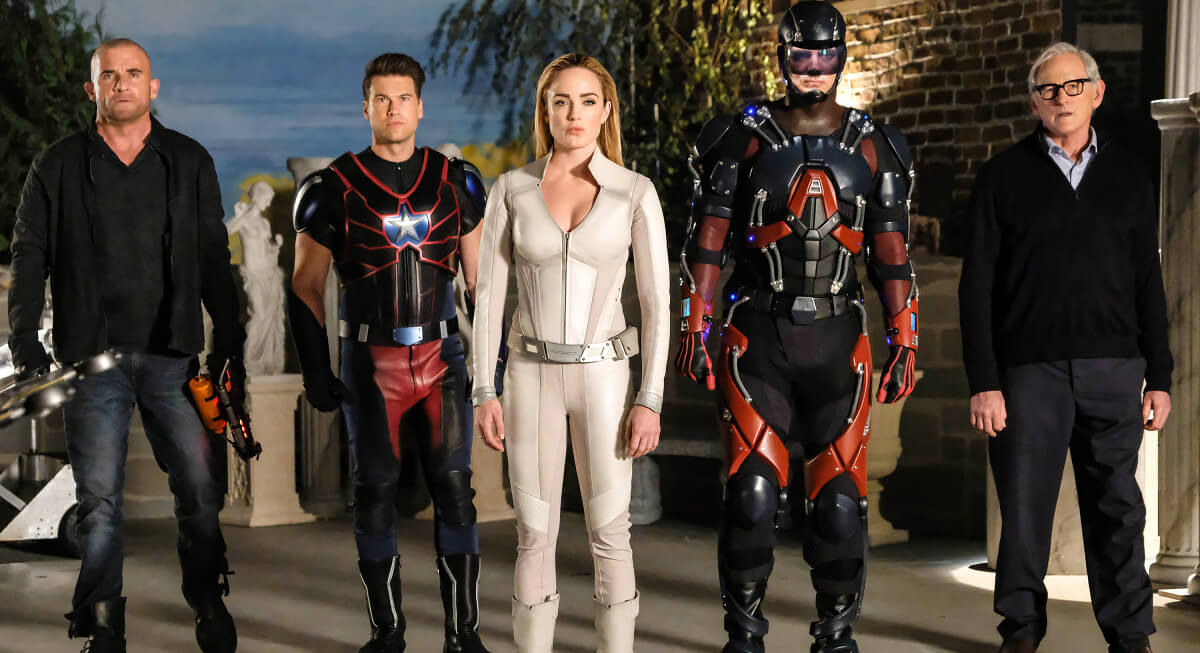
The first season of this superhero spinoff was a somber, often clunky affair about saving the world. It was considered the least popular entry in its shared universe. Realizing they had nothing to lose, the production team leaned into the chaos. They stopped trying to be a serious action show and became a self-aware, genre-bending romp. They fought giant stuffed toys and held Viking funerals for fictional characters. It became the most creative and joyful show on its network.
The 100
Credit: IMDb
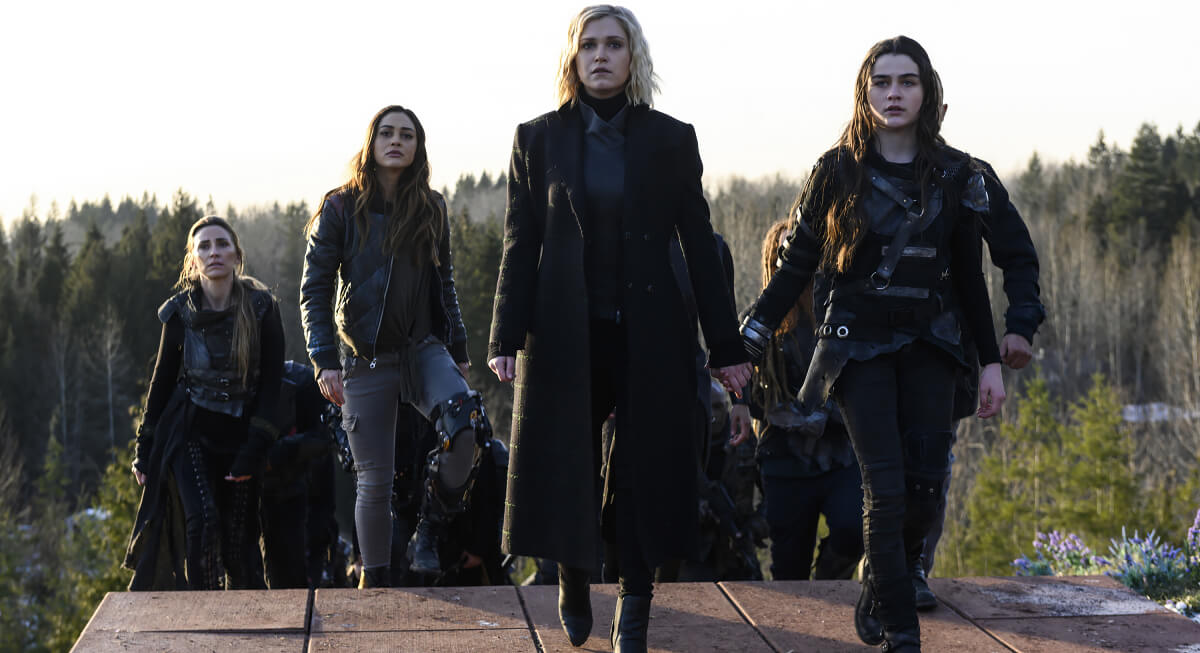
This began as a typical young-adult drama about attractive teens in the forest, but quickly evolved into a brutal political thriller. The early episodes had a “CW” sheen that turned off serious sci-fi fans, but those who stuck around saw the show tackle themes of genocide, leadership, and survival with startling intensity. It is still regarded as one of the darkest and most morally complex shows on television.
Black Sails
Credit: IMDb
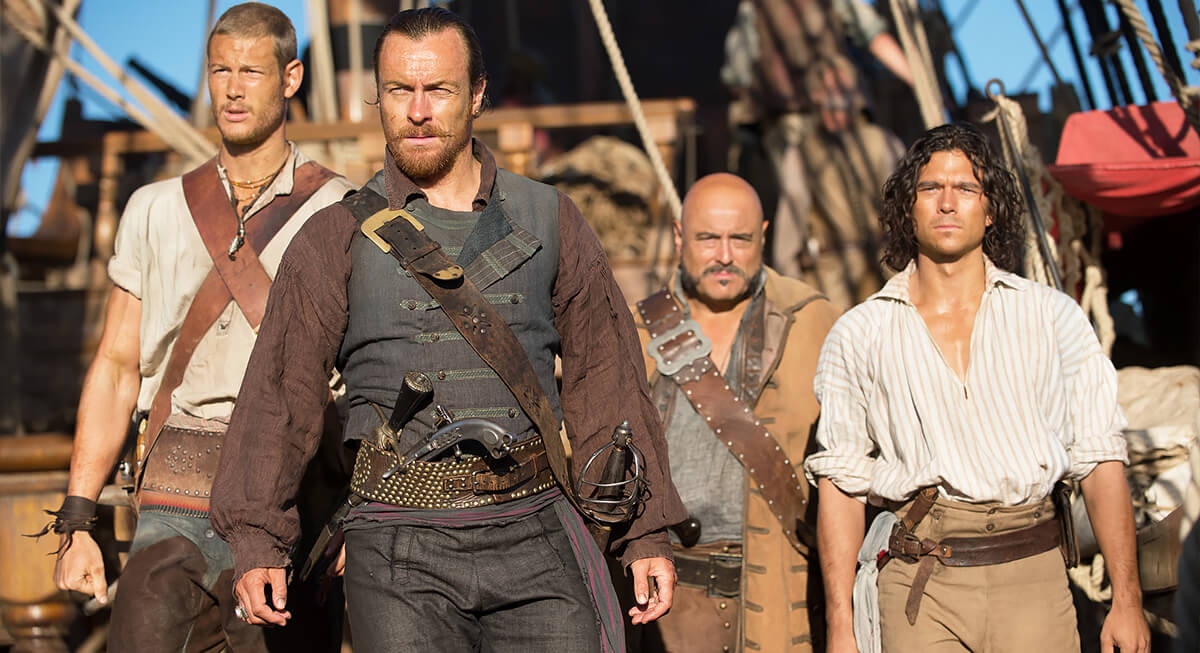
Starz’s pirate prequel initially suffered from a reputation of being more interested in shock value than storytelling. Casual viewers tuned out after a slow start, but the writers were playing a long game. As the seasons progressed, the show transformed into a sophisticated exploration of how history is written and how myths are made. The dialogue turned poetic and the stakes deeply personal. It finished as a tight, four-season narrative that stands as one of the best-written dramas of its decade.
You’re The Worst
Credit: IMDb
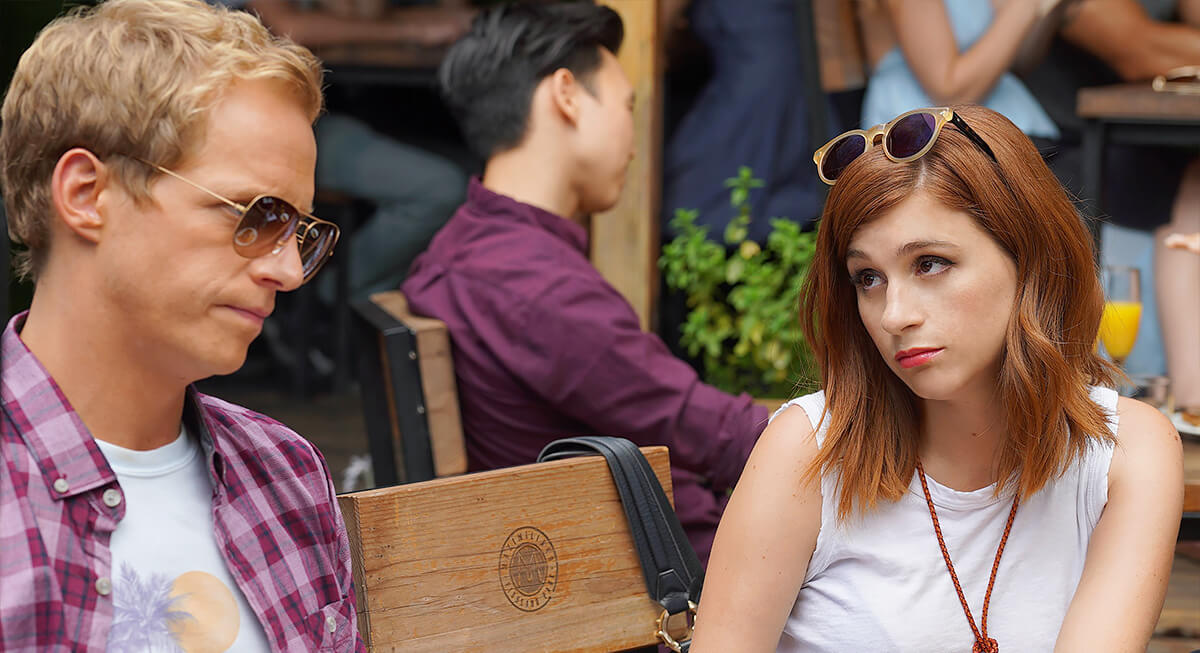
This comedy about two toxic people in love moved to a secondary network early in its run, which usually signals the end of cultural relevance. Instead, the move allowed the creators to dig into heavy topics like clinical depression and veteran life with a level of honesty rarely seen in sitcoms. It remained hilariously cynical while being incredibly empathetic, a balance it maintained until the very last episode.
Community
Credit: IMDb
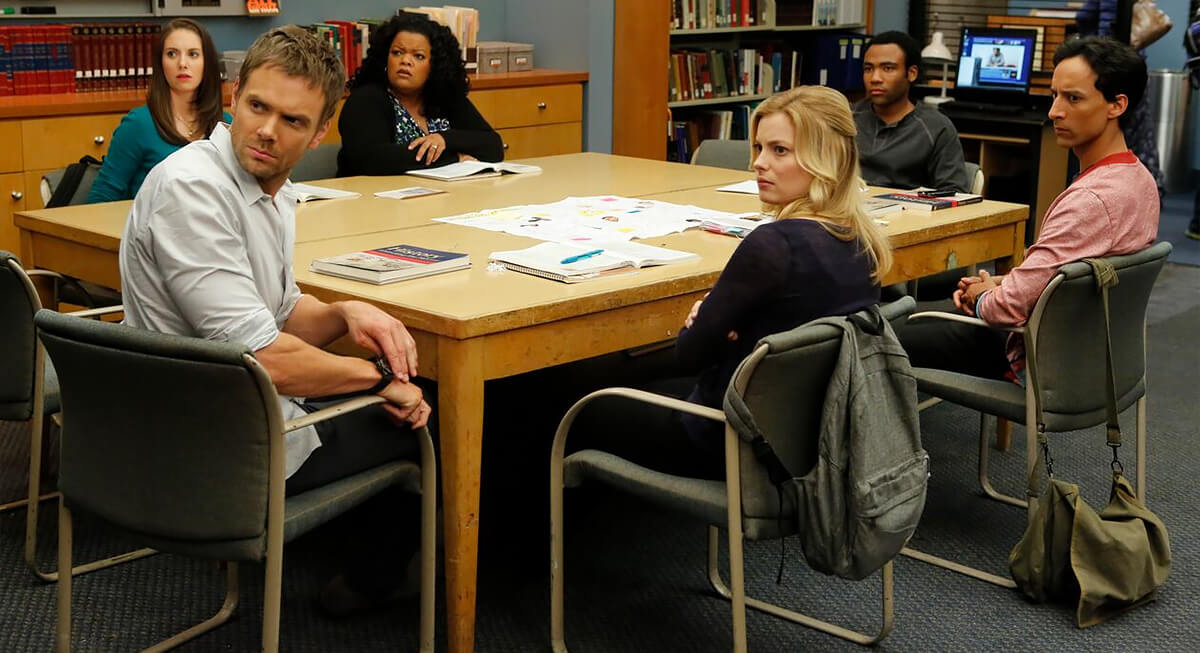
After losing its creator, regaining him, and then getting canceled by its original network, this show moved to a short-lived streaming service for its sixth season. Most fans had checked out during the behind-the-scenes turmoil. Those who followed the show to its final home found a series that was self-reflective and experimental. It took the “meta” humor to its logical conclusion, providing a sense of closure that was both weird and deeply moving.