10 ‘As Seen on TV’ Infomercial Products That Defined Late-Night ’90s Television
At 1:30 a.m. on a fuzzy cable channel, a guy with perfect hair once promised abs in 90 days, a grill that drained fat, and a knife that sliced a tin can like it was deli meat. Late-night TV in the 1990s turned long-form ads into mini shows, and those shows moved serious money. These ten products defined the era when “As Seen on TV” felt like a late-night club with its own language and legends.
Proactiv
Credit: Wikipedia
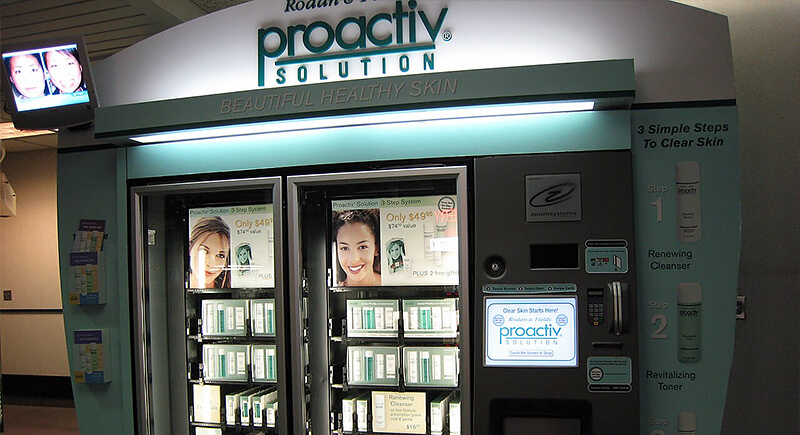
Launched in 1995 through Guthy-Renker, Proactiv was created by dermatologists Katie Rodan and Kathy A. Fields. The first celebrity-backed ad featured Judith Light in 1999, and the formula continued with Alicia Keys, Kendall Jenner, Justin Bieber, Adam Levine, and others. The campaign leaned on testimonials and before-and-after results, which became a staple of late-night programming. The sales proved the pitch worked, with $27.5 million reported in 2021.
P90X

Credit: NARA & DVIDS Public Domain Archive
Tony Horton introduced P90X in 2005, and the workout DVDs turned infomercials into sweat sessions. The program built a following that included NFL quarterback Kurt Warner and political figure Paul Ryan. Annual revenue reached $400 million, which reshaped expectations for what a fitness infomercial could earn. Spin-offs such as Body Gospel and versions for seniors and kids extended the brand beyond the original 90-day pitch.
Total Gym
Credit: Youtube
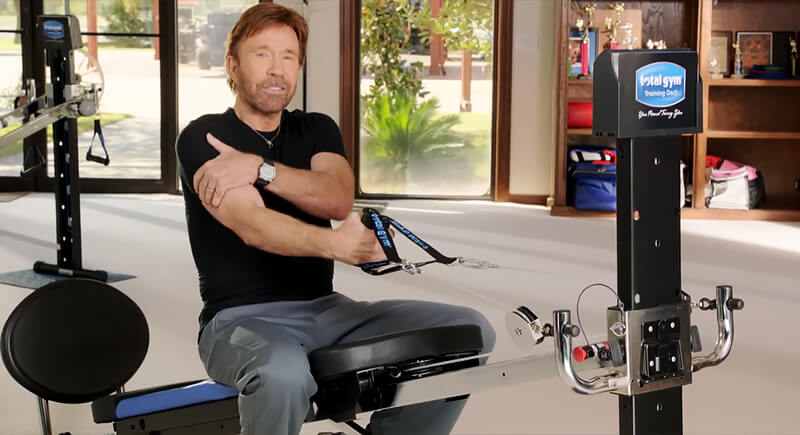
A promise of 10 to 20 minutes a day powered Total Gym’s message. Chuck Norris endorsed the system for more than 30 years, which gave the product long-term credibility on late-night airwaves. The machine offered more than 80 exercises in one setup, which appealed to home users. Sales climbed past $1 billion, confirming that repetition and a familiar face could carry a product for decades.
George Foreman Grill
Credit: ebay
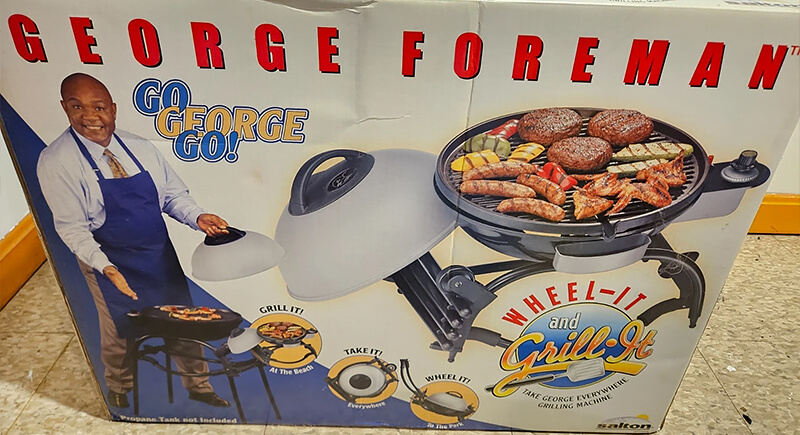
The grill launched in 1994 and quickly became a kitchen staple. George Foreman lent his name and smile to the product, which led to over 100 million units sold worldwide. In 1999 alone, Foreman earned $137.5 million from the deal. The pitch focused on fat-draining design and simple cooking, which made the grill feel like a smart upgrade rather than a gadget.
Bowflex

Credit: Wikimedia Commons
Introduced in 1986, Bowflex leaned on resistance rods and a compact design to sell a full workout at home. More than 2.5 million units were sold to households chasing higher fitness goals. Company revenue hit $193.9 million in 2012, marking a 7.5% increase from the prior year. The ads positioned the machine as a gateway to discovering “inner potential,” which matched the late-night tone of self-improvement.
Ronco Showtime Rotisserie
Credit: ebay
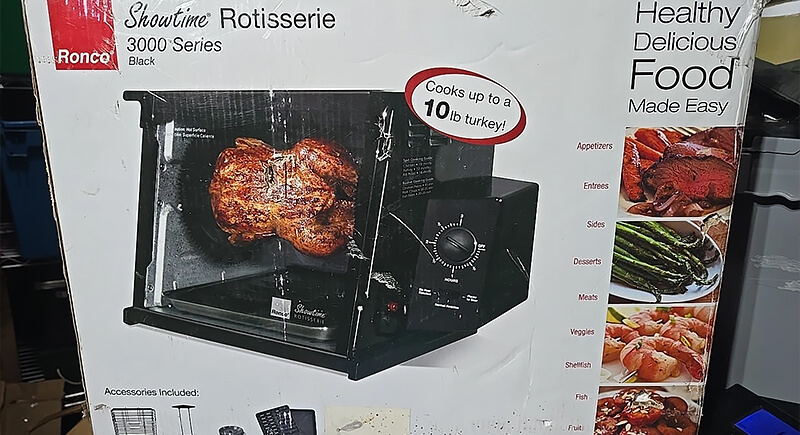
“Set it, and forget it!” became a catchphrase tied to the 1998 launch of the Ronco Showtime Rotisserie. Founder Ronald Popeil built Ronco in 1964, and this product pushed the company into a new revenue tier. More than 2.5 million units sold, and total sales reached $1.2 billion. The infomercial format centered on ease and consistency, which appealed to busy households.
Thighmaster
Credit: ebay
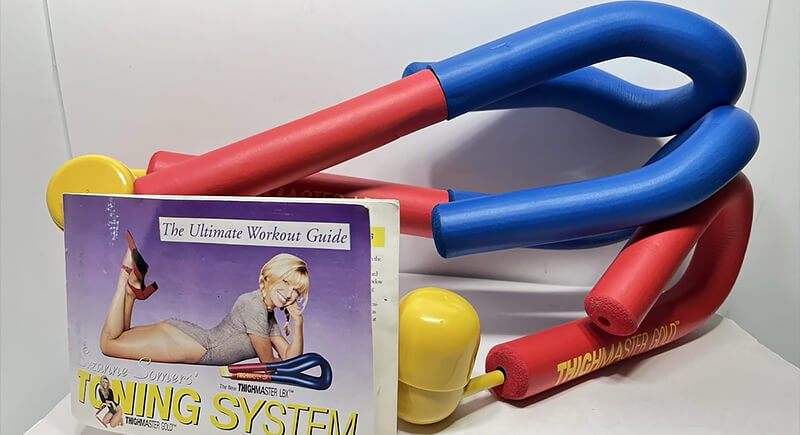
Suzanne Somers turned a simple squeeze device into a cultural moment. The Thighmaster debuted at $19.95 and now lists for $79.99, reflecting its staying power. The ads used testimonials and a doctor figure to support the claims. Revenue surpassed $100 million, and Somers later took full ownership of the product.
Ginsu Steak Knives
Credit: ebay
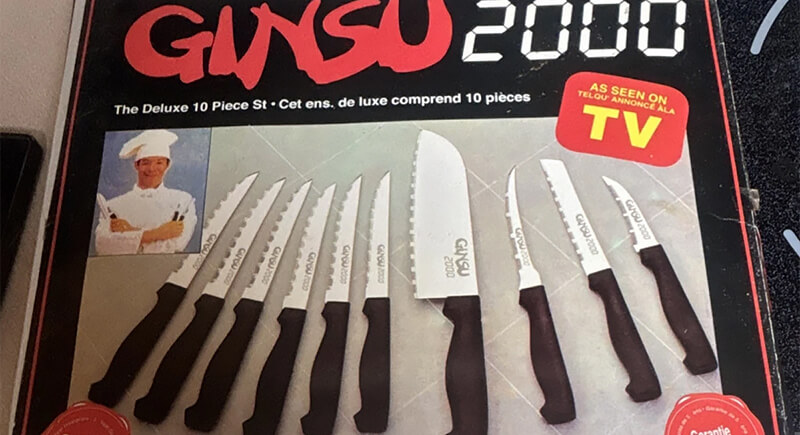
Ginsu knives built their reputation on slicing through a tin can before cutting a tomato cleanly. The product started as a standard knife called Eversharp before Ed Valenti and Barry Becher rebranded it with a Japanese theme. The marketing success became so big that Saturday Night Live parodied it with a Samurai Deli sketch inspired by John Belushi. Valenti later called Ginsu his greatest advertising success.
Magic Bullet
Credit: Wikimedia Commons
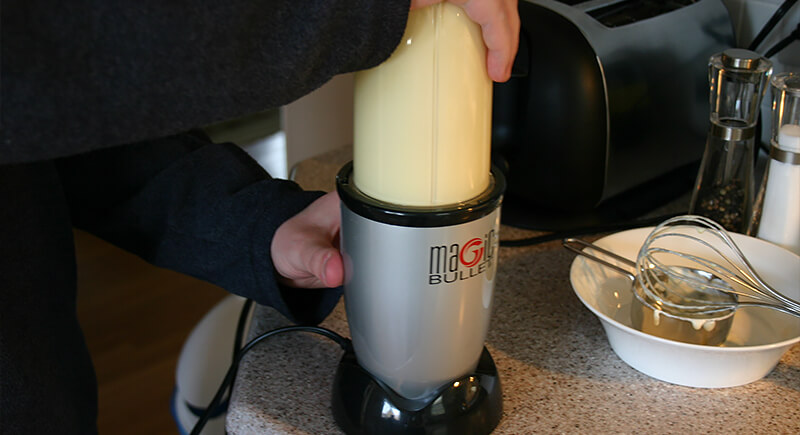
A quirky party scene powered the Magic Bullet infomercial, where guests woke up and blended smoothies in seconds. The $60 device claimed to grind coffee, mix batter, and scramble eggs in about 10 seconds. Nearly $250 million in sales came in just over a year. The storytelling format made the product feel like part of a sitcom episode.
OxiClean
Credit: Wikimedia Commons
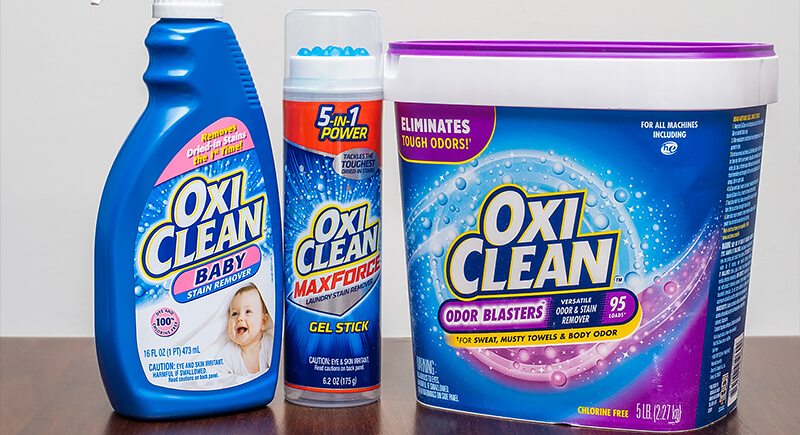
Billy Mays turned stain removal into appointment viewing. The demonstrations showed red wine and coffee stains disappearing in real time, which made the product feel immediate. The ad included Mays’ contact number, reinforcing the direct-response model that defined the era. Decades later, OxiClean still sits on store shelves, proving the late-night formula had staying power.