10 Signs You’re Officially Turning Into Your Parents (And It’s Not So Bad)
Everyone swears they won’t turn into their parents. And yet here you are, turning down the thermostat and genuinely upset about it. Becoming your parents is one of life’s sneakiest transitions. It is gradual enough that you don’t notice until you’re mid-sentence, telling someone to drive safely. If something feels oddly familiar lately, read on.
You’ve Started Saying Their Exact Words
Credit: Canva
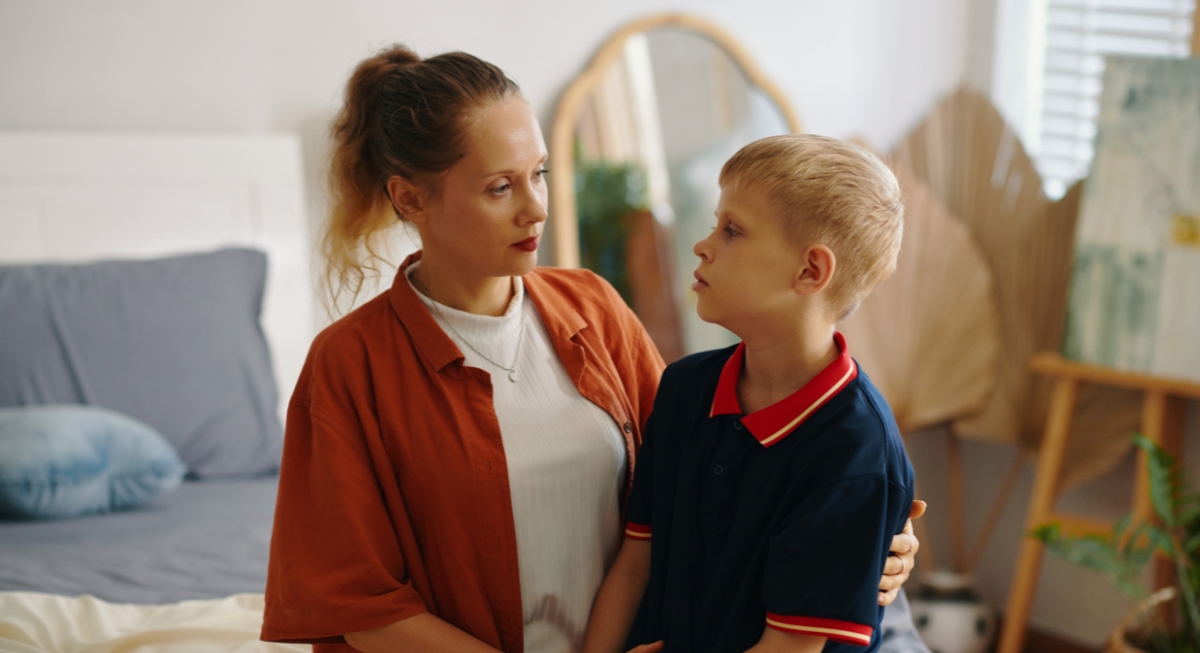
It starts with a phrase or a saying. Then one day, “money doesn’t grow on trees” just falls out of your mouth, and you hear your mother. Children absorb language patterns by watching caregivers interact with other adults. During your childhood, you were filing away everything they said to everyone.
Bedtime Has Quietly Gotten Earlier

Credit: Canva
In college, midnight felt like the intermission of a longer party. When you turn into an adult, 10 p.m. is pushing it. As people age, circadian rhythms naturally shift earlier. Your parents weren’t being boring when they turned in early. They were just running on a slightly different biological clock, and now yours is catching up to theirs.
Bad Puns Have Become a Personality

Credit: Canva
The dad joke is already something you deliberately do and enjoy. Wordplay tends to increase with age because the brain gets better at holding multiple meanings simultaneously. Older adults outperform younger ones on pun recognition tests. So, the next time someone groans at your joke, just know the science is technically on your side.
The Cleanliness of Your Home Affects Your Mood
Credit: Getty Images
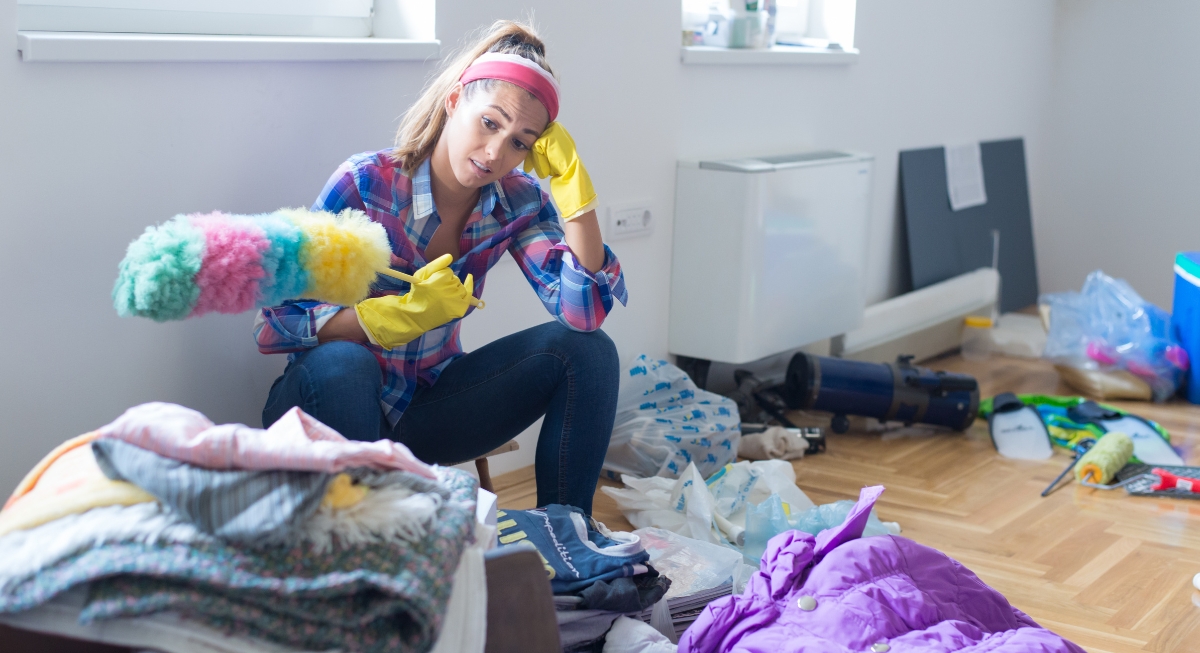
If a pile of dishes can ruin your evening, you have officially arrived at adulthood. Research found that people who described their homes as cluttered had higher cortisol levels throughout the day. You realized your parents were managing their stress through a clean countertop.
You Make People Text You When They Get Home

Credit: pexels
Your friend left twenty minutes ago. You haven’t heard anything. You convince yourself it is fine until you’re already mentally retracing their route. The urge to confirm that people you care about arrived safely is a textbook sign of attachment-based concern, and it tends to amplify with age.
You’ve Gotten Very Selective About How You Spend Your Weekends

Credit: Canva
As you grow, the ideal weekend involves maybe one plan, chosen carefully, confirmed in advance, and plenty of unscheduled hours to do absolutely nothing productive. The events that do make the cut better be worth getting dressed for, because the bar has gone up considerably.
You Actually Read the Safety Ratings

Credit: Getty Images
Cars used to be chosen based on how they looked from the outside and whether the aux cord worked. Now, you’re on a government website cross-referencing crash test scores and checking which trim level has the blind spot monitor. The teenager who thought airbag counts were irrelevant has left the building.
Grocery Shopping Has Become a Whole System

Credit: Canva
There’s a list organized by the store section. Buying something off-list requires a brief internal justification process. Fortunately, routine grocery shopping reduces decision fatigue and leads to healthier food choices.
You Now Understand What They Were Actually Worried About

Credit: Getty Images
As a teenager, the rules felt random, and the concern felt suffocating. Now that you’re on the other side, watching younger people do the exact things you once did is unnerving. Developmental psychologists describe this as a shift in “perspective-taking capacity,” which deepens considerably in adulthood.
You’ve Started Forming Opinions About How Other People Parent

Credit: Canva
You grew up watching a particular style of parenting up close, and it became your internal reference point. The parenting you witnessed shapes your expectations, often more than any advice you’ll later read. That’s why when a kid throws a fit at a restaurant, your brain assembles a whole assessment.