Top 10 Unproduced Screenplays
Plenty of great screenplays never make it to the screen, no matter how impressive the talent or ideas behind them. Some get stuck in development, while others fizzle out after hype dies down. These unmade scripts still circulate through film circles as what-could-have-beens. People pass them around, talk about them, and sometimes treat them like hidden classics. Even years later, they keep raising the same simple question: why did this never get made?
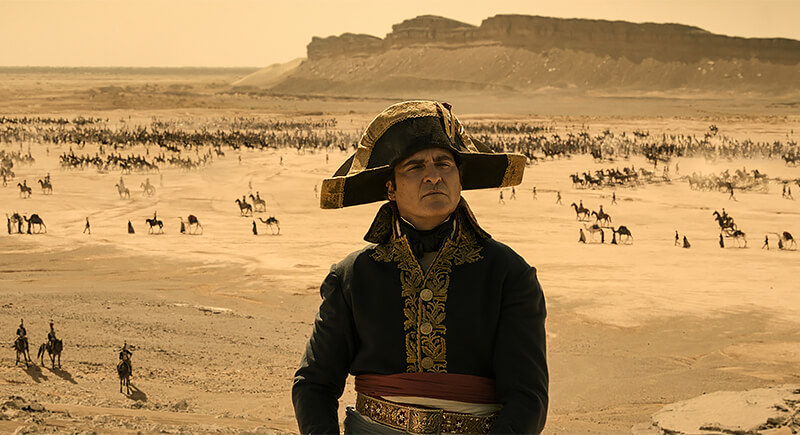
Napoleon by Stanley Kubrick
Credit: IMDb
Kubrick spent years planning his epic biopic on Napoleon Bonaparte, going so far as to track the leader’s daily schedule. Thousands of index cards and extensive costume research were all in place. However, MGM backed out after another Napoleon film flopped. Pieces of it later resurfaced in Barry Lyndon, but the full movie never saw the light of day.
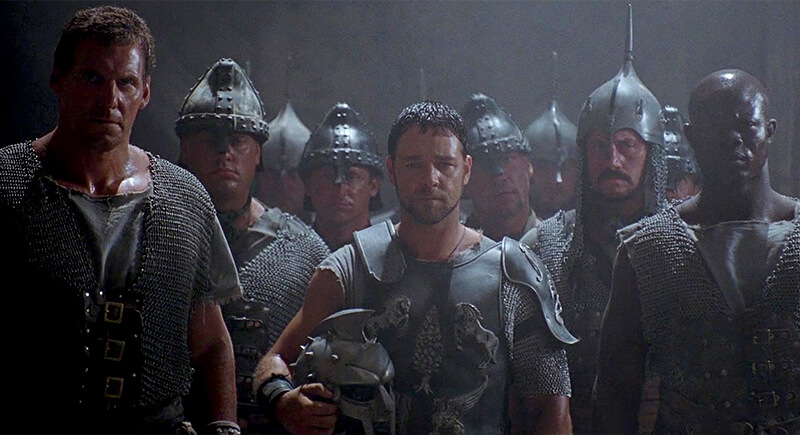
Gladiator 2 by Nick Cave
Credit: IMDb
Maximus dies at the end of Gladiator, but Nick Cave’s sequel still brought him back. Russell Crowe would have fought through the afterlife before being reincarnated for future battles. The idea proved too unconventional, and DreamWorks passed. The script never moved forward, but it became a cult curiosity.
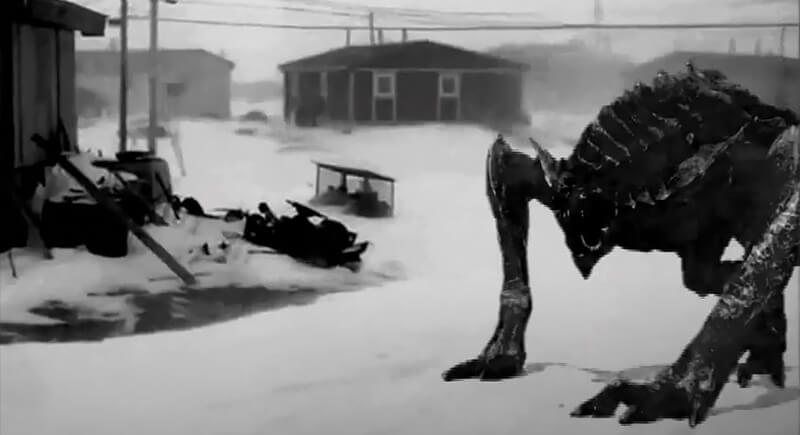
At the Mountains of Madness by Guillermo del Toro
Credit: IMDb
Adapting H.P. Lovecraft’s chilling Antarctic horror story seemed like a perfect match for del Toro. Tom Cruise was in talks to star, and James Cameron had signed on to produce. But the studio didn’t want an R-rating, and Prometheus hit theaters with a similar tone. That combo stalled everything.
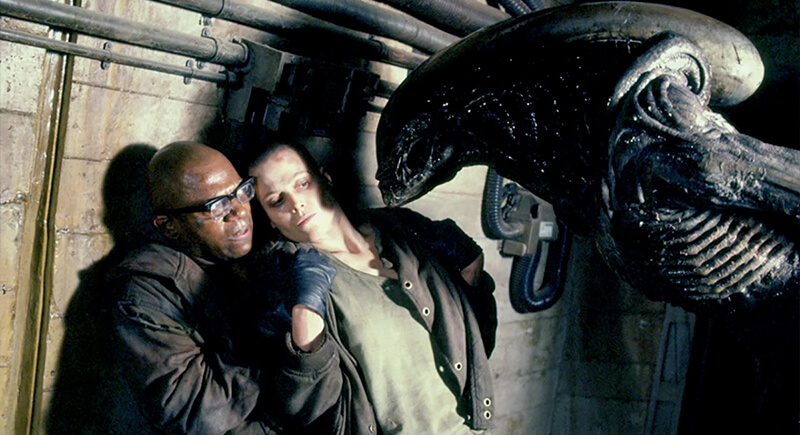
Alien III by William Gibson
Credit: IMDb
Before Alien 3 became the bleak film fans got, cyberpunk author William Gibson wrote a very different version. His script made Hicks the main character and sidelined Ripley. The story leaned heavily into politics and sci-fi body horror. Producers didn’t bite, and the studio moved on. Years later, the unused screenplay was adapted into a comic and an audio drama.
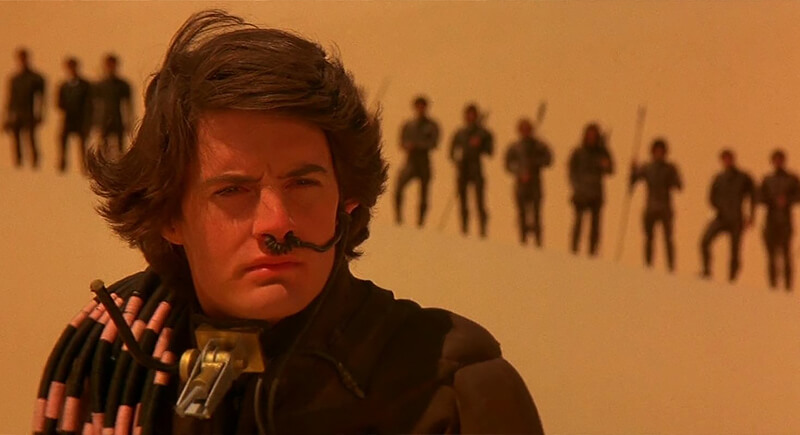
Dune by Alejandro Jodorowsky
Credit: IMDb
In the 1970s, Jodorowsky planned a Dune adaptation that would’ve lasted 14 hours. Salvador Dalí was supposed to play the Emperor, and Pink Floyd was supposed to provide the music. The budget spiraled out of control, and no studio would fund it. Still, the concept art and storyboards influenced sci-fi films for decades—including Star Wars and Blade Runner.
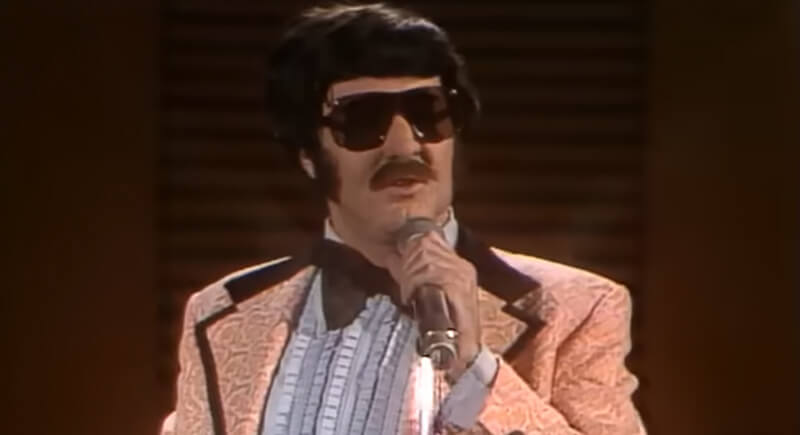
The Tony Clifton Story by Andy Kaufman and Bob Zmuda
Credit: Youtube
Tony Clifton, the fictional and obnoxious lounge singer created by Andy Kaufman, was set to headline his own movie. The script was surreal, featuring Kaufman as himself, Clifton as a separate person, and layers of performance art. Studios didn’t know what to do with it until the screenplay was quietly shelved.
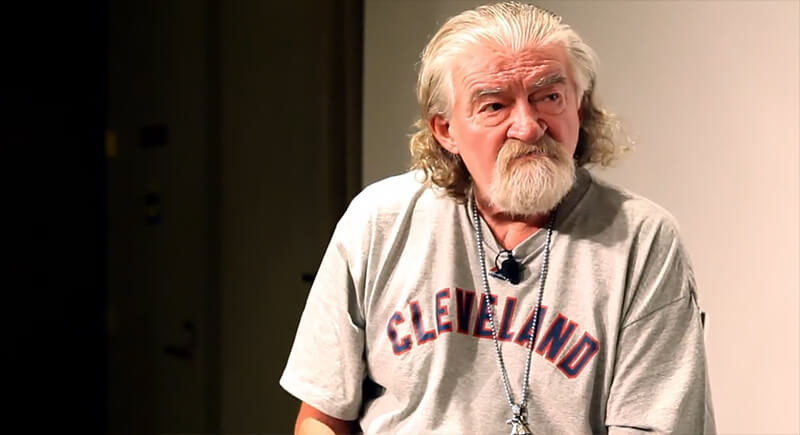
Sacred Cows by Joe Eszterhas
Credit: Youtube
Right after the wild success of Basic Instinct, Eszterhas sold Sacred Cows to MGM for $2 million. The plot? A U.S. President gets caught in a scandal involving a cow. It was supposed to be a biting satire, but enthusiasm faded fast. Despite interest from big directors, it was never produced.
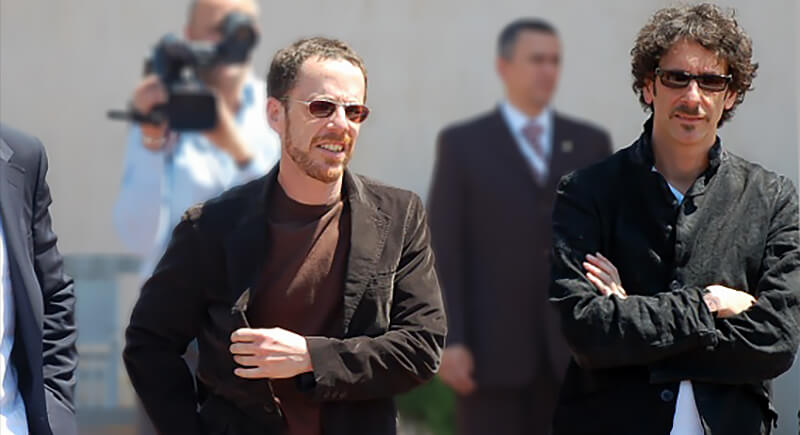
To The White Sea by Joel and Ethan Coen
Credit: Wikimedia Commons
The Coen brothers adapted the novel about a WWII offender who crashes in Tokyo and must survive alone. The dialogue-free script impressed readers with its stripped-down brutality. Brad Pitt was attached, but studios worried it wouldn’t sell. The Coens moved on, and To The White Sea became a top-shelf “what if” among fans of their darker material.
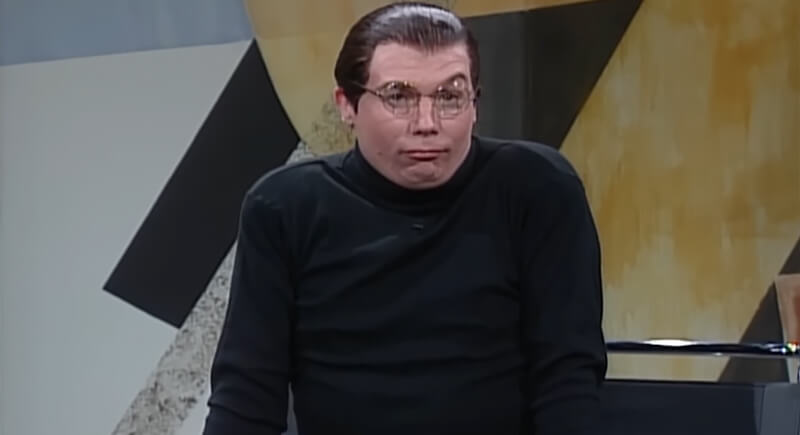
Sprockets by Mike Myers and Michael McCullers
Credit: Youtube
Based on Myers’ Saturday Night Live character Dieter, this surreal comedy had the German art host searching Los Angeles for his lost monkey. David Hasselhoff was cast as his ratings rival. Myers bailed at the last minute, unhappy with the script, and Universal sued him for millions.
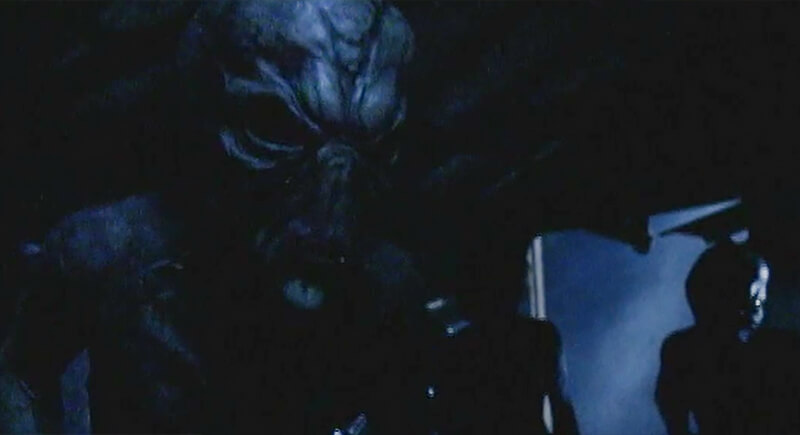
Night Skies by John Sayles
Credit: IMDb
The project began as a darker follow-up to Close Encounters of the Third Kind, telling the story of a family trapped in their home by violent aliens. Steven Spielberg changed course after showing the script to Melissa Mathison, who suggested a more emotional approach that became E.T. the Extra-Terrestrial. Ideas from Night Skies later appeared in Poltergeist, Gremlins, and other 1980s films he produced.