Top Gun Director Tony Scott Paid $25K to Keep Aircraft Carrier to Film That Iconic Intro
Tony Scott once found himself racing against the sun on the deck of a Navy aircraft carrier, trying to capture a shot he knew would set the tone for Top Gun. The crew had only a narrow slice of time when the light looked right, and the ship was already preparing to change course. Scott didn’t want a polished studio version of takeoff sequences. He wanted the real thing, with the heat, the noise, and the movement that sailors experience every day. That pressure pushed him to make a snap decision that ended up becoming part of the movie’s legend.
Real Planes, Real Pilots, Real Pressure
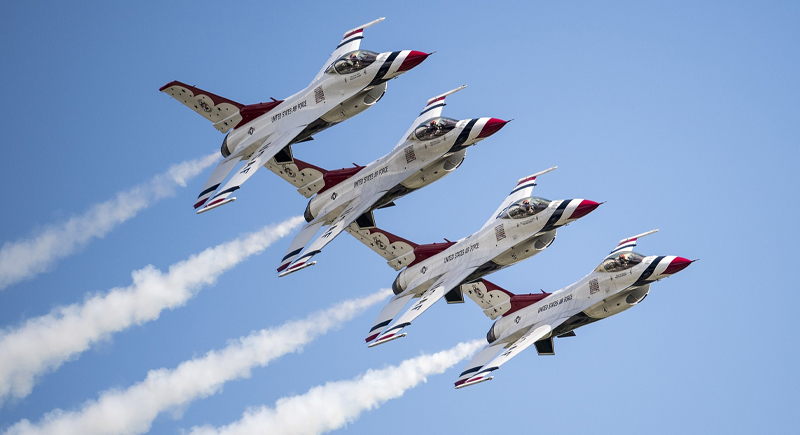
Image via Wikimedia Commons/Staff Sergeant Jason Couillard
The production shot aboard the USS Enterprise, a fully active aircraft carrier with its own schedule and responsibilities. Scott favored realism down to the smallest detail. The crew paid the Navy for access to equipment and locations, and actual F-14 squadrons appeared in the film. Pilots flew training patterns while the camera crew found ways to capture angles never seen on screen.
Scott and his team mounted cameras in unconventional spots, including under the belly and wings of aircraft and in the cockpit on an A-6 Intruder. Grumman Aircraft developed special mounts to enable the cameras to withstand the speed and pressure of actual flights. These setups gave the film its signature sense of motion, letting audiences feel the strain of every turn.
The Lighting Crisis
While filming on the carrier, Scott became fixated on a specific backlit shot of jets launching with the sun glowing behind them. He believed that light created the energy the opening needed. As the crew prepared, the carrier changed course, and the sun shifted, wiping out the effect he loved.
Scott asked the commanding officer if the ship could turn back. The captain explained that altering course carried a $25K cost attached to fuel and logistics. For a few minutes of the right light, that number would have discouraged most directors. Scott didn’t pause. He wrote the check to get the ship back into position.
The Few Minutes Paid Off
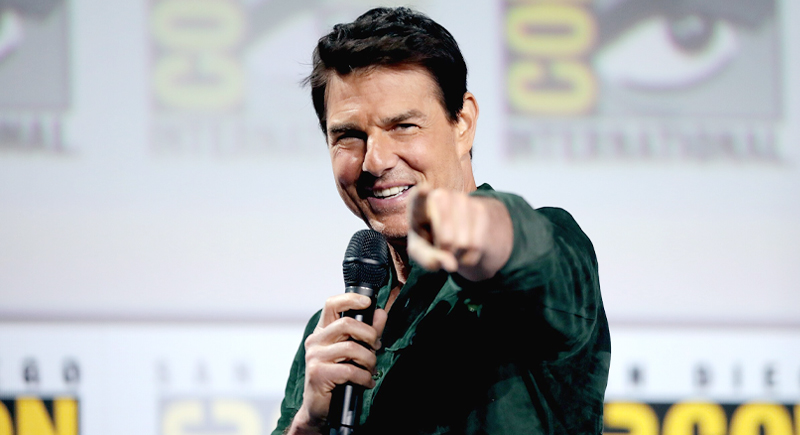
Image via Wikimedia Commons/Gage Skidmore from Peoria, AZ, United States of America
Those minutes bought Scott the exact shot he wanted. The sequence became the film’s iconic intro, setting the tone long before Maverick zipped into frame. It captured the grit, heat, and rhythm of naval aviation. That clip helped define Top Gun as more than a standard action film. It placed audiences inside the culture and mechanics that inspired the story.
The gamble fits with how the rest of the cast tackled preparation. Tom Cruise shadowed pilots at Miramar in San Diego. He observed instructors, watched how they handled stress, and studied their movements during drills. Kelly McGillis did her own research, meeting Christine Fox, whose work at the base later led to an influential role in the Department of Defense. Their time with real personnel shaped the attitude and tension that played out on screen.
A Film Built On Detail
The crew didn’t rely on soundstage shortcuts. The Navy provided real jets, real bases, and real training routines. Filming also took place at NAS Miramar, NAS Oceana, and Naval Air Station Fallon in Nevada, for additional sequences. The production paid roughly $1.8 million for the use of aircraft, carriers, and on-base locations. Pilots cost about $7.6K an hour, but the team believed the realism justified the expense.
That split-second decision on the USS Enterprise didn’t just create a great shot. It symbolized Scott’s approach to the entire film. He wasn’t chasing flashy moments. He wanted audiences to feel the environment that shaped Maverick, Iceman, the instructors, and the crews on deck. The shot he fought for became the perfect introduction to that world and a memorable opening in blockbuster history.