This is How Often You Should Replace Your Smoke Detectors
Smoke detectors barely make a sound in most homes, so it’s easy to forget they have a lifespan at all. Even though they look sturdy, the sensors inside grow less dependable over time, and each unit comes with a clear window for when it should be replaced.
As the years pass, dust, moisture, and everyday residue settle into the device and slowly affect how well it works. The real question becomes how to tell when an alarm has moved past the point where you can trust it to do its job.
How Long A Smoke Detector Lasts
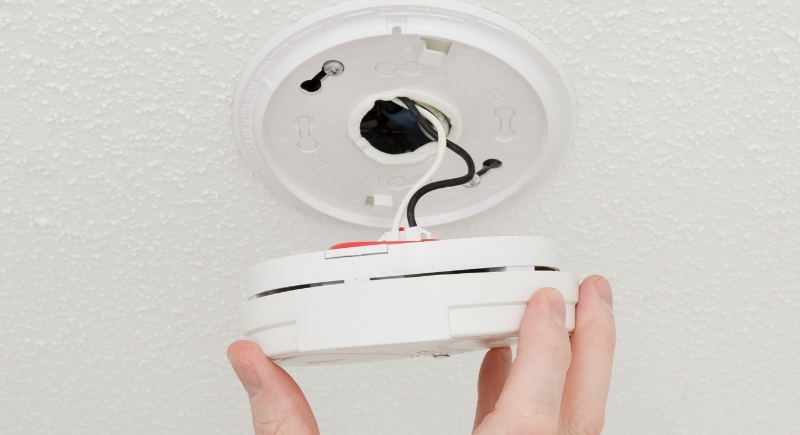
Image via Getty Images/Kevin Brine
Most models come with a ten-year limit set by manufacturers and supported by fire safety groups. Flip the alarm over and you’ll see the manufacturer’s date stamped on the back.
Your detector’s lifespan ends once it reaches the decade mark. Replacement becomes the safer choice because the internal components have reached the end of their dependable range.
Inside the alarm, the sensor faces slow and steady wear. Dust from cooking, moisture from showers, and general household particles drift in over the years. All those tiny bits gather in the sensing chamber and influence how quickly the device reacts.
Aging electrical parts add another layer of decline, since corrosion and wear naturally appear over time. An alarm may still beep on command during a test, yet respond with less accuracy during a real event once these changes set in.
Battery Schedules Work On Their Own Timeline
Different detector types follow different battery rules. Traditional smoke alarms with replaceable batteries need new ones every six months. Hardwired units rely on a backup battery with the same schedule so they can function during outages.
Sealed ten-year alarms work differently. Those models use a built-in lithium battery that lasts for the entire life of the device. No battery swaps are needed at all, because the whole unit gets replaced once it reaches the ten-year point. Monthly testing applies across every category to make sure the alarm still responds as intended.
Early replacement makes sense when an alarm behaves unpredictably during tests or chirps without any battery issue in play.