This Is How Much Each Part of a NASA Spacesuit Costs
If you saw a price tag for a pair of gloves that cost as much as a high-end suburban home, you’d probably assume it was a typo or internet rage-bait. But when those gloves are the only thing keeping your blood from boiling in a vacuum, the math changes. Viral breakdowns sometimes assign high price tags to individual components for spacesuits, but NASA does not typically price them that way, since most costs come from integrated systems and long-term development.
The truth is that a NASA spacesuit isn’t “clothing” in any sense we understand. It’s a human-shaped spacecraft. NASA’s current fleet of Extravehicular Mobility Units (EMUs) was largely developed decades ago, and when you adjust those original contracts for inflation and modern safety requirements, the cost per suit is staggering, often estimated between $11 million and $12 million.
Why A Spacesuit Costs So Much
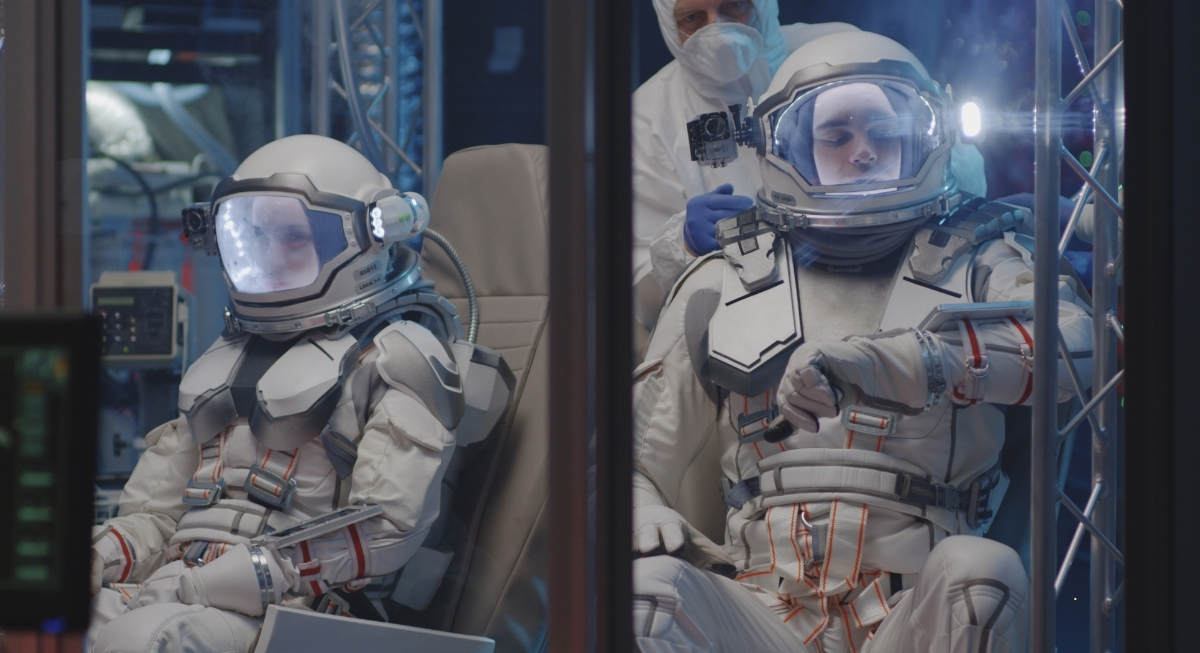
Image via Getty Images/EvgeniyShkolenko
The reason these suits carry such a heavy price tag comes down to the environment. Space is a literal nightmare for the human body. In orbit, temperatures can swing dramatically between extreme heat in direct sunlight and extreme cold in shadow. This requires suits to carefully regulate an astronaut’s temperature at all times.
Aside from the temperature issue, there is no atmospheric pressure to keep you alive, and you’re essentially a target for radiation and microscopic space dust traveling faster than a bullet. Most of the money is spent on the engineering required to make that fabric move. You have to pressurize a suit so an astronaut can breathe, but a pressurized suit becomes stiff like an over-inflated balloon.
The Helmet And Visor
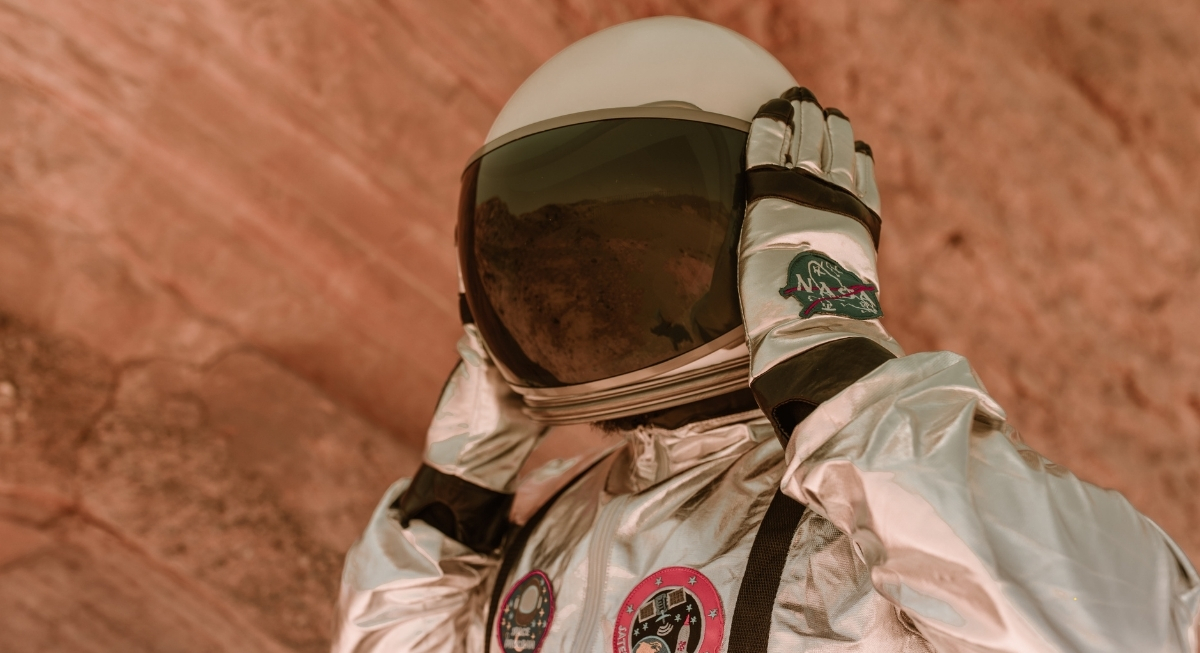
Image via Pexels/RDNE Stock project
The helmet features a thin layer of gold plating on the visor because gold is incredibly effective at reflecting solar radiation and heat while remaining transparent.
The assembly also contains the communication headset and a complex vent system to keep the visor from fogging up. When you factor in the pressure seals and impact-resistant polycarbonate, the “hundreds of thousands” estimate for the headpiece is likely quite conservative.
Gloves That Do The Heavy Lifting
Gloves are arguably the most complex part of the outfit. Imagine trying to fix a delicate circuit while wearing thick oven mitts, then imagine those mitts are inflated and trying to force your hands open.
These gloves are built with multiple layers, heating elements, and carefully engineered joints to balance protection with flexibility in a pressurized environment. Since every astronaut has different hand proportions, these are often custom-fitted.
The Torso And Life-Support System

Image via Canva/Oneinchpunch
The Hard Upper Torso (HUT) is a rigid fiberglass vest that acts as the mounting point for the arms and the helmet. It connects directly to the life-support backpack.
This backpack is a miniature version of a room-sized life support grid, scrubbing carbon dioxide, regulating oxygen, and pumping cooling water through a network of tubes worn against the astronaut’s skin.
Legs, Boots, And Movement
The legs and boots are far from basic. The boots are designed with heavy insulation and high-traction soles to protect astronauts during spacewalks and provide stability on spacecraft surfaces.
The leg sections use specialized bearings at the knees and ankles to ensure that even under high pressure, an astronaut isn’t stuck in a permanent standing position.
Why The Prices Feel All Over The Place
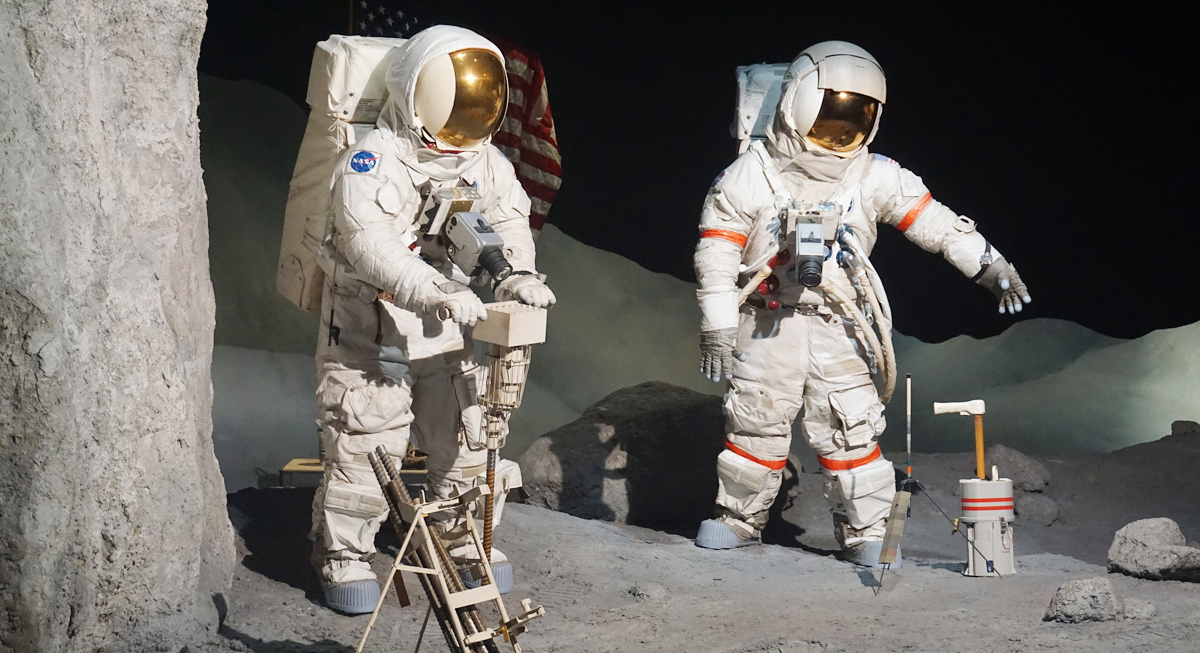
Image via Wikimedia Commons/Michael Barera
You’ll see different prices because NASA doesn’t buy these parts off a shelf. The costs include decades of safety testing and one-off manufacturing.
They’re paying for the certainty that not a single stitch will fail. When you look at it as a life-insurance policy for the most hostile environment known to man, the multimillion-dollar price tag starts to look like a bargain.