This Chef Performed a Miracle to Restore a Woman’s Mother’s Last Cooked Meal
Grief often settles into everyday things, the kind you don’t expect. It can live in a snapshot tucked behind a frame, a note written in fading ink, or a scent you catch when opening an old container. In one Tokyo home, it lived inside a modest pork dish that never reached the dinner table. The woman at the heart of this story carried one quiet worry: losing the memory of how her mother cooked.
On the day her mother collapsed and later died after a stroke, they had agreed on pork porridge for dinner. That dish was already prepared. Out of instinct, and maybe disbelief, she and her father sealed it in a container and placed it in the freezer.
The years stretched on with the meal frozen. Opening it meant confronting a memory that never softened. Yet the passage of time only made the meal more important, not less. It was the last tangible link to a ritual that once defined their evenings around the table.
Science Steps In Before Emotion Takes Over
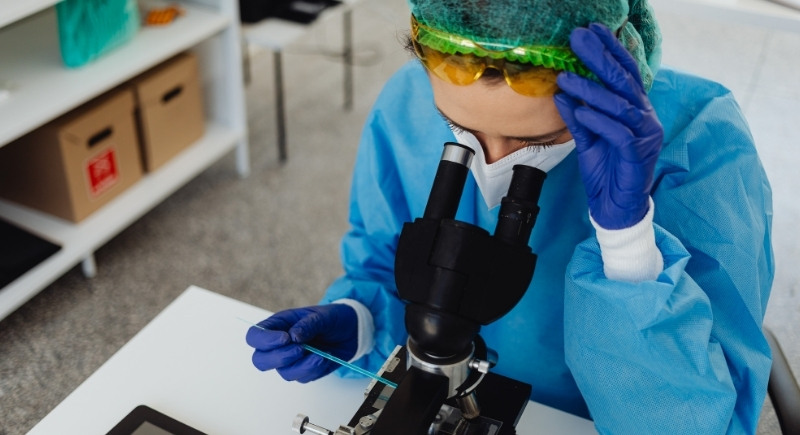
Image via Pexels/Karola G
When the family finally felt ready to take the next step, they refused to let emotion outpace safety. The meal was sent to a laboratory to determine if it could still be consumed after being stored in a deep freeze for half a decade.
Experts explained that high temperatures would be essential. The porridge would need to be heated above 212°F, the equivalent of 100°C, and eaten in small portions. Under those specific conditions, the dish could move out of the realm of memory and back into something real.
The Chef Who Took On an Impossible Task
At that point, a chef stepped in. The porridge, once soft and comforting, had turned rock-solid. Its original texture was buried under years of ice. Instead of attempting to modernize or redesign it, the goal was simple and nearly impossible: respect what had been cooked and bring it back as close to its original state as possible.
Using a pressure cooker and careful timing, the chef slowly brought it back to life. Fresh ginger and green onions were added, not to change the dish, but to restore the balance it once had. The result looked closer to a restaurant dish than to the frozen block it had been just hours earlier, yet its purpose never shifted. It was still her mother’s meal.
The First Bite That Brought Everything Back
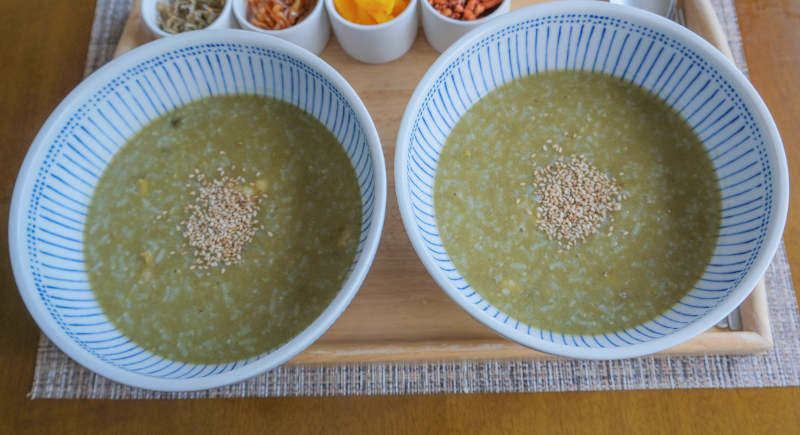
Image via iStockphoto/Graypink
When father and daughter finally sat down in front of it, the room was silent. They didn’t rush. The first small bite carried an entire history. Her reaction came quickly: the taste was exactly as she remembered. The flavor had stayed loyal to the past.
Tears followed as a natural release. Even the chef, standing nearby, broke down after watching them reconnect with something that was thought to be gone forever. That moment was about memory, family, and the fragile way love exists after loss.
What makes this moment so powerful isn’t the technology, the technique, or even the emotional television footage it inspired on a Japanese variety show. It’s proof that the most ordinary things can carry extraordinary meaning. A freezer, a bowl of porridge, and a decision between mother and daughter before a normal school day. These details, stitched together by time and care, turned into something that felt almost like a second goodbye.