This Bride Turned Her Husband’s WWII Parachute Into a Dress and It Is Beautiful
A wedding dress usually begins with fabric and fittings, but this one had a very different origin rooted in World War II. A pilot survived a damaged aircraft using a silk parachute, and years later that same material was carefully transformed into his bride’s wedding gown. The dress was modest and thoughtfully made, shaped by circumstance rather than fashion, and it remains memorable because of the history it carried into the ceremony.
A Parachute That Meant Survival
In August 1944, Major Claude Hensinger was flying a B-29 bomber during a mission when the aircraft caught fire. He and his crew were forced to bail out. His nylon parachute opened in time, slowing his fall and helping him survive the descent. After landing, the same parachute helped keep him warm while he waited to be rescued.
Claude kept the parachute after returning home. It was more than military equipment, as it represented a moment that changed the course of his life.
Turning Nylon Into a Wedding Gown
When Claude proposed to Ruth Hensinger after the war, the parachute came back into the story in an unexpected way. Fabric was still difficult to obtain in the late 1940s, and nylon was a prized material. Ruth decided to use the parachute as the foundation for her wedding dress.
She carefully cleaned and prepared the fabric, then worked with a local seamstress, Hilda Buck, to bring the design together. Ruth handled much of the sewing herself, especially the skirt.
The bodice and veil were professionally made, while the parachute cords were repurposed to form the train. The design drew inspiration from the flowing gowns seen in the film Gone with the Wind, which had left a lasting impression on her.
A Wedding Day With Deeper Meaning
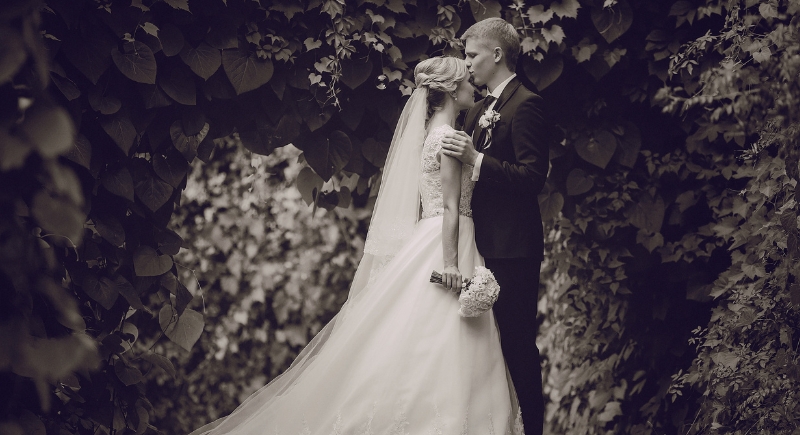
Image via Canva/Helgy
The couple married on July 19, 1947, in Pennsylvania. On the surface, Ruth’s dress looked elegant and in step with the fashion of the time. Beneath that appearance was a layer of meaning few gowns could match.
Every panel of fabric traced back to the moment that made the wedding possible in the first place.
The dress did not mark the end of its story that day. It was later worn again by their daughter and by their son’s bride, extending its role across generations before it was finally retired.
Preserved as American History
Eventually, the Hensinger family donated the dress to the Smithsonian, where it is preserved as part of the National Museum of American History’s collection.
Today, it stands as a reminder of postwar resourcefulness, personal sacrifice, and the way ordinary objects can take on extraordinary meaning. The gown is admired for its craftsmanship, but it is remembered for its origin. It shows how survival, love, and practicality came together at a moment when people were rebuilding their lives after the war.