Things You Did Not Know You Should Replace Regularly
It’s easy to assume that if something still works, it’s fine to keep. But the truth is that many everyday items slowly lose effectiveness long before they look worn out. Here are 10 household staples that deserve a spot on your replacement radar.
Plastic Food Storage Containers
Credit: Canva
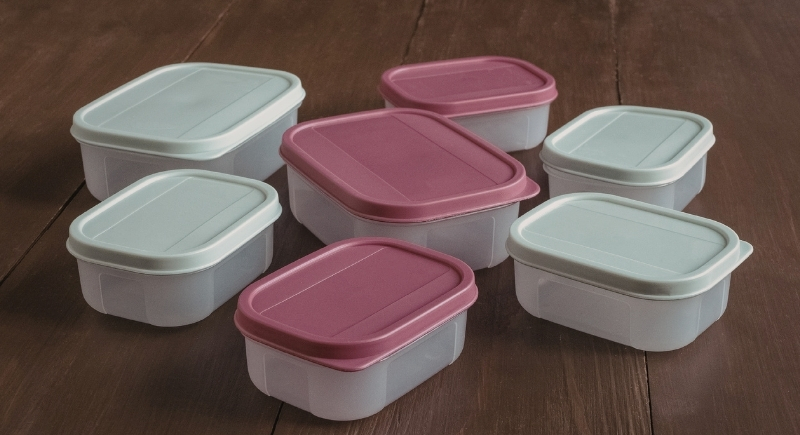
Scratched or stained plastic containers can be dangerous since the deep knife marks and cloudy surfaces can harbor bacteria. Organizing professionals often recommend switching to glass for longevity. Pay attention to rubber gaskets as well. Once they stretch or trap odors, airtight seals weaken.
Pillows
Credit: Canva
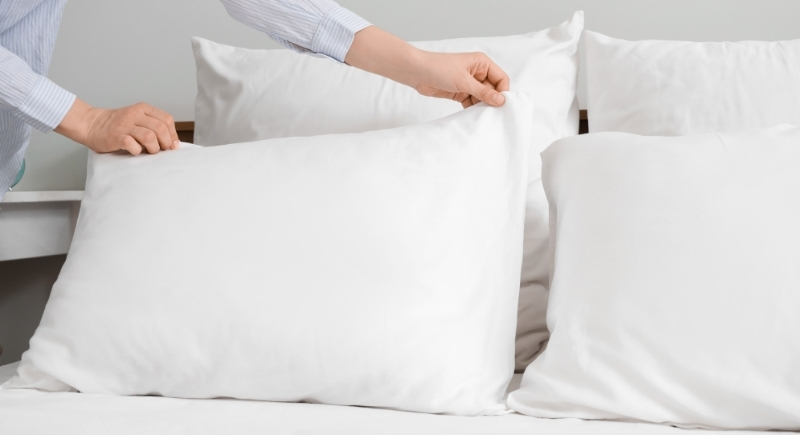
Pillows flatten gradually, so the decline is easy to miss. Sleep experts recommend swapping them every one to two years. Over time, pillows collect body oils and dust mites. A quick test helps: fold the pillow in half. If it stays folded instead of springing back, it has likely lost the support your neck needs.
Sunscreen
Credit: Canva
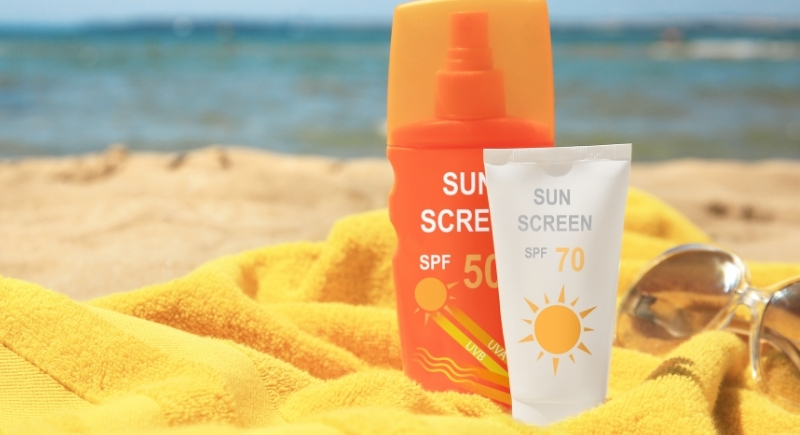
A half-used sunscreen bottle can be forgotten in the drawer for years. The U.S. Food and Drug Administration requires sunscreen to remain stable for at least three years, and many brands print expiration dates. Without one, count three years from purchase. Heat also breaks down active ingredients, so a bottle stored in a hot car may fail sooner.
Kitchen Sponges
Credit: Canva
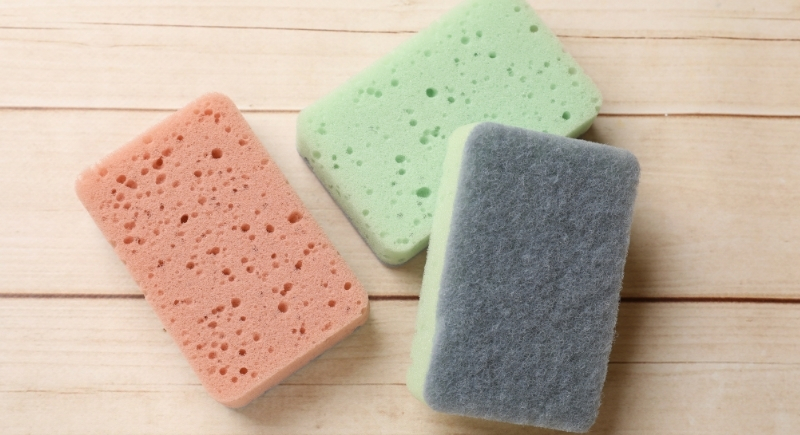
A 2017 study published in Scientific Reports identified dense microbial growth in used kitchen sponges. Boiling or microwaving them reduces some germs, but it doesn’t sterilize them. Cleaning experts suggest replacing sponges weekly. If it smells sour or feels slimy, it has overstayed its welcome.
Toothbrush Holders
Credit: Canva
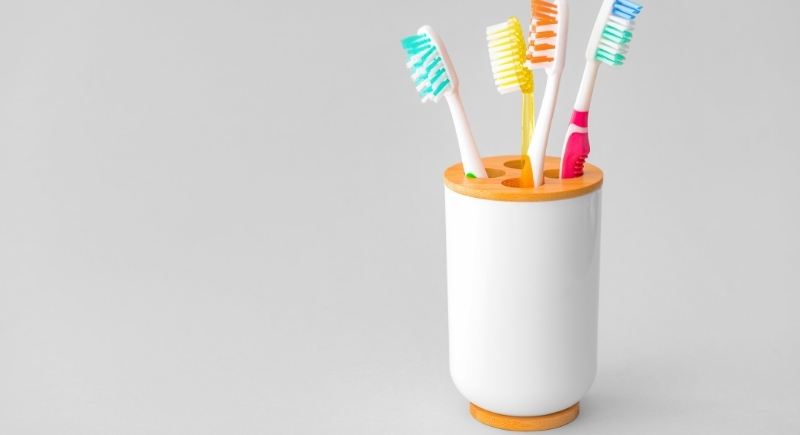
Even if toothbrushes get attention every few months, the holder remains the most neglected part of the bathroom. Cleaning experts advise washing the holder weekly and replacing it about every six months. Persistent odors or visible residue inside the base signal that bacteria have settled into hard-to-scrub crevices.
Mascara
Credit: Canva
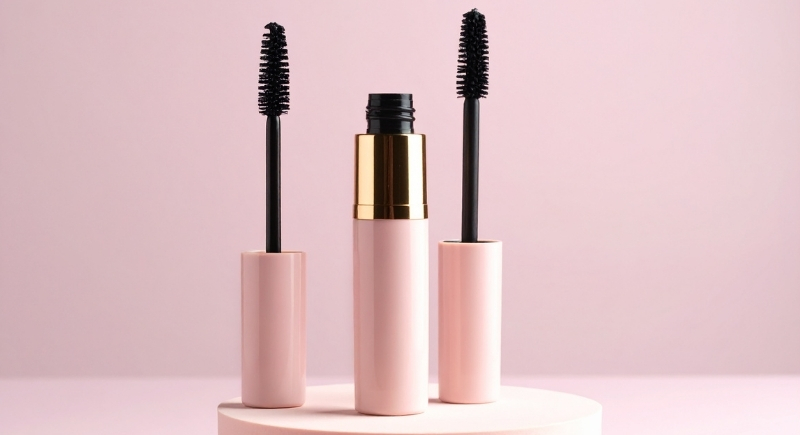
Mascara has one of the shortest lifespans in a makeup bag. The Mayo Clinic notes that mascara and liquid eyeliner are generally safe for about three months. Bacteria transfer from lashes into the tube with every use. Adding water to revive dried mascara introduces more microbes and shortens its safe window.
Hairbrushes
Credit: Canva
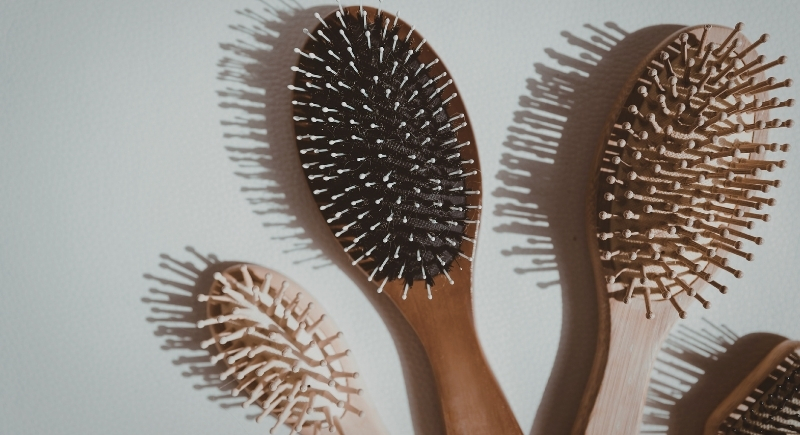
A hairbrush can give rise to product buildup and scalp oils. Dermatologists have noted that dirty brushes can irritate the scalp and redistribute residue onto clean hair. Many recommend replacing a brush every six to twelve months.
Bras
Credit: Canva
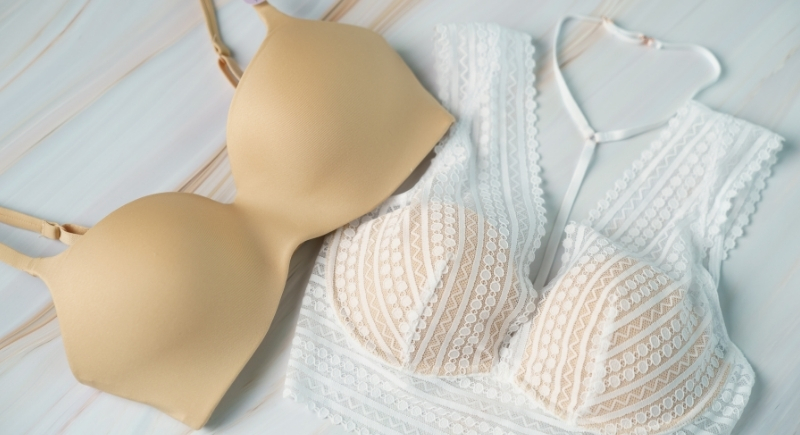
Frequent wear breaks down elasticity faster than most realize. Textile experts at the Good Housekeeping Institute suggest replacing heavily worn bras every six months to a year. Straps that no longer stay snug and bands that ride up the back indicate a loss of support. Rotating several bras helps extend their life, but once the structure shifts, comfort and fit decline quickly.
Contact Lens Cases
Credit: Canva
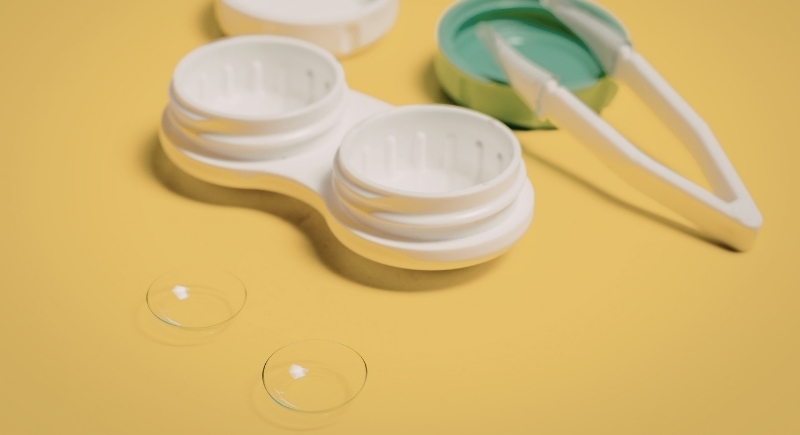
Contact lens wearers often focus on replacing lenses and solutions, but the storage case deserves equal attention. Microscopic scratches inside the wells create spaces where bacteria thrive. Rinsing with fresh solution and air-drying daily helps, but once the plastic clouds or feels slimy, a new case is the safer choice.
Shower Curtain Liners
Credit: pexels
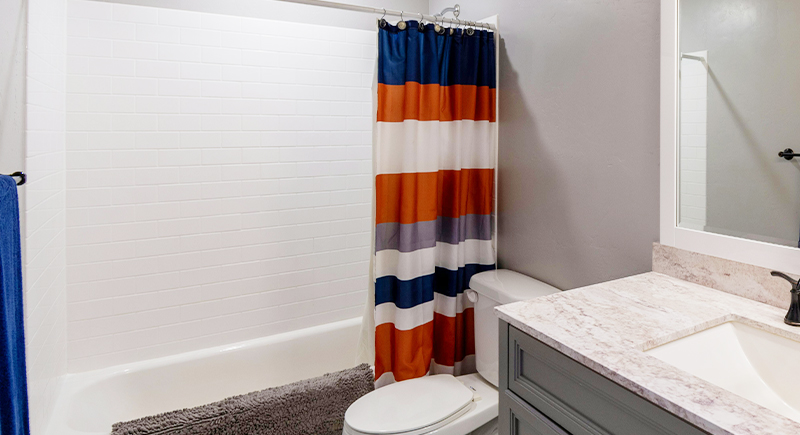
Shower liners are placed in a damp environment daily. Their folds trap soap residue and moisture, creating conditions for mold growth. Experts often recommend replacing plastic liners every 6 to 12 months. Washing can extend their life, but stains that remain after laundering indicate mildew has set in.