10 Things You Should Never Flush Down the Toilet
The modern toilet works on simple physics and smart engineering, but most people rarely think about what happens after the handle is pushed. Wastewater systems are designed to handle human waste and toilet paper, which is engineered to break apart quickly in water. Anything else risks clogging pipes, damaging sewer systems, and sending pollutants into rivers and oceans. Here are 10 everyday items that should never take that swirling trip.
Wet Wipes
Credit: Getty Images
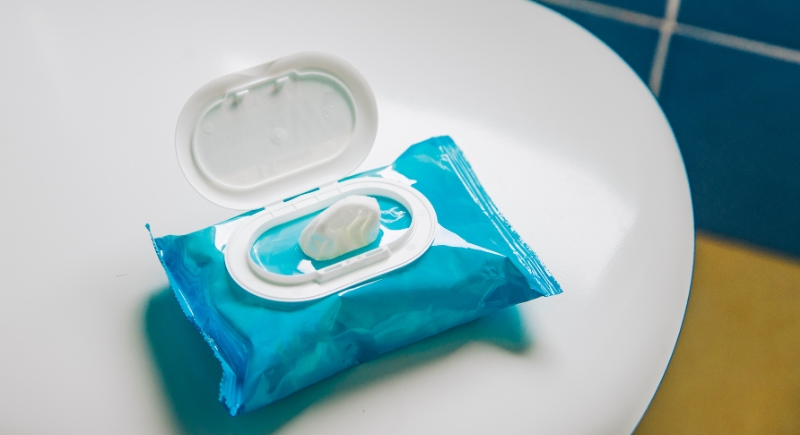
The package may say flushable, biodegradable, or plastic-free, but wipes do not break down like toilet paper. Wastewater experts report that wipes are a leading cause of massive sewer blockages known as fatbergs. When wipes catch on bends or joints inside pipes, they form barriers that trap other debris. Enough buildup can trigger sewage backups into homes. Municipal systems spend millions of dollars removing these clogs.
Paper Towels
Credit: Canva
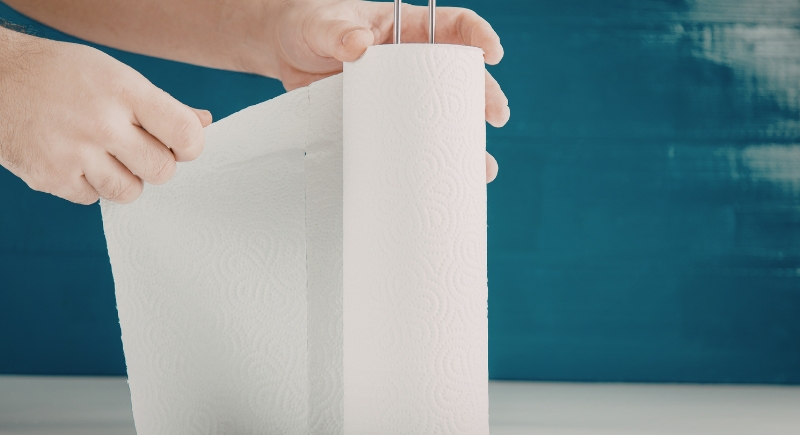
Paper towels feel similar to toilet paper, but they are built for strength and absorbency. The durability keeps them intact long after a flush. Plumbers explain that paper towels can travel partway down the system before lodging deep in the piping. Once stuck, they create a foundation for future blockages.
Hair Clumps
Credit: Getty Images
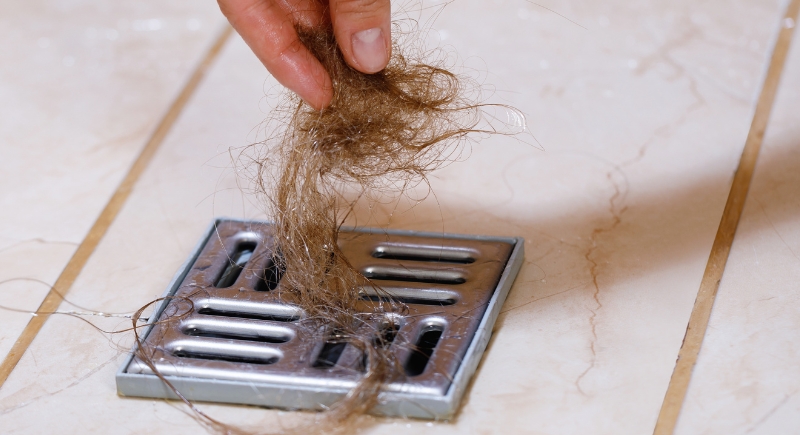
Hair pulled from a shower drain might look harmless in small amounts. In pipes, hair acts like a net that traps grease and soap residue. Over time, that tangled mass grows thicker with each flush. Even a modest buildup can slow drainage. Large clogs formed by hair often require mechanical removal.
Dental Floss
Credit: Canva
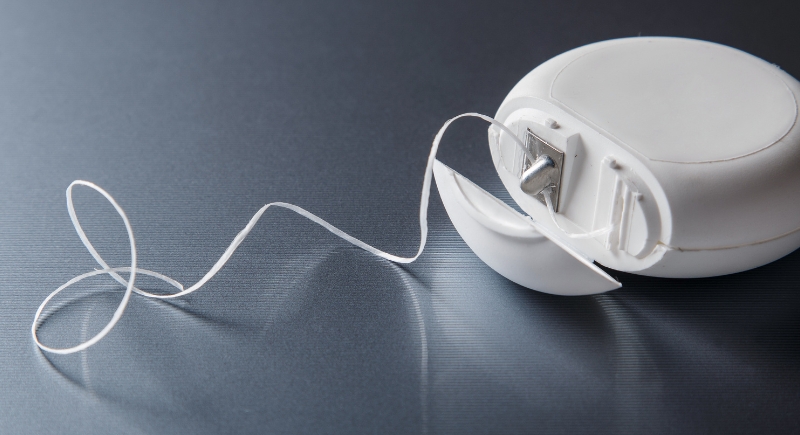
Dental floss is thin, but it’s made from tough materials like nylon or Teflon. These fibers do not dissolve in water. Once floss snags inside a pipe, it can trap other waste behind it. The result resembles a dam that grows stronger as more debris collects. Septic systems can suffer motor damage when these tangled masses form.
Food
Credit: Getty Images
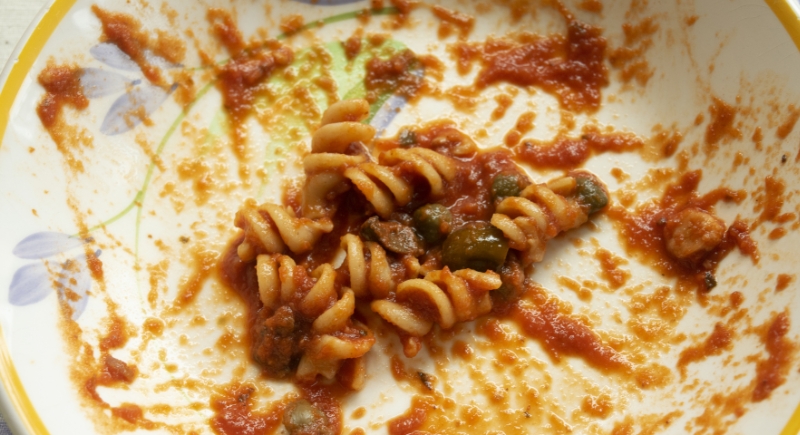
Leftover pasta or rice may seem soft enough to disappear, but starchy foods expand in water. Fats and oils from the food cool and solidify inside pipes. Hard scraps such as bones or cores can also wedge into narrow sections. Food waste in toilets increases the risk of sewage backups. Plumbing systems are not designed to function as garbage disposals.
Tampons
Credit: Canva
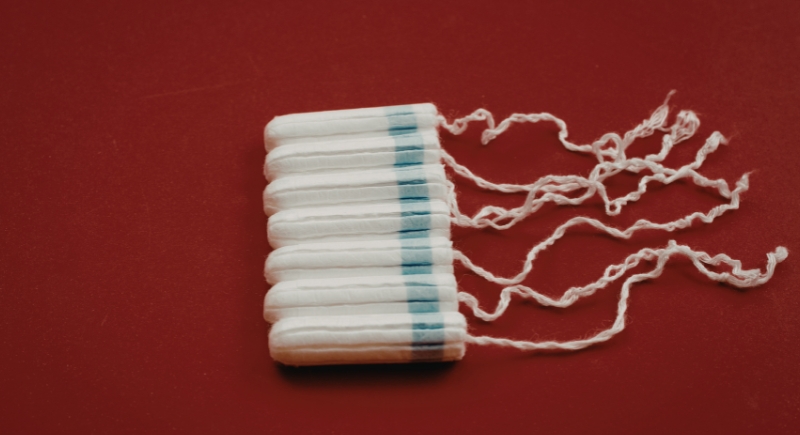
Sanitary products are designed to expand when exposed to moisture. Their expansion can completely block plumbing lines. Moreover, many tampons contain synthetic materials that do not biodegrade in sewer systems. Accumulated products contribute to sewer overflows and environmental contamination.
Fat, Oil, Or Grease
Credit: Getty Images
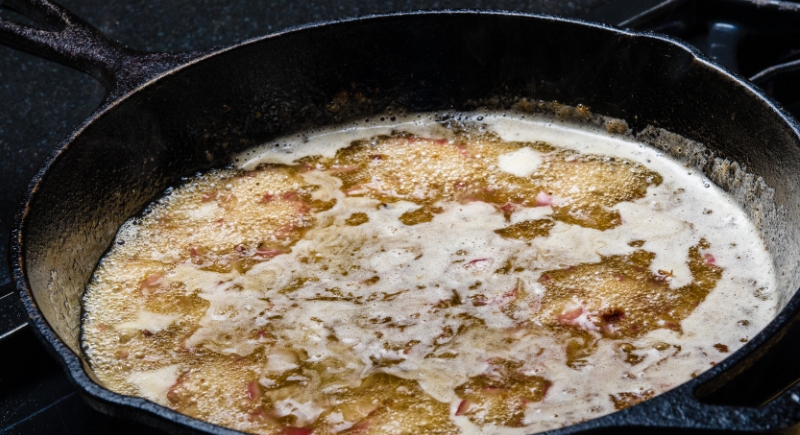
Hot grease hardens as it cools. Once solid, it sticks to the pipe walls and narrows the water passage. Grease can bind with wipes and other debris, forming fatbergs. Cities regularly remove grease clogs weighing several tons.
Medication
Credit: Getty Images
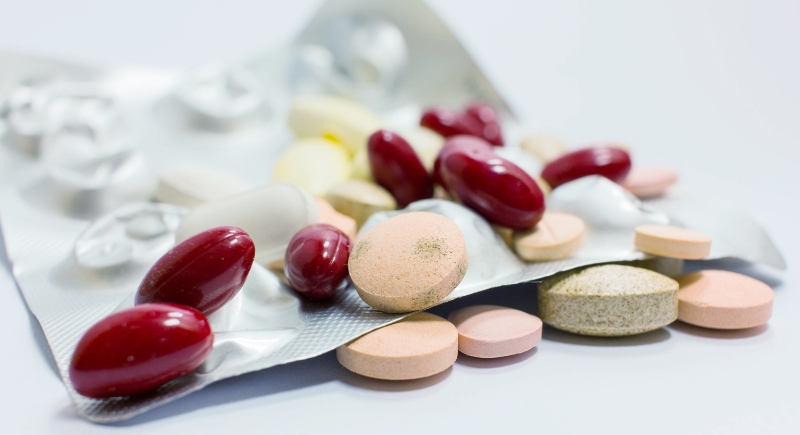
Flushing expired pills sends pharmaceutical chemicals into wastewater. Treatment plants cannot fully remove many of these compounds. Residues have been detected in rivers and even drinking water supplies. Aquatic life is particularly vulnerable to chemical exposure. Pharmacies offer safer disposal options for unused medicine.
Cat Litter
Credit: pixelshot
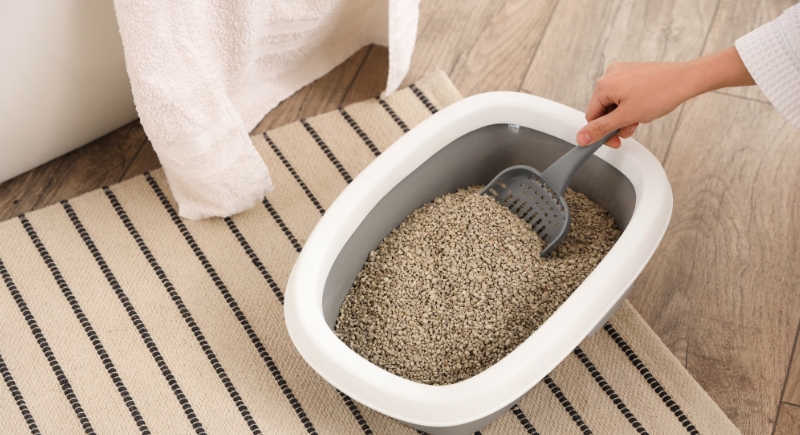
Many litters expand and harden when wet, which creates an immediate blockage risk. Cat feces may also carry Toxoplasma gondii, a parasite that survives wastewater treatment. Once in waterways, the parasite can harm marine animals, including sea otters. Even products labeled flushable can clog pipes. The toilet is not built to process granular waste.
Toys And Foreign Objects
Credit: Getty Images
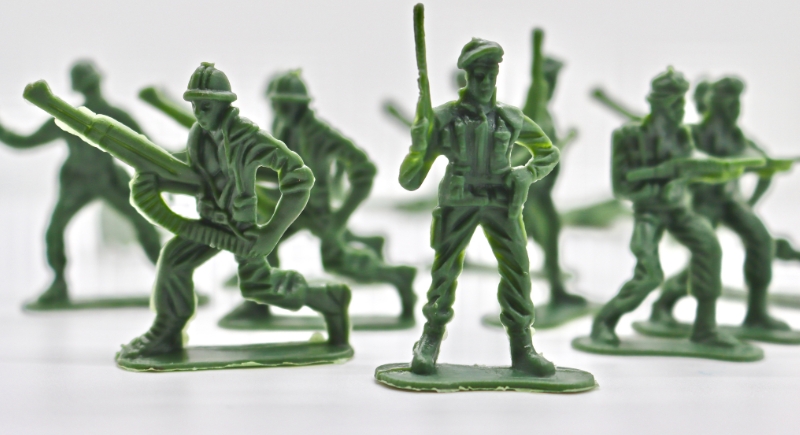
Plumbers frequently retrieve toy soldiers, figurines, and even bars of soap from toilets. Hard objects do not break down and often require removing the toilet to access them. In one case, soap had to be physically cut out of plumbing to restore flow. Children are especially prone to flushing objects out of curiosity.