Things That Experts Say Will Probably Happen by 2050
Looking a few decades ahead has always been risky business. Forecasts often miss the biggest surprises. Still, scientists and economists attempt it because patterns in today’s world reveal useful clues about tomorrow. The next 25 years could reshape transportation, medicine, entertainment, and even education. Here are several developments experts say are very likely to take shape by 2050 if current trends continue.
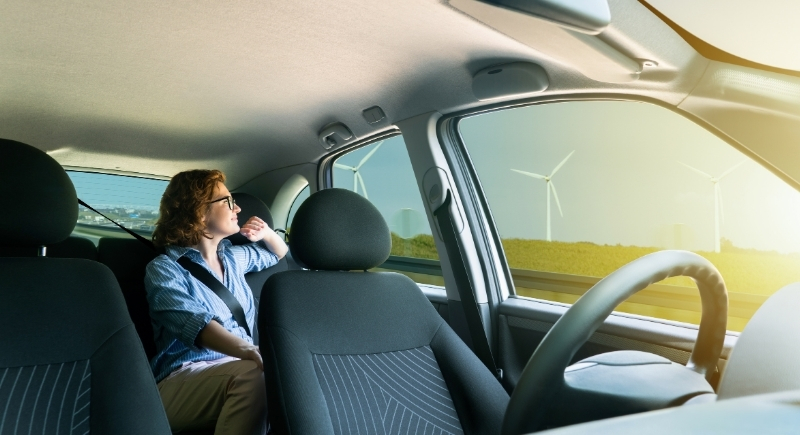
Driverless Cars Become Normal
Credit: Getty Images
Transportation researchers expect autonomous vehicles to move far beyond today’s early trials. Companies like Waymo already operate limited robot taxi services. By mid-century, improved sensors and vehicle-to-vehicle communication could allow cars to travel extremely close together at high speeds. Traffic signals may disappear on many roads.
Esports Overtake Traditional Sports

Credit: Wikimedia Commons
Competitive gaming already fills arenas and attracts global streaming audiences. Industry analysts expect the scale to grow enormously as internet access expands and younger generations favor digital competition. Prize pools for major tournaments now reach tens of millions of dollars. By 2050, esports leagues could draw larger audiences than most physical sports.
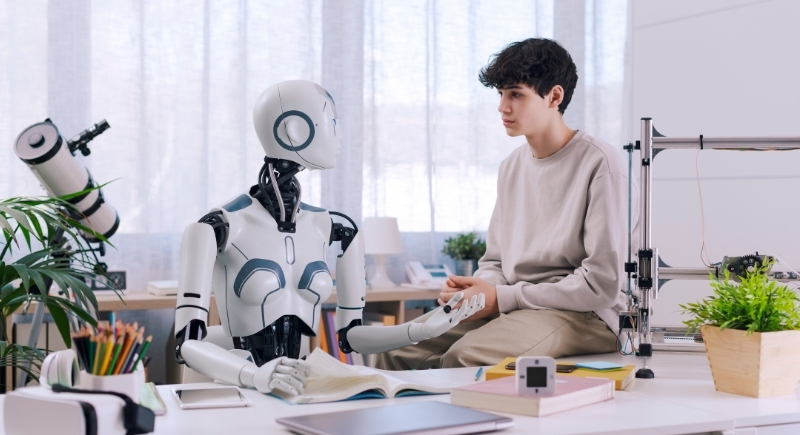
AI Teachers Personalize Education
Credit: Getty Images
Future learning systems may analyze student performance in real time and adjust lessons instantly. Some suggest that children could spend more time in interactive simulations rather than reading static materials. Lessons might even adapt to individual learning styles.
The Line Between Humans And Machines Blurs
Credit: Canva
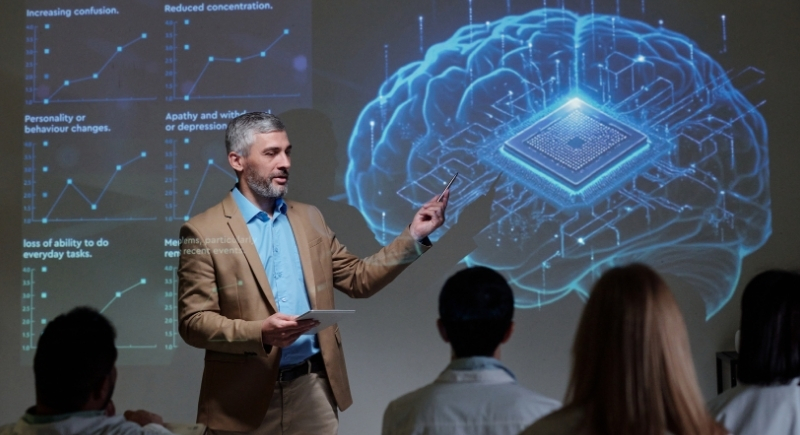
Scientists studying nanotechnology and cybernetics expect medical implants to become far more common. Tiny devices could monitor blood chemistry or assist damaged nerves. Professor Kevin Warwick has already experimented with neural implants that allow the brain to control machines. Similar technology may eventually treat neurological conditions or restore lost movement.
Virtual Meetings Replace Video Calls
Credit: Getty Images
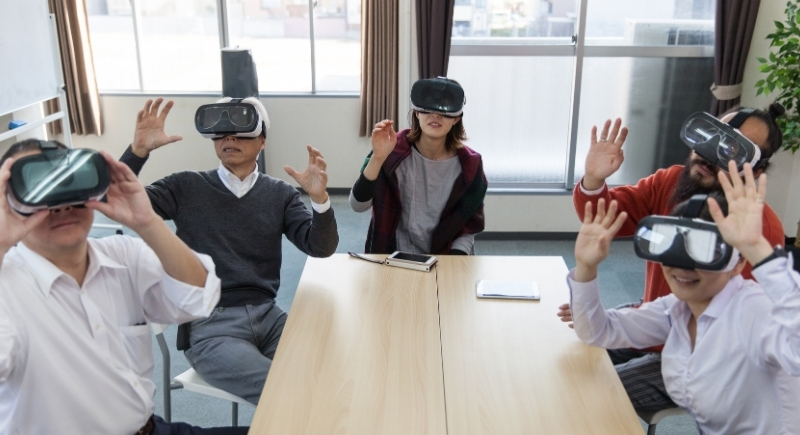
Video calls solved many communication problems during the pandemic era. Researchers expect the next step to move meetings into three-dimensional digital environments. Virtual reality headsets already allow users to gather around simulated conference tables. Future versions could project lifelike avatars that mimic gestures and eye contact. Technology writers often joke that Zoom may eventually resemble Myspace.
Electric Cars Dominate The Roads
Credit: Canva
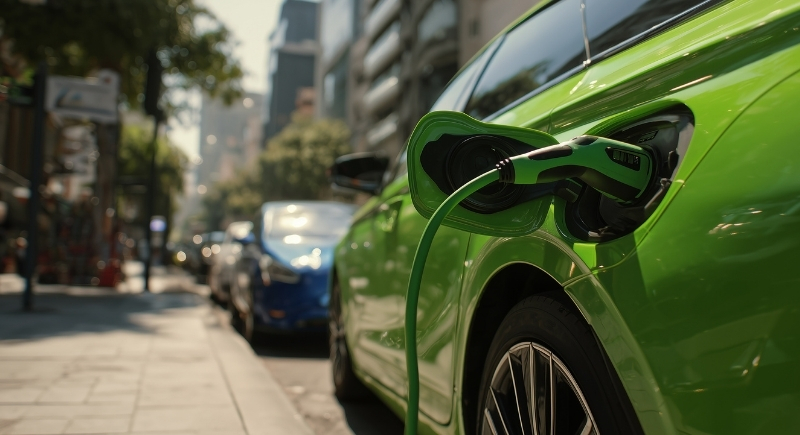
Governments in Europe, China, and North America have introduced policies to phase out gasoline engines. Battery technology keeps improving, and charging networks continue expanding. Analysts expect most cars sold in developed nations by mid-century to run entirely on electricity. Cleaner transportation could significantly reduce air pollution in cities worldwide.
Digital Twins Track Personal Health

Credit: Canva
Medical researchers increasingly discuss the idea of a “digital twin.” This concept involves building a virtual model of a person’s body using genetic information and medical history. Scientists believe these models could simulate how different treatments might affect an individual before real treatment begins. Doctors could test medications or lifestyle changes in software first.
Lunar Bases Support Research And Industry
Credit: Wikimedia Commons
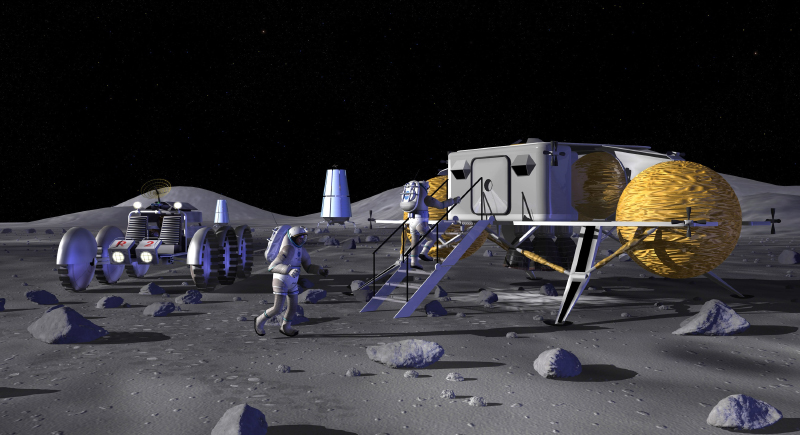
Experts studying the future of space exploration expect permanent installations on the Moon within the next few decades. A lunar base would allow scientists to test technologies for deeper missions while also conducting research in low gravity. Pharmaceutical companies already study crystal growth in space because it can produce higher-quality compounds.
Climate Pressures Force Major Adaptation
Credit: Canva
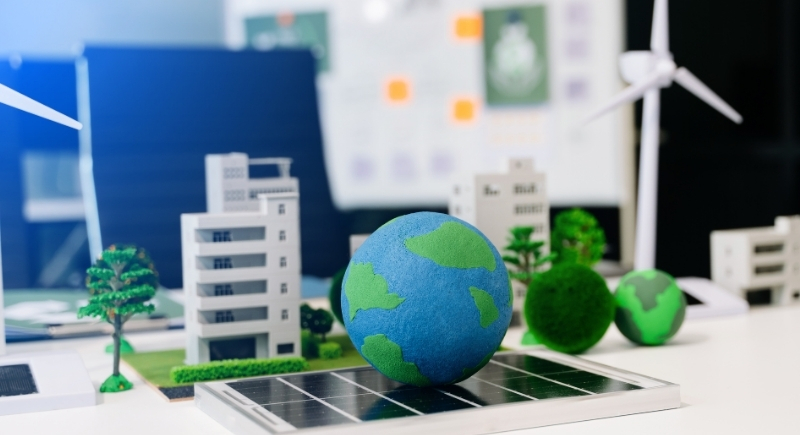
Environmental models created by the United Nations Environment Programme suggest that climate change will reshape daily life in many regions. Rising temperatures could expose billions of people to stronger heat waves by 2050. Governments may respond with expanded renewable energy and large-scale climate engineering projects. Adaptation strategies will likely become a major focus for policymakers.
The Internet Reaches Nearly Everyone

Credit: Getty Images
Access to the internet continues to expand rapidly through mobile networks and low-cost smartphones. Technology analysts estimate that billions of additional users will come online during the next few decades. The biggest question may be control over online spaces, since governments and corporations continue to compete to shape how people experience the web.