10 Things From the ’90s That People Are Desperately Petitioning to Bring Back
The 1990s turned everyday items into small cultural moments. Products felt distinct and memorable for reasons that had little to do with practicality, but many of them disappeared. Years later, people still bring them up in conversations and online threads, usually with a mix of humor and mild frustration. These are the products that continue to attract calls for a comeback.
Butterfinger BB
Credit: X
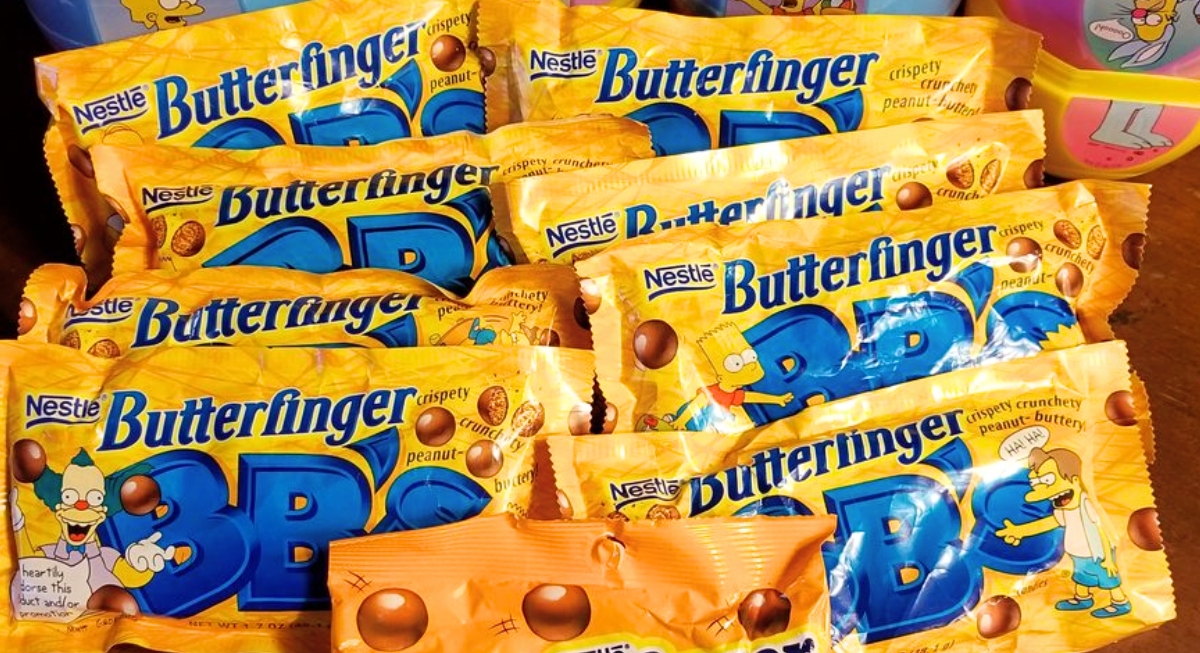
Butterfinger BBs took a familiar candy bar and reshaped it into small, crunchy spheres that were easy to snack on without committing to a full bar. Production stopped in 2006. A later product, Butterfinger Bites, arrived, though longtime fans noticed differences in texture and flavor that never quite matched the original experience.
McDonald’s Fried Apple Pie
Credit: Wikimedia Commons
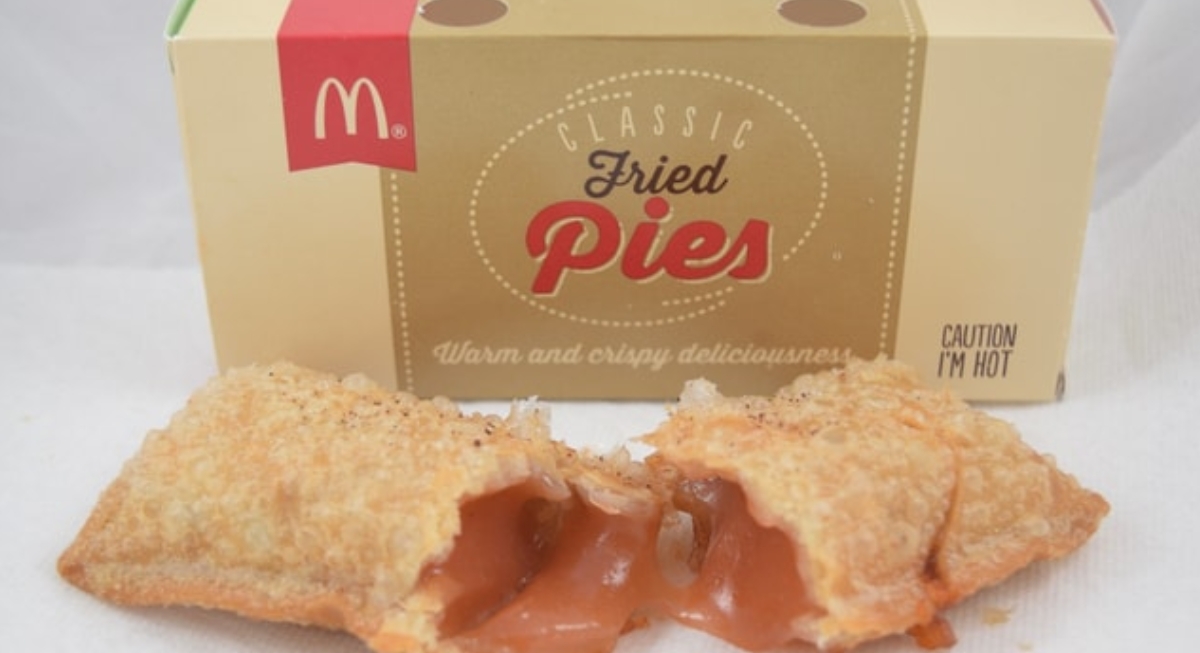
Before menu changes in the early 1990s, McDonald’s apple pie had a deep-fried crust that cracked loudly with each bite. The company switched to a baked version in 1992 after concerns about nutrition. Many customers accepted the reasoning, but continued to miss the original texture.
Tamagotchi
Credit: Wikimedia Commons
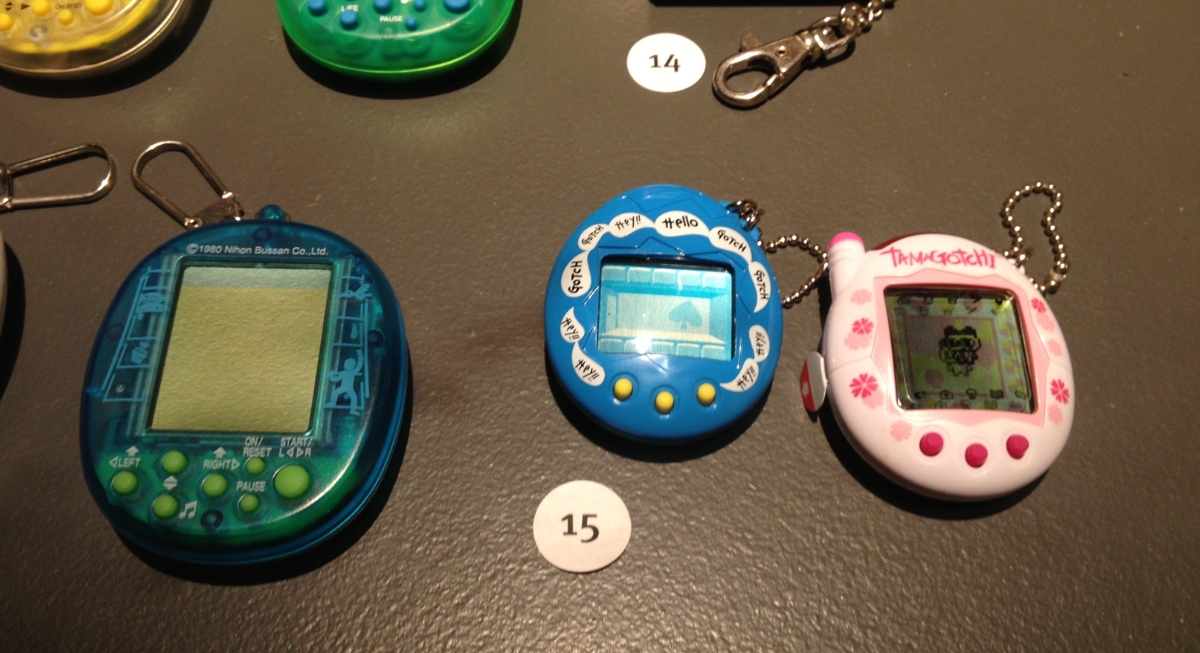
Tamagotchi arrived in 1996 as a small digital pet that demanded attention throughout the day, and owners had to deal with consequences if they forgot. Later versions appeared, but the first wave had simplicity. The idea of carrying a tiny, needy creature in a keychain still stands out as one of the decade’s strangest successes.
Pogs
Credit: Wikimedia Commons
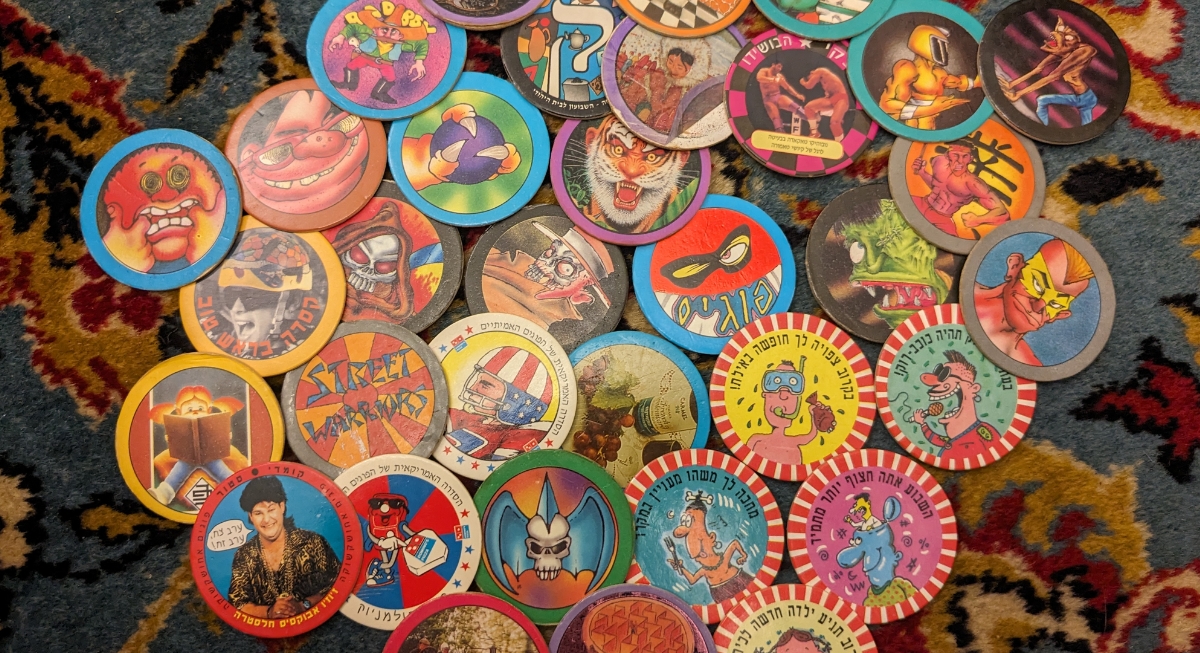
The rules of Pogs were simple, but the appeal came from trading and showing off rare designs. At its peak in the mid-1990s, schools had to ban them due to their distracting effects. The game faded quickly, leaving behind stacks of discs in drawers.
Clear Electronics
Credit: Wikimedia Commons
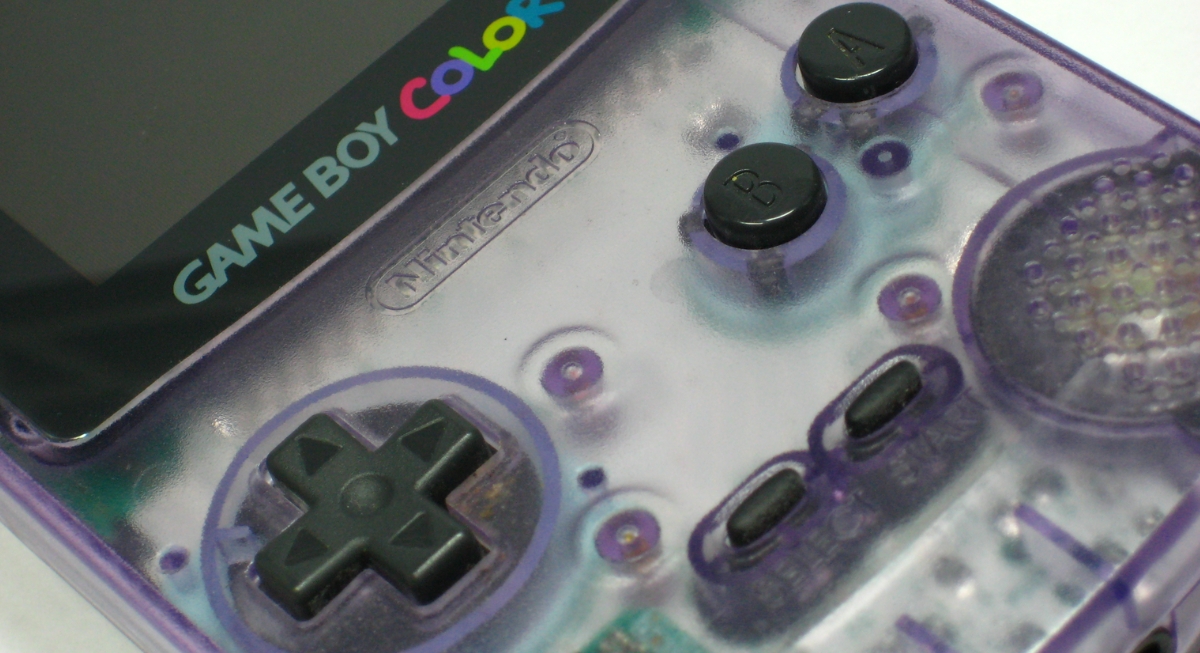
This design trend appeared across multiple brands during the decade. Phones, game consoles, and accessories revealed wires and components that were usually hidden. It did not last long, likely due to shifting design preferences toward minimalism. Still, the visual novelty of seeing how things worked made these items stand out.
JNCO Jeans
Credit: ebay
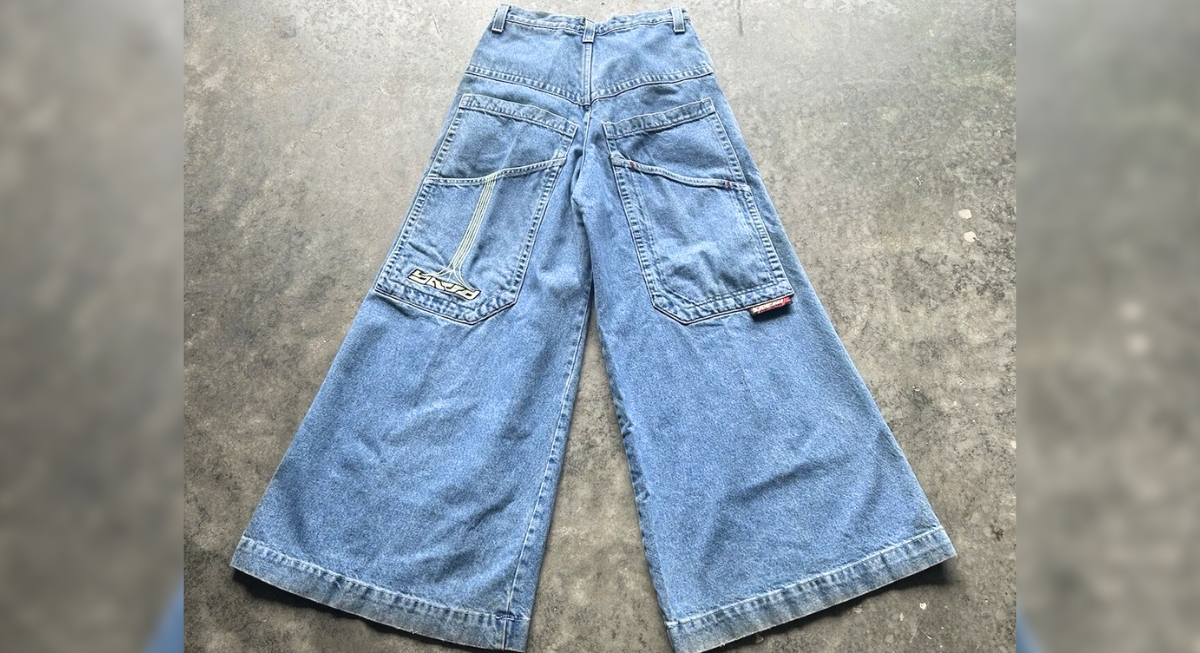
JNCO jeans became known for their extremely wide legs and oversized pockets, which could hold everything from wallets to portable CD players. They were popular among skaters and certain music scenes, so they defined a specific look in the late 1990s. Fashion trends shifted quickly after that.
Slap Bracelets
Credit: iStockphoto
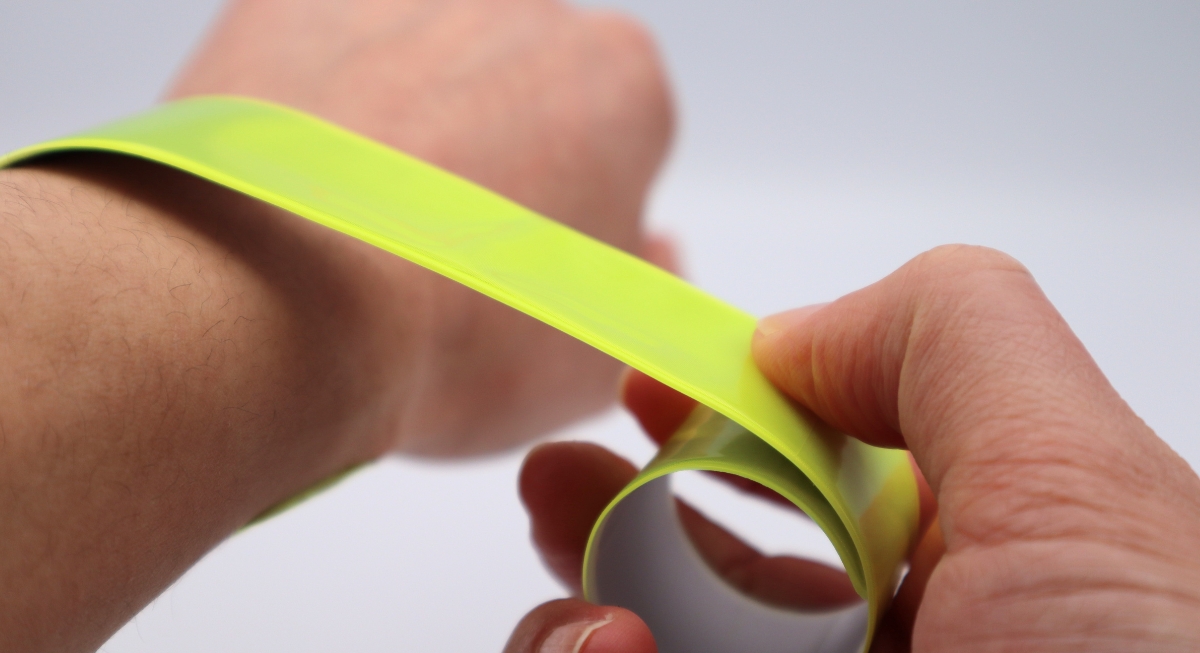
Slap bracelets combined a strip of metal with a soft covering that wrapped instantly around the wrist when tapped against it. They spread through schools in the early 1990s and became a quick accessory trend. Safety concerns led to restrictions in many places. Even so, the simple mechanism remains satisfying.
Inflatable Furniture
Credit: ebay
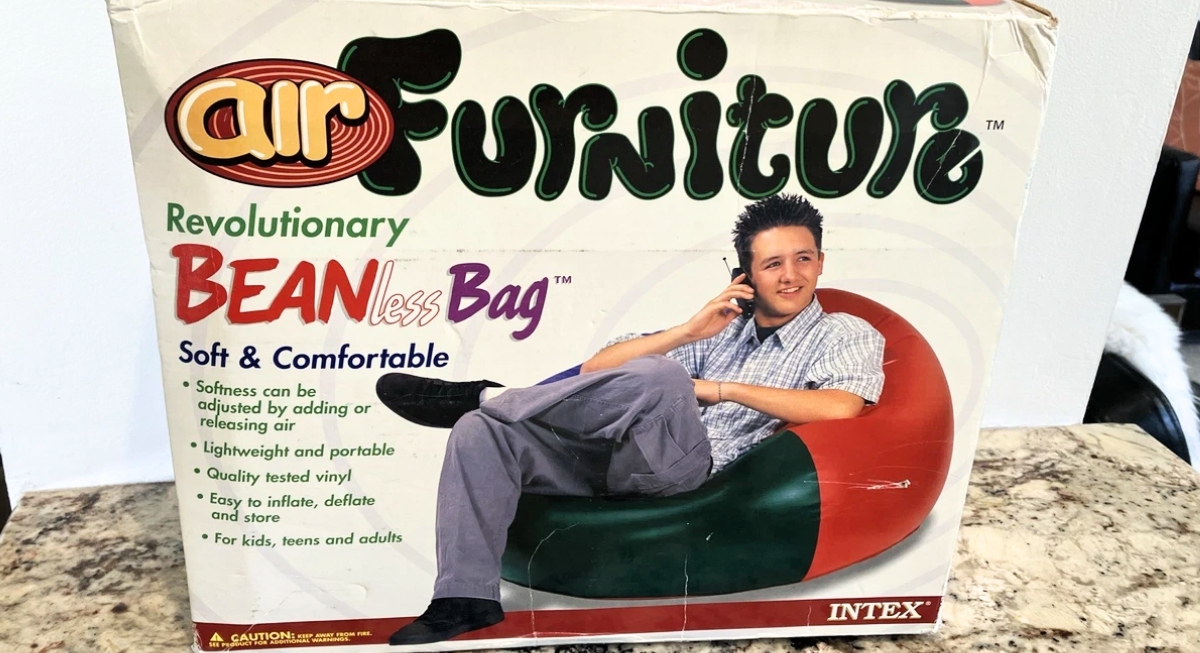
Inflatable chairs and couches brought bright colors and a casual feel into bedrooms and dorm rooms. They were lightweight and easy to move. Durability was not their strength, and small punctures often ended their lifespan. The flaw did not stop them from becoming a recognizable part of the 1990s interior style that still pops up in nostalgic conversations.
MTV’s Music Video Era

Credit: iMDB
MTV originally built its identity around music videos and giving artists a platform that shaped how songs were promoted. By the late 1990s and early 2000s, programming shifted toward reality shows and other formats. Many viewers still associate the channel with its earlier focus.
Saturday Morning Cartoons
Credit: pexels
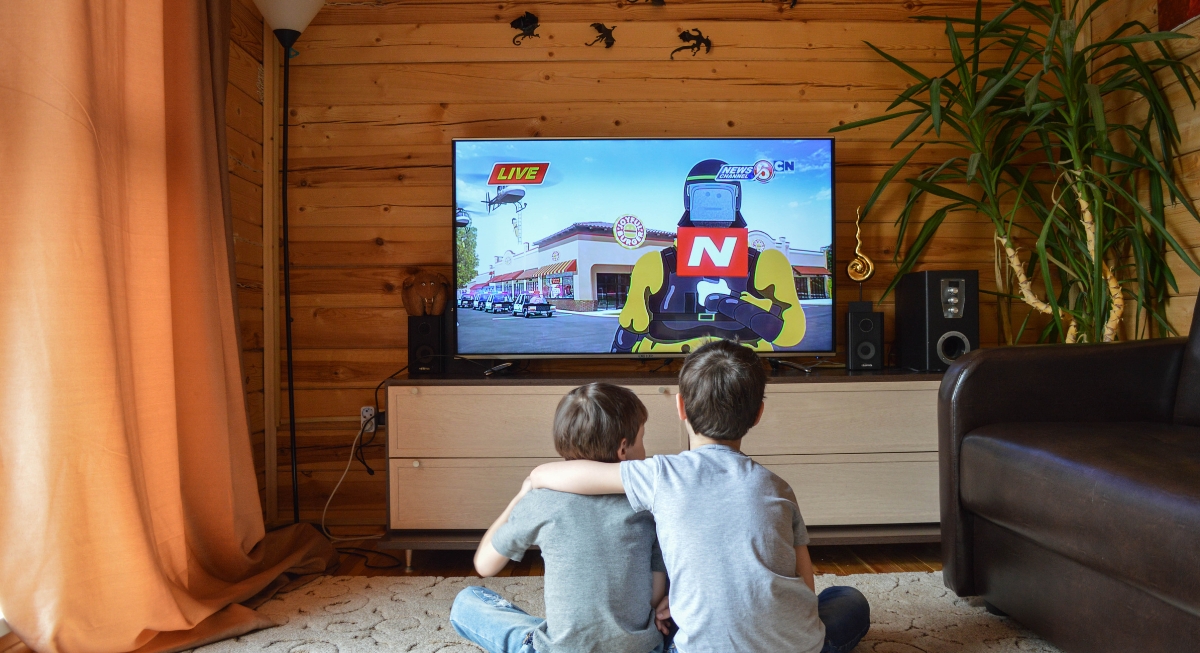
Networks scheduled blocks of animated shows that aired once a week, and missing an episode meant waiting for a rerun. Streaming services now offer constant access, which has changed viewing habits entirely. The older format remains memorable because it turned watching cartoons into a weekly event rather than a background activity.