10 Things in Your House That Are Dirtier Than a Toilet Seat
Toilet seats are blamed for almost everything, so they tend to be cleaned more often than most household surfaces. Meanwhile, many everyday items we touch without thinking rarely get wiped down at all. Things that stay damp, pick up food residue, or get handled with unwashed hands can collect far more bacteria than people expect. When researchers test common household surfaces, the results are often surprising. These are the places that can end up looking worse than a toilet seat when viewed up close.
Kitchen Sponge
Credit: pexels
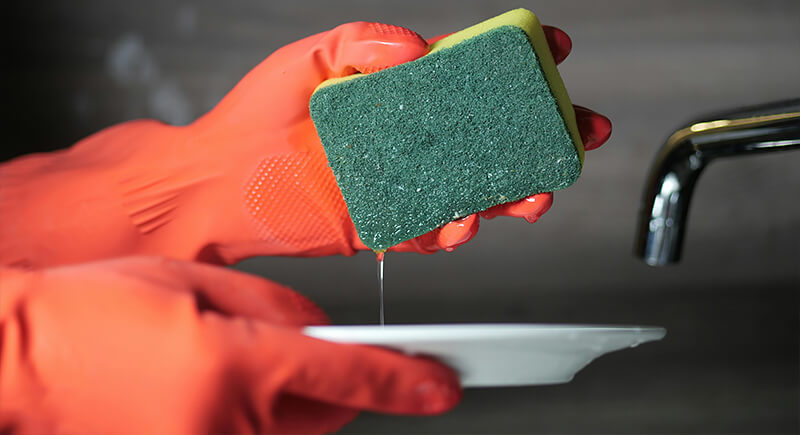
Researchers have found that used kitchen sponges can harbor dense microbial loads, including bacteria linked to food poisoning, and some have counts exceeding those found on some toilet seats. Microwaving a thoroughly wet sponge can reduce germs, but replacing it is a better plan. Toss it weekly, and let it dry between uses. Set a reminder if you must.
Carpet And Area Rugs
Credit: Reddit
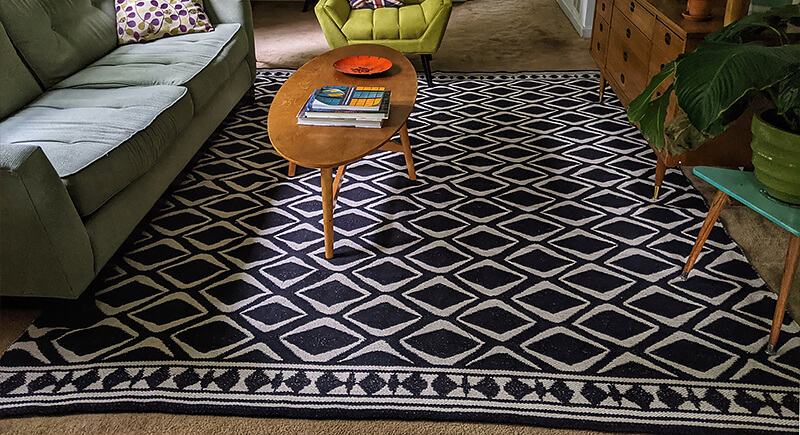
Skin flakes, tracked-in dirt, pet dander, crumbs, and pollen build up inside the carpet fibers. Philip Tierno of NYU has highlighted how they can host huge bacterial populations per square inch. The sheer density makes toilet seats look spotless. The worst part is that rugs can still look harmless, as if a little dusting would fix everything.
Cutting Board Grooves
Credit: Wikimedia Commons
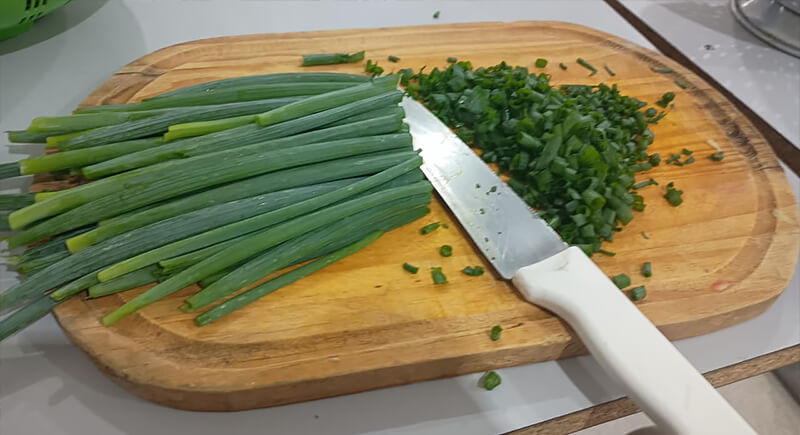
Knife cuts create grooves that trap bacteria after raw meat comes into contact with the surface. Studies show cutting boards can carry more fecal bacteria than toilet seats. Plastic boards sanitize more reliably, especially in a dishwasher’s sanitize cycle. For handwashing, use hot soapy water, then disinfect with a mild bleach solution. Keep separate boards for meat and produce.
Smartphone Screen
Credit: Wikimedia Commons
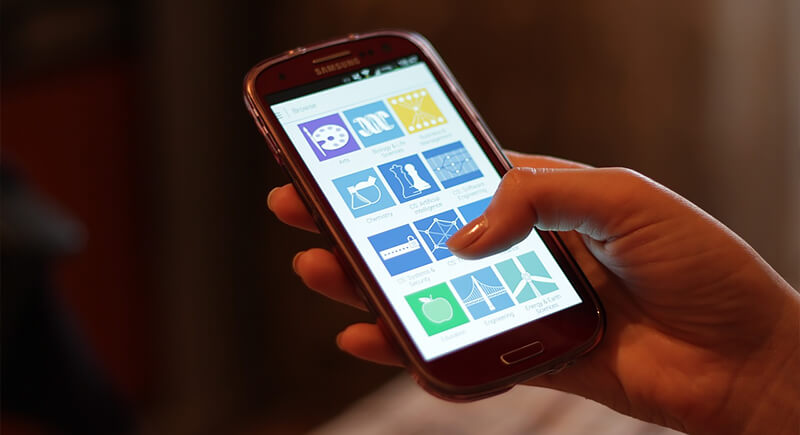
Phones go everywhere, including kitchen counters, public transit, and even bathrooms. Cellphones can be far dirtier than toilet seats because people rarely disinfect them. Warm hands, constant touching, and a case full of crumbs help germs hang around. Wipe the screen and case with an electronics-safe disinfectant wipe, and keep it away from food-prep areas.
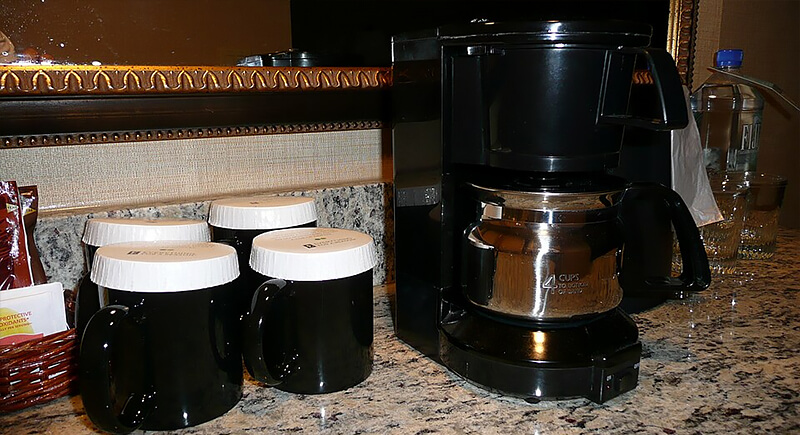
Coffee Maker Water Reservoir
Credit: Wikimedia Commons
The water reservoir is dark, moist, and often ignored, which makes it a prime breeding ground for bacteria, mold, and mildew. NSF testing has flagged coffee maker reservoirs as one of the germiest kitchen items. Occasionally, run the manufacturer’s cleaning cycle with vinegar, then flush with plain water. Old water sitting around is perfect for microbes, and can transform from making fresh brews to becoming a science lab.
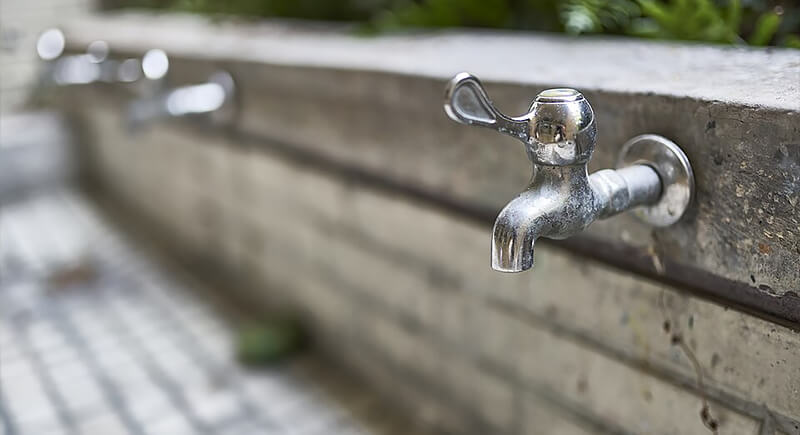
Faucet Handles
Credit: Wikimedia Commons
Most of us grab them with dirty hands, wash our hands, and then grab them again. According to Charles Gerba and other studies, faucet handles can harbor many times as many bacteria as a toilet seat, partly because grime builds up in seams and around the base. Turn the tap on before handling raw meat, or use a paper towel to shut it off after washing. Disinfect handles daily during the cold season.
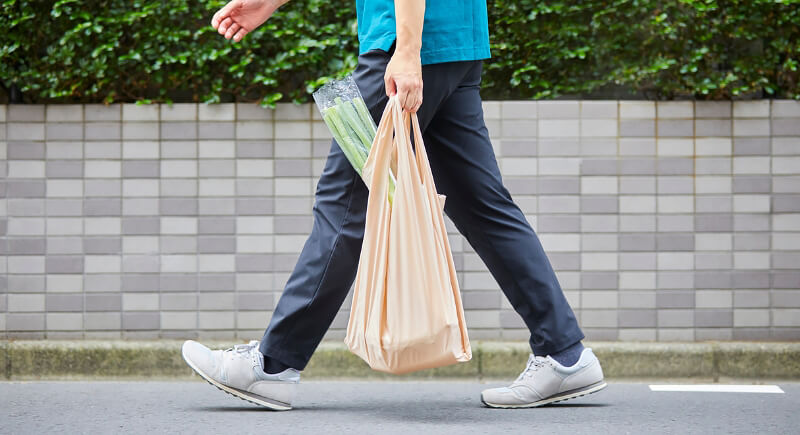
Reusable Grocery Bags
Credit: Canva
Those reusable bags merit a medal for saving the planet, but they also deserve a bath. Chuck Ger’s research has found that reusable grocery bags often contain coliform bacteria, with E. coli detected in some of them, typically linked to raw meat juices and produce residue. A warm car trunk speeds bacterial growth. Wash cloth bags regularly in hot water and keep one bag dedicated to meats to reduce cross-contamination.
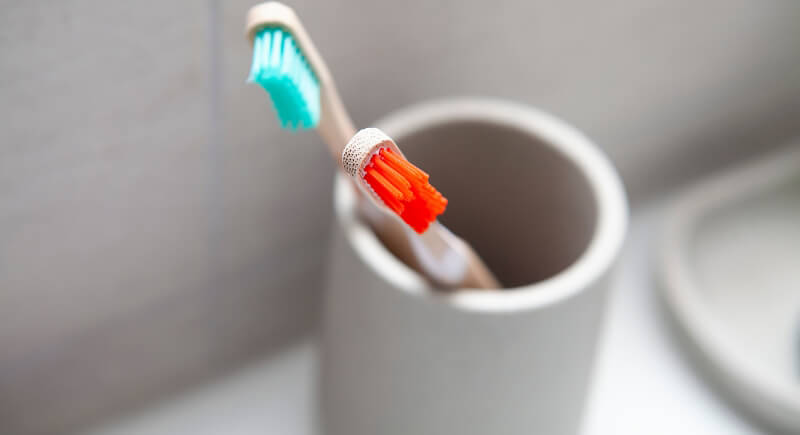
Toothbrush Holder
Credit: Getty Images
The toothbrush gets all the blame, but its holder is worse. NSF testing found they are among the germiest bathroom items, with higher coliform counts recorded here than on toilet seats. The holder collects toothpaste slime and dirty drips, then stays damp. Wash it weekly with hot soapy water, or run it through the dishwasher if safe. Replace cracked holders that trap gunk.
Pet Food Bowl
Credit: Canva
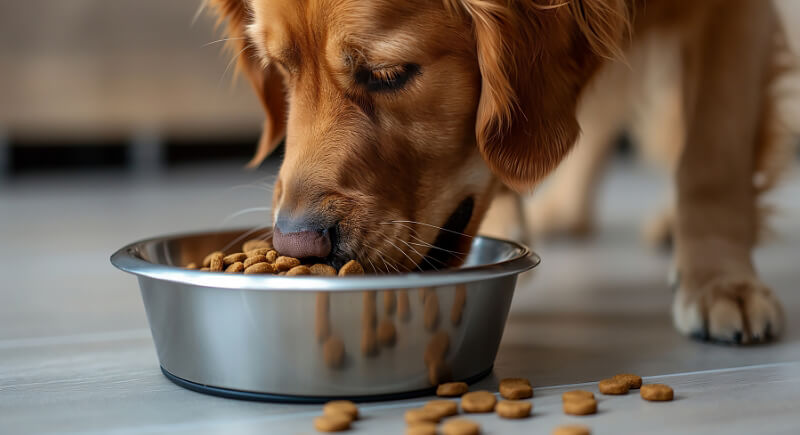
A pet bowl is basically a daily biology experiment with a cute face attached. NSF testing has ranked pet bowls among the dirtiest household surfaces, thanks to saliva, leftover food, and room temperature. Scratches in plastic make it worse by giving microbes places to cling. Wash bowls after every meal with hot, soapy water, and replace worn bowls.
TV Remote Control
Credit: Wikimedia Commons
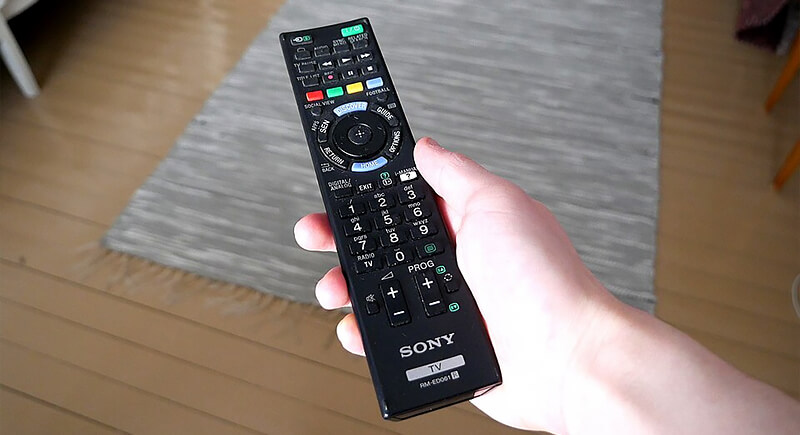
Your TV remote gets passed around, dropped into couch cushions, handled during snacks, and we rarely clean it until it looks visibly gross. Clean with a disinfecting wipe, then clean edges with a cotton swab. Swab tests and surveys have found that they can carry fecal bacteria and other microbes. It’s a tiny shared object with thousands of touches, yet still attracts zero accountability.