The Unexpected Legal Reason Hustlers Wear So Much Expensive Jewelry
People poke fun at iced-out chains and oversized rings, but the story behind them is more complicated than flash or ego. In a lot of hustling worlds, cash can disappear fast once it’s in someone else’s hands, and jewelry became a way to hold value without watching it slip away.
When you look at the pressure people deal with in high-risk markets, the shine starts to make sense. These are spaces where setbacks happen quickly, police encounters aren’t rare, and the systems around them don’t offer much protection. Keeping wealth on your body becomes a form of security shaped by arrest procedures, civil asset forfeiture, and limited access to formal banking.
A System Built To Take Cash First
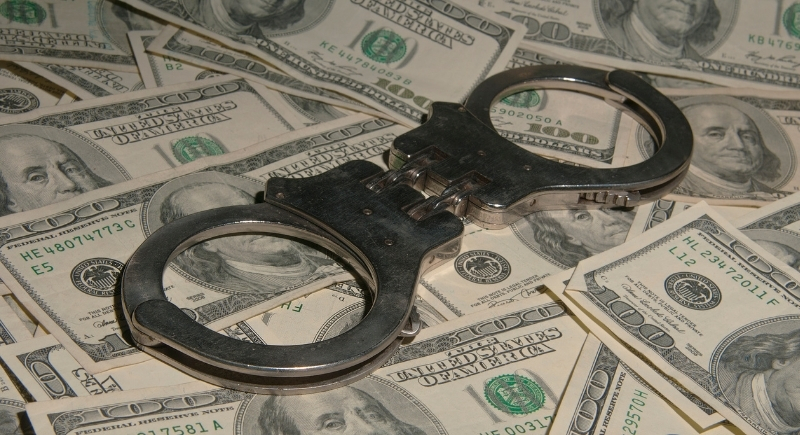
Image via Getty Images/PhotosbyAndy
Cash attracts law enforcement attention, and under civil asset forfeiture rules, officers can take large sums of money during an arrest if they believe it is tied to illegal activity. For people who expect encounters with police, the risk isn’t theoretical. Cash can disappear the moment handcuffs come out.
Jewelry, watches, grills, and similar items fall into a different category. Standard arrest procedures require officers to document personal property and place it in a secure container. That property is returned once someone is released or bailed out. The same protection rarely applies to cash, especially large amounts. It’s the difference between losing everything in your pocket and keeping everything on your body.
A Built-In Bail Plan
Another layer of logic shows up the moment someone needs quick money after an arrest. Pawn shops routinely use jewelry as collateral, and the math is predictable. Shops generally lend a fixed percentage of the purchase price, which means a chain or ring becomes instant liquidity.
Jewelry serves as an emergency funding option, requiring no paperwork, bank accounts, or credit checks. Portability also matters. A ring can be handed to a friend to secure bail money within minutes. That makes wearable wealth a practical safety measure rather than a fashion decision. It’s a financial plan carried on the body.
History Taught People Not To Trust Institutions

Image via Canva/Oneinchpunch
There’s also a long memory behind the practice. Many communities tied to early hip-hop and street markets were cut out of traditional banking. Accounts were denied, credit was unavailable, and distrust grew as a survival instinct. Episodes like the United States bank closures in 1933, which froze deposits and changed currency values, deepened that distrust for generations. Keeping savings in physical form felt safer than placing them in institutions that could change the rules without warning.
A Cultural Habit With Practical Roots
When these financial realities collide with high-risk work environments, the result is a culture that wears its net worth because it’s the safest option available. What began as a survival tactic soon shaped the look of entire music genres. Early hip-hop artists adopted the style long before they reached mainstream stages. The shine became a familiar image, but its roots came from real battles against loss, seizure, and financial exclusion.