The Trapper Keeper: How a Velcro Binder Became the Most Important School Supply of a Generation
A school binder that launched in 1978 raked in more than $100 million in annual sales within a few years and has sold over 75 million units to date. Students argued over designs in stores. Some teachers tried to ban it. Decades later, used versions can still sell for $40 to $150, with rare editions costing more. This kind of value doesn’t usually come from a basic classroom item, so what exactly made this one different?
Built To Solve A Real School Problem

Image via iStockphoto/standret
In 1972, Mead executive E. Bryant Crutchfield studied classroom trends and saw a change coming. Class sizes were increasing, students were juggling more subjects, and lockers were getting smaller. Carrying several bulky notebooks between classes was becoming impractical.
At the same time, folders were gaining popularity, with sales growing at about 30 percent per year. Crutchfield saw an opportunity to combine the two ideas into a single system. Instead of forcing students to carry everything at once, the goal was to let them organize materials by subject and take only what they needed. This paved the way for a new kind of binder.
The Design That Worked
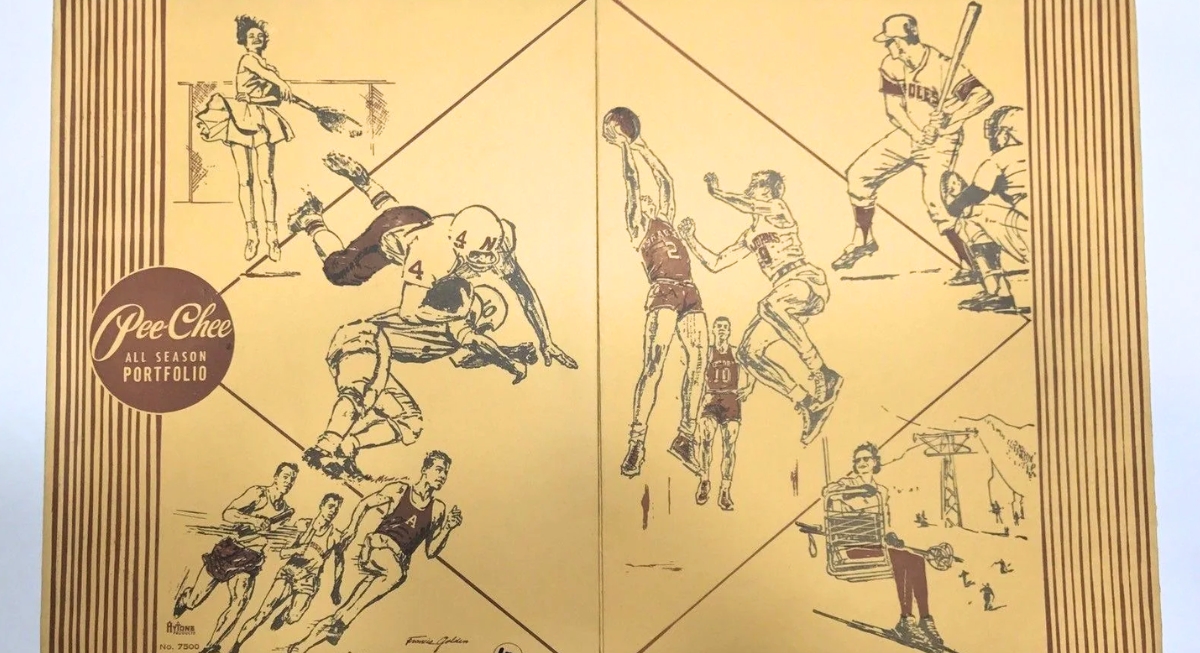
Image via Reddit/granta50
The breakthrough came from a simple tweak to an older idea. West Coast folders known as PeeChees used vertical pockets that kept papers from falling out. Crutchfield and Mead’s product team pushed that further by adding angled pockets, which secured papers even better.
Inside the binder, those folders became “Trappers.” The outer binder, later named by Mead product developer Jon Wyant, became the “Trapper Keeper.” It included features that made it feel different from anything else in a school locker at the time. Its snap closure kept everything sealed, plastic rings opened to the side instead of snapping apart, and a built-in clip held a notepad and pencil.
The Test Market Blew Up
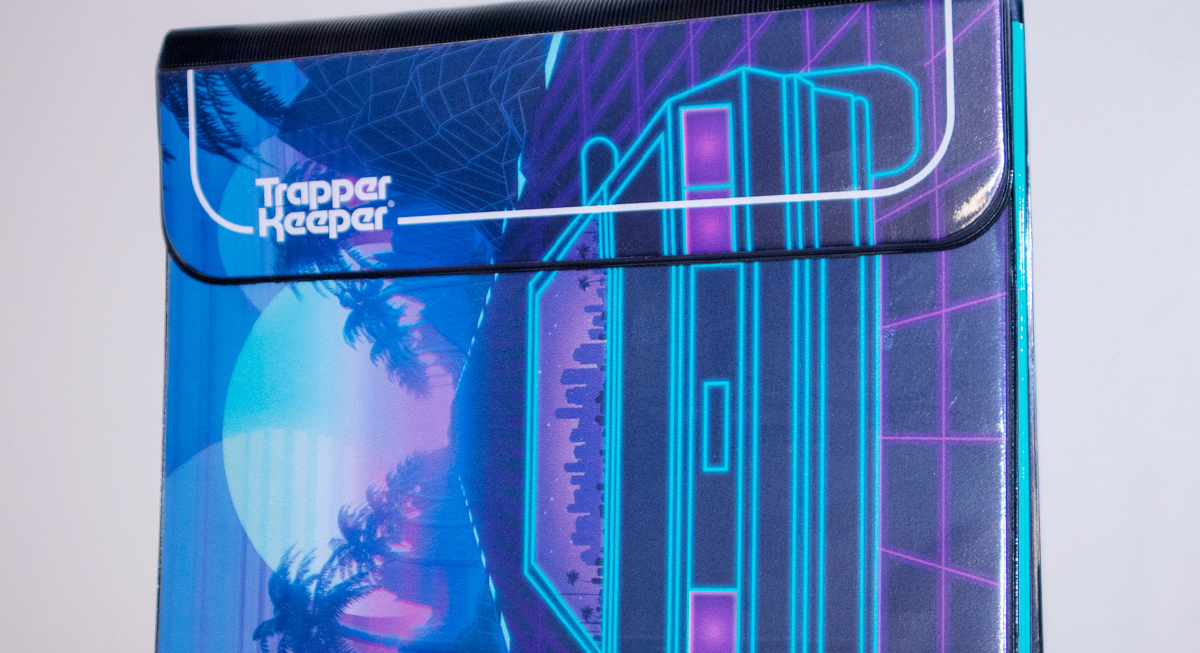
Image via Reddit/Trapper Keeper folder
Mead tested the Trapper Keeper in Wichita, Kansas, in August 1978, and it sold out almost immediately. That early response made it clear that students wanted something that matched how they actually used their school supplies.
Each binder included a feedback card, and about 1,500 responses came back. Students talked about keeping papers secure and carrying only what they needed. Adults even began buying them for recipes and records.
By the time Mead rolled it out nationwide in 1981, demand was already in place. Trapper folders sold for $0.29 each, while the binder itself cost $4.85. The price made it accessible, and the design made it stick.
Covers featured everything from sports cars to rainbows, and later expanded into licensed designs like Garfield, Sonic the Hedgehog, and Lisa Frank’s colorful artwork. By 1988, Mead leaned fully into this with its Designer Series, which ran through 1995.
Students chose bold graphics or went with solid colors to avoid outgrowing a trend. Many covered them in stickers or collected signatures from classmates. Thus, the Trapper Keeper worked as a form of self-expression.
The Velcro Era And The Backlash
About three years after its national launch, Mead swapped the snap closure for Velcro. It made manufacturing easier and matched a growing trend in consumer products. The ripping sound became part of the experience, and for many students, part of the appeal.
Teachers didn’t always agree. Some complained about the noise disrupting class, while others argued that the printed multiplication tables and conversion charts inside the folders could give students an unfair advantage during tests. There was also confusion, with oversized binders being mistaken for Trapper Keepers and banned for not fitting in desks.
By the early 1990s, some schools added them to “do not purchase” lists. Mead eventually switched back to snap closures, but the tension had already become part of the product’s story.
The Trapper Keeper faded after the mid-1990s as school supply trends changed and competition increased. But even so, it never disappeared. Mead, now part of ACCO Brands, still produces updated versions using different materials like polypropylene and fabric.