The Sandwich Generation Is Exhausted: How to Care for Your Parents and Kids Without Losing Yourself
Many adults today are stuck in the middle of family life, caring for both their children and their aging parents at the same time. Kids still need help with school and daily routines, while parents may need support with medications, appointments, or basic tasks.
About one in four Americans is in this situation, and nearly 29% of caregivers fall into this group, according to Mental Health America. For many people in their 40s, the pressure is even greater. They are often raising kids while also supporting a parent over 65. Balancing work, home life, and caregiving responsibilities can quickly become overwhelming.
Why The Sandwich Generation Keeps Growing

Image via Getty Images/VioletaStoimenova
The rise of this group follows several concurrent demographic shifts. Americans are living longer than earlier generations, which means aging parents often need help for longer. By 2030, one in five people in the United States will be age 65 or older.
At the same time, many adults start families later in life. Delayed parenthood increases the overlap between raising children and caring for aging parents.
Family structure has changed, too. Smaller families mean fewer siblings share responsibility for elder care. Meanwhile, more women participate in the workforce, which adds more pressure to an already crowded schedule.
Financial strain adds another piece to the puzzle. Pew Research and caregiving studies estimate that adults in this role spend roughly $10,000 each year on caregiving-related expenses. Medical costs, housing support, and everyday assistance for parents can stretch household budgets.
The Emotional Weight
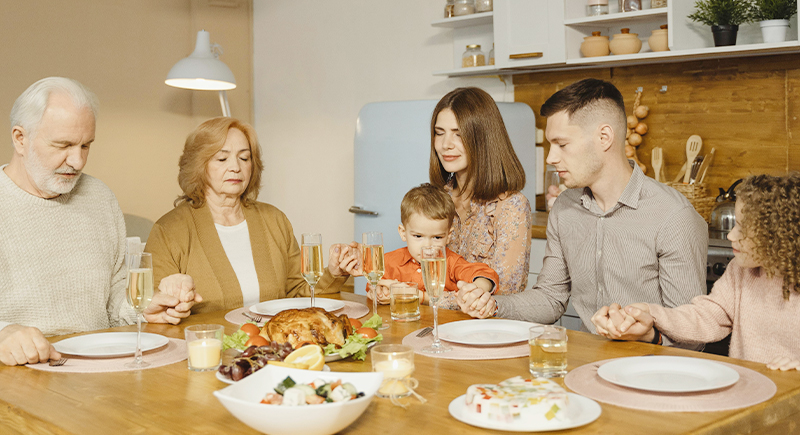
Image via Pexels/Tima Miroshnichenko
The challenge of caring for two generations extends beyond scheduling headaches. Adult children suddenly face a role reversal. A parent who once provided guidance now depends on help with basic needs. Meanwhile, children inside the same household often react to the tension around them.
Caregivers themselves struggle with a constant feeling of falling short. They want to show up fully for their kids and for their parents, and time hardly cooperates with that goal. Despite the pressure, surveys surprisingly suggest that adults in the sandwich generation often report strong satisfaction with their family lives. The responsibilities are heavy, yet many still value the connection across three generations.
Practical Ways To Stay Sane
Families navigating this stage often learn that survival depends on strategy. Organization helps bring order to competing priorities. Regular family check-ins, shared calendars, and clear planning prevent surprises from taking over the week.
Support systems matter just as much. Friends, siblings, neighbors, and community services often step in once caregivers actually ask for help. Area Agencies on Aging and similar groups guide elder care resources in many communities.
Involving children in caregiving tasks can also ease the load. Simple responsibilities like visiting a grandparent, helping with small chores, or spending time together build empathy and reduce fear about health changes within the family.
Taking breaks remains one of the most overlooked survival tools. Care experts often refer to this as respite care. Professional caregivers or trusted friends can temporarily step in so the primary caregiver can recharge. Some home care providers charge about $25 per hour for short-term help, which many families view as worthwhile relief.