The Real Reason Why “Fast Food Burgers” Don’t Rot
People often hear stories about fast food burgers that look the same years after someone bought them. A cheeseburger purchased in Iceland in 2009 still sits on display, and another bought in 1999 resurfaced with almost no visible decay. Projects that track these aging meals show the same pattern: the food dries out, hardens, and seems unchanged. These examples raised questions about preservatives, ingredients, and how these burgers hold their shape for so long.
The explanation turns out to be supported by experiments and much less mysterious than people expected.
Moisture Determines If Food Decomposes
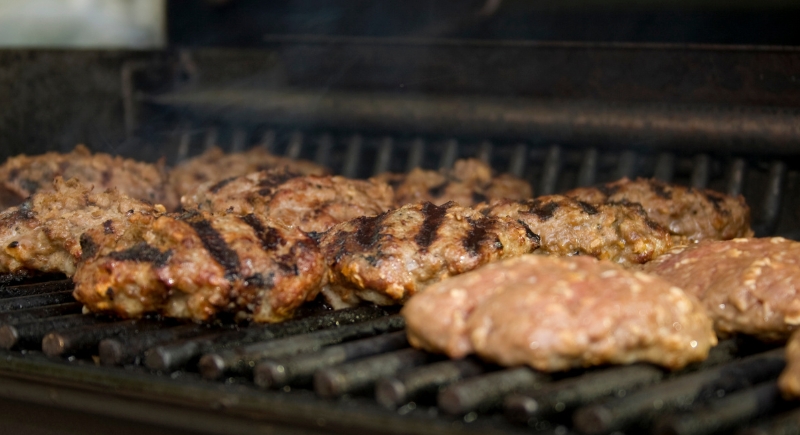
Image via Getty Images/Stephen Jess
Microorganisms need moisture to survive. Without it, bacteria and mold can’t grow, which stops decomposition before it begins. McDonald’s explained this directly and stated that their food can decompose, but only under the right environmental conditions. When burgers and buns dehydrate quickly, they become unsuitable for microbial life.
The cooking and preparation process plays a large role in how fast that happens. For example, the patties lose water content during grilling, and the buns are toasted. Once dry, the surface hardens and creates an inhospitable environment. This dehydration process doesn’t just apply to fast food; the same thing can happen to food made at home.
If it dries quickly enough and stays dry, mold won’t develop. Open-air storage speeds this up, while sealing food in plastic can trap moisture and encourage spoilage. Moisture, or the lack of it, decides whether a burger rots or simply dries out and stays intact.
Burger Size Influences Spoilage Rates
Size also affects how quickly a burger dries. Smaller patties dehydrate faster, which helps them resist mold. Food scientist J. Kenji López-Alt conducted an experiment comparing fast food and homemade burgers of various sizes. He found that standard McDonald’s burgers and equally small homemade ones didn’t grow mold when left uncovered.
Larger burgers, like McDonald’s Quarter Pounder or thick homemade patties, retained more internal moisture and eventually developed fungal growth. That difference comes down to water loss.
Bigger patties take longer to harden, which gives microorganisms more time to take hold. Smaller ones shed their moisture before bacteria or mold can grow. Weight tests throughout López-Alt’s study showed a rapid drop in moisture for the smaller burgers, which confirms this finding. The bun’s size matters too, but to a lesser extent.
Thinner food simply loses water faster. That’s why two burgers made with the same ingredients can spoil at different rates. At the end of the day, thickness controls how fast the burger becomes uninhabitable for mold and bacteria.
Plastic Wrapping Traps Moisture and Promotes Mold
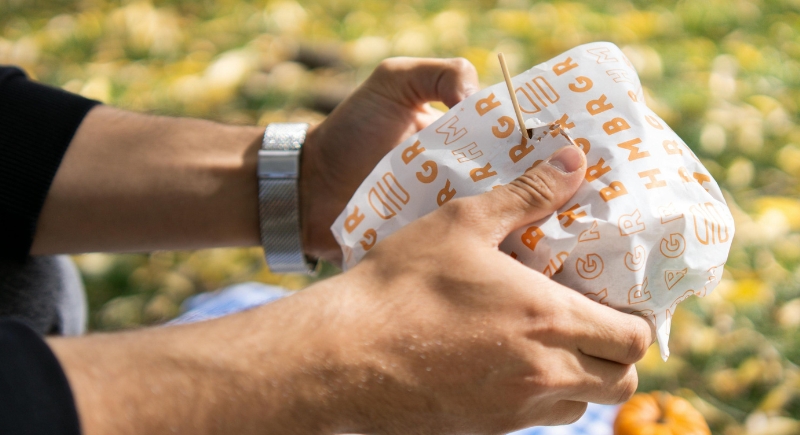
Image via Pexels/Berna T.
When food is placed in a plastic bag or wrapped tightly, the water content gets trapped. That trapped moisture creates a humid environment that supports bacterial and fungal growth. Several experiments confirmed this effect.
In one test, two identical burgers, one homemade and one from McDonald’s, were placed in plastic bags. Within a week, both showed visible mold. The same burgers left unwrapped in the open air didn’t rot at all. This reinforces McDonald’s claim that it’s not just about their ingredients, but also how the food is stored. Moisture needs to escape for dehydration to occur.
Plastic prevents that and turns the food into a greenhouse for mold. Airflow, humidity, and surface exposure all play a part. Without enough ventilation, even low-nutrient food can support decay. This explains why a burger stored in a pocket or bag becomes moldy, while the same one left on a shelf can stay intact for years.