The Real Reason Why Everyone Expects a Tip These Days
A few years ago, the tipping custom was pretty predictable. You’d sit down at a restaurant, leave a tip for the server, or take a cab and add a little extra. Then all of a sudden, tipping requests started showing up everywhere. Coffee counters, food trucks, delivery apps, airport kiosks, self-checkout machines, and businesses that had never asked for gratuities before began displaying suggested percentages on payment screens. Many consumers began asking the same question: When did every purchase start coming with a required tip?
The Pandemic Changed More Than Shopping Habits
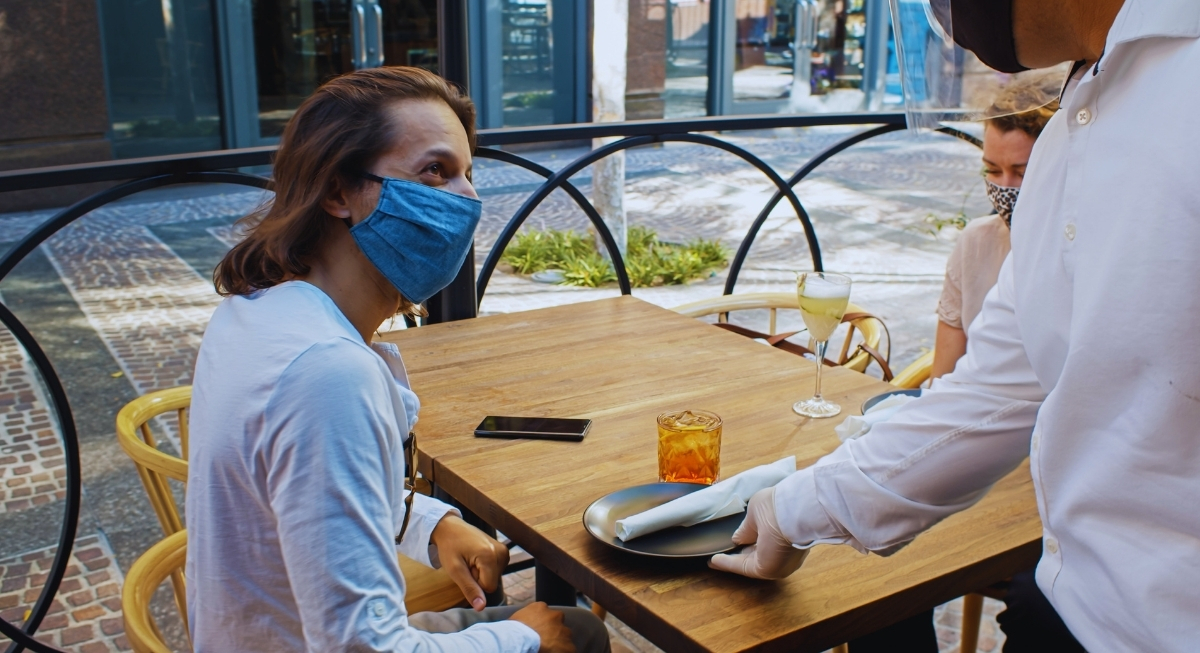
Image via Getty Images/halbergman
One of the biggest changes began during the COVID-19 pandemic. Restaurant workers, delivery drivers, and other service employees became essential parts of daily life. Many customers responded by tipping more generously to help workers facing uncertainty and financial stress.
The pandemic eventually faded, but many of those tipping habits stayed behind. Consumers who once tipped only in traditional settings suddenly found themselves doing it across many more services.
The Work of The Payment Screen
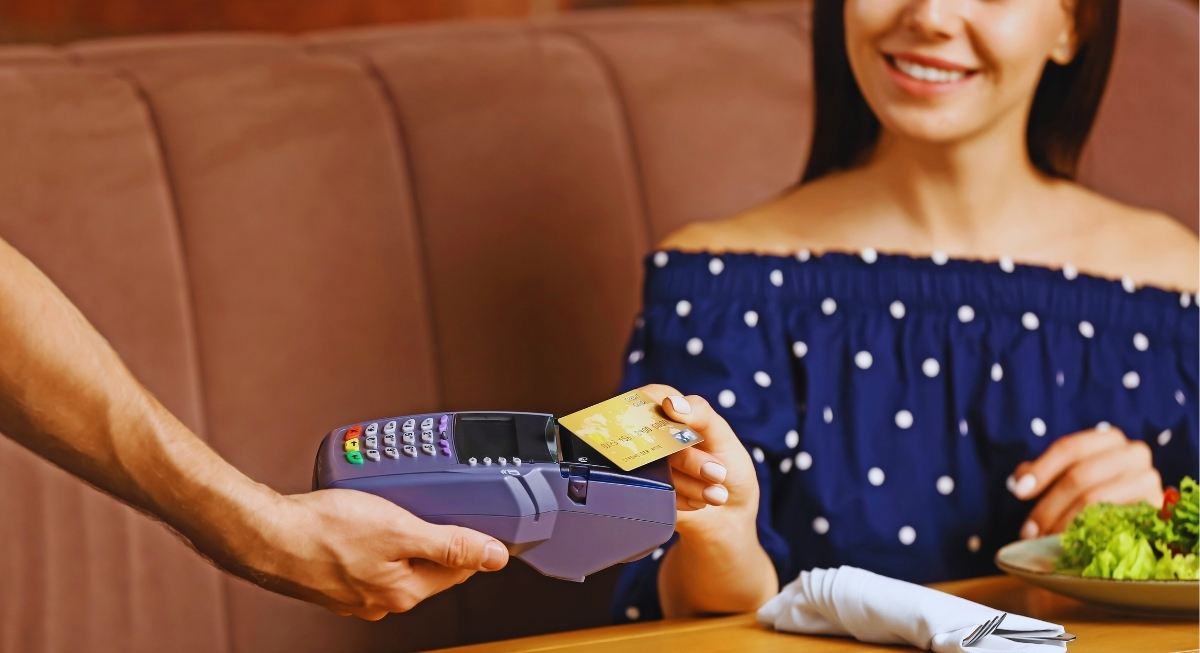
Image via Canva/pixelshot
The rise of digital payment systems helped push tipping into a new era. Companies behind payment platforms such as Square and Toast made it easy for businesses to display preset tip options before customers completed a purchase. Instead of deciding on an amount independently, people are often presented with buttons labeled 15 percent, 20 percent, 25 percent, or even higher.
Researchers who study consumer behavior point to the power of nudges. When a screen places tipping options front and center, declining can feel awkward, especially when an employee is standing nearby. Some experts describe the result as “guilt tipping,” where social pressure influences the decision as much as the service itself.
Businesses Found a Way to Keep Prices Looking Lower
Another reason tipping has spread involves economics. Restaurants, coffee shops, and hospitality businesses have spent years dealing with higher labor costs, inflation, and worker shortages. Raising menu prices can scare away customers, so many businesses have sought other ways to increase workers’ earnings.
Tips help bridge that gap. Instead of charging more upfront, businesses can rely on customers to contribute additional money through gratuities. For employers, it helps attract workers. For employees, it can significantly increase income. For customers, it often feels like another charge added to an already expensive purchase.
Americans Are Growing Less Comfortable With It
Image via Canva/Africa images
The expansion of tipping has created confusion about what is actually expected. A Pew Research Center study found that Americans hold very different views on tipping. Some see it as a personal choice, others as an obligation, and nearly half say it depends on the situation.
Many people still support tipping for restaurant servers, bartenders, delivery drivers, and other workers whose income depends heavily on gratuities. The frustration might appear when tip requests pop up in places where tipping was never traditionally part of the transaction.
Automatic service charges have also become a source of irritation. Consumers often dislike fees when it’s unclear where the money goes or who ultimately benefits. Bankrate research found that roughly two-thirds of Americans now have a negative view of tipping culture, while many describe current expectations as excessive.
It’s No Longer Just an American Conversation
The effects are starting to reach beyond the United States. Countries such as Iceland and the United Kingdom have seen more businesses introduce digital payment systems that prompt customers for gratuities. Some locals have pushed back, arguing that employers should handle compensation rather than relying on customer generosity.