The Real Reason Why Aluminum Foil Has a Shiny Side and a Dull Side
Aluminum foil is a kitchen essential that seems to do everything. It wraps leftovers, lines baking trays, keeps bread from burning, and even scrubs stubborn grime when nothing else works. But one question never seems to go away: what’s the deal with the shiny side and the dull side? Is one better than the other? The answer is simpler than you might think.
How Aluminum Foil Gets Its Two Faces
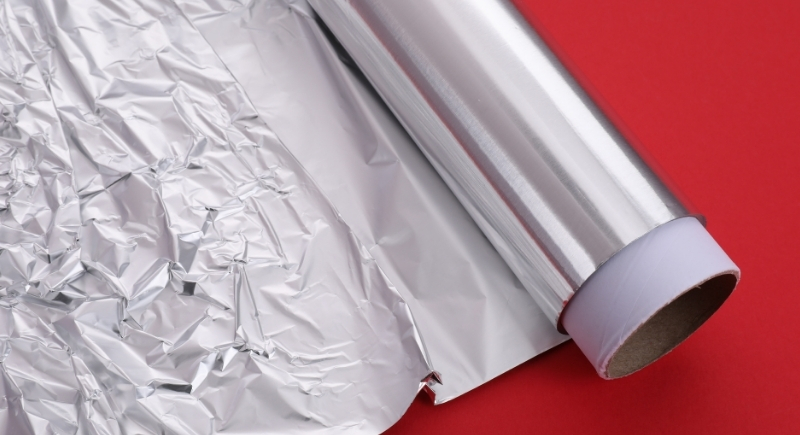
Image via Canva/Africa Images
The two-sided finish has nothing to do with cooking performance. It’s all about how foil is made. The process, called milling, starts with large aluminum slabs flattened into ultra-thin sheets by powerful steel rollers. Once the metal becomes thin enough, it’s too fragile to handle alone. To prevent tearing, two sheets are rolled together in the final step. The side touching the rollers becomes shiny, while the sides pressed together turn dull. There’s no coating or special treatment, just the natural result of rolling metal.
The U.S. Department of Agriculture and foil manufacturers like Reynolds confirm the difference is only visual. Both sides are made of the same material and perform identically. No matter which side touches your food, your baked potato or roasted chicken will cook the same.
The Heat Reflection Myth
A popular belief is that the shiny side reflects heat more effectively and is better suited for baking or broiling. In theory, reflective surfaces can bounce light and heat, but in kitchen use, the effect is so small it doesn’t matter. Chemist Robert L. Wolke and other experts have shown that both sides of aluminum foil conduct and retain heat almost equally.
Some bakers, such as Alice Meldrich, like using the dull side up when baking cookies because it might help them brown slightly more evenly. However, controlled tests reveal this difference is minimal and doesn’t affect cooking times or texture. Your oven’s temperature and placement on the rack have a far greater impact than foil orientation.
When the Side Actually Matters
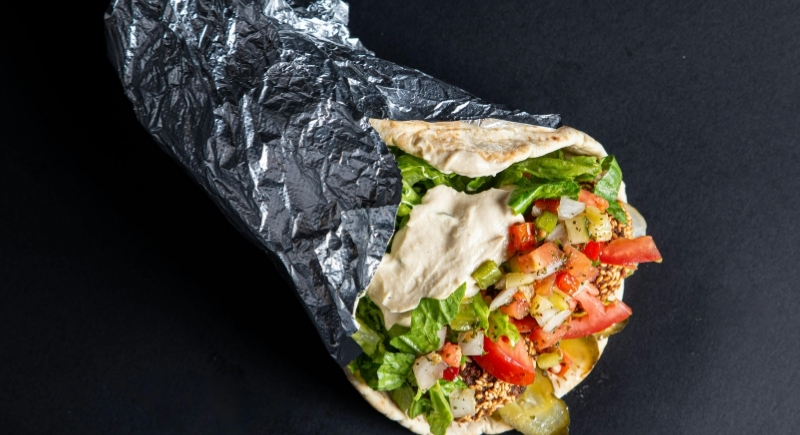
Image via pexels/Derwin Edwards
There’s only one type of foil where the sides matter: non-stick foil. This version has a food-safe coating on the dull side to keep food from sticking. Packaging usually points out which side to use. Regular foil doesn’t have this coating, so greasing it with oil or butter is still the best way to keep food from clinging. Apart from this, the choice between shiny and dull is simply a matter of personal preference. Some people like the shiny side out because it looks neater, and that’s perfectly fine.
A Quick Word on Safety
Both sides of the foil are safe for food contact, but temperature and acidity can make a small difference. Studies show that when certain meats, such as salmon, chicken, or beef, are cooked in foil at high temperatures, trace amounts of aluminum can migrate into the food. The amount is small, but if that concerns you, stainless steel or glass cookware is a better option for temperatures around 400°F or higher. Acidic foods, including tomatoes and citrus, can also react slightly with foil if stored for long periods, sometimes leaving a metallic taste. For quick cooking or wrapping, there’s no reason to worry.
Aluminum foil has a shiny side and a dull side only because of how it’s rolled during production. In the kitchen, they work the same. Both conduct heat evenly and are safe for any everyday cooking task. The only exception is non-stick foil, which has a coated side meant to face the food. Beyond that, there’s no right or wrong way to use it, so it’s better to focus on the recipe than the foil’s appearance.