The Real Reason Kitchen Microwaves Rarely Break Down Even After Years of Use
Microwaves spend years often getting slammed shut, splattered with soup, stuffed with leftovers at midnight, and forced into service during every rushed weekday lunch. Most kitchen appliances would give up long before that kind of abuse became routine. However, the average microwave lasts close to a decade, and plenty survive much longer. The reason has to do with how simple the machine really is.
The Microwave Does One Job Very Well
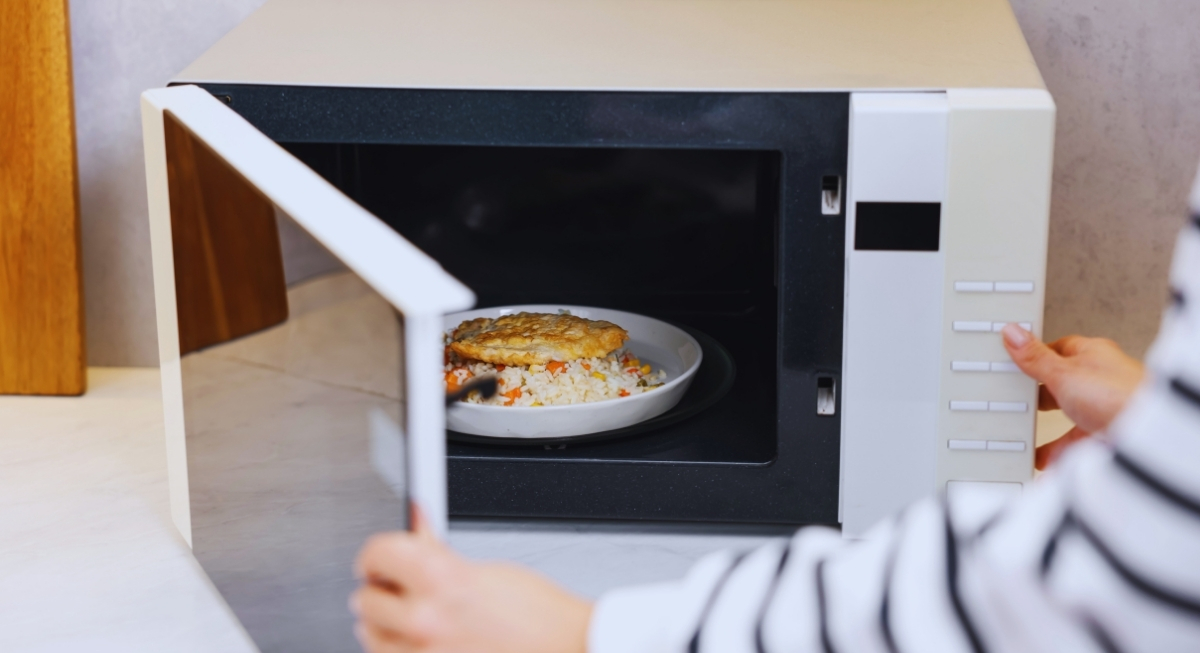
Image via Canva/Africa images
A microwave oven sounds more complicated than it actually is. At its core is a magnetron, which converts electricity into microwaves that heat water molecules in food. This basic process has barely changed over the past decades.
Compared to modern appliances loaded with sensors, touchscreens, Wi-Fi features, cameras, and software updates, the microwave is pretty straightforward. Fewer moving parts usually means fewer things break.
Appliance experts regularly point out that feature-heavy machines tend to fail more often because extra electronics create extra weak points. A microwave usually sticks to a small list of functions: heat food, defrost food, and maybe pop popcorn. It avoids the complicated systems that make newer appliances unpredictable after a few years.
Even the spinning plate inside is powered by a tiny motor that handles far less stress than the compressors, pumps, and fans in larger kitchen equipment.
The Magnetron Is Built To Last
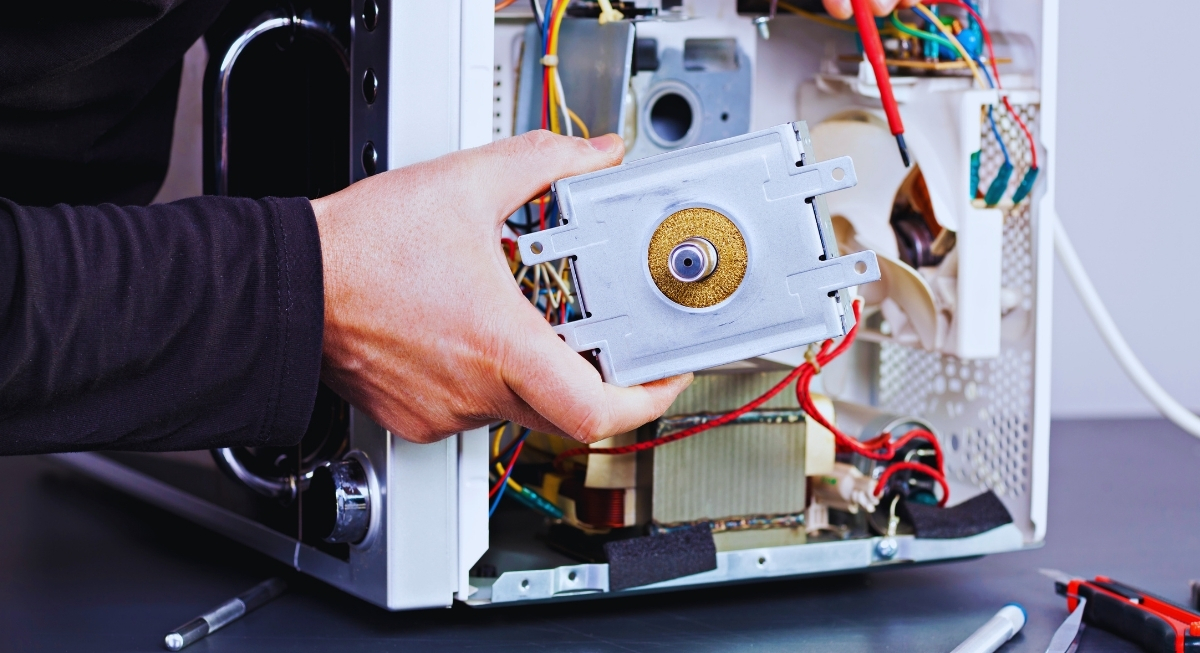
Image via Getty Images/Avalon_Studio
The magnetron itself also has a surprisingly long lifespan. Many can operate for around 2,000 hours before performance starts dropping. This number sounds small until we consider daily use. A household using the microwave for about 15 minutes a day could stretch those hours across two decades. Heavy use cuts into that lifespan faster, especially in larger households where the microwave runs constantly, but the math still works in the appliance’s favor.
Quality also plays a part. Lower-end microwaves sometimes burn out much faster because they require longer heating times and use cheaper internal components. Better models heat food quickly and evenly, which reduces strain over time.
Most Microwave Damage Comes From Human Habits
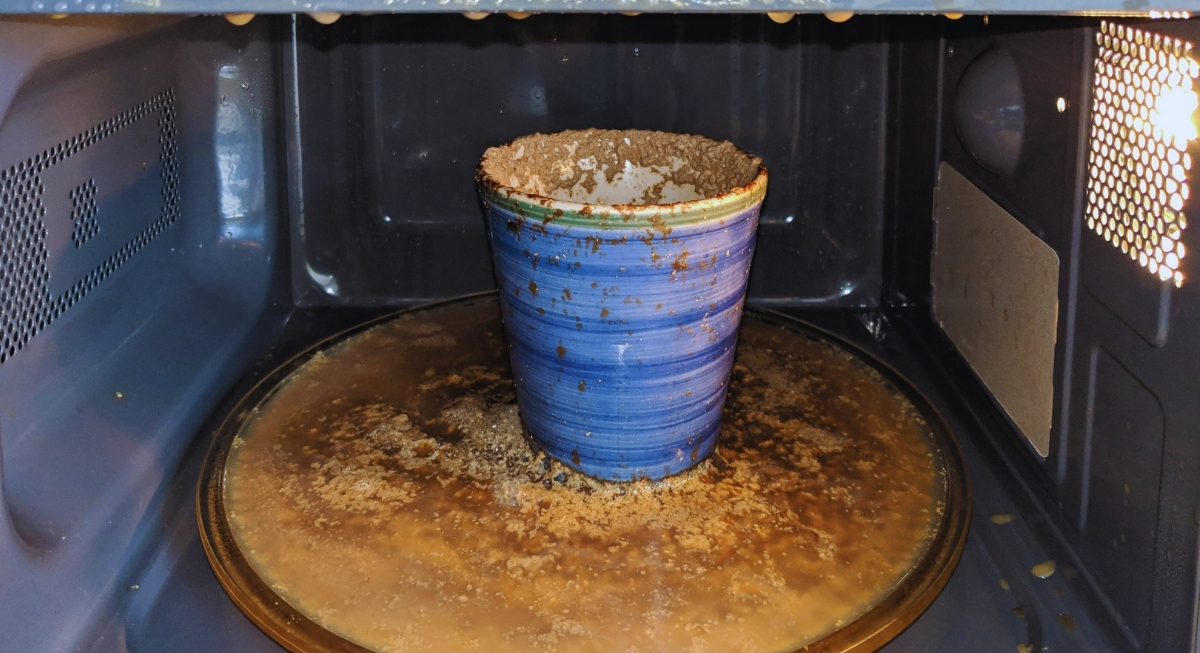
Image via Getty Images/Caymia
Microwaves rarely fail on their own, and people usually help the process along. Running a microwave empty can damage internal components because there is no food to absorb the energy being produced. Repeated slamming of the door can wear out the safety interlock system. Using metal containers can trigger sparks that damage the interior.
Grease buildup also creates problems people rarely notice. Steam, food splatter, and trapped moisture can slowly wear down the interior coating and electrical components if the appliance is never cleaned.
Maintenance advice for microwaves is also really simple compared to other appliances. Keep the inside clean, cover food while heating, clean the filters on over-the-range models every six months, and ensure the appliance has adequate ventilation. That’s about it.
The Early Warning Signs
Microwaves also tend to announce trouble before completely failing. Food may heat unevenly, and heating times may suddenly stretch longer than usual. Strange rattling noises, sparks, smoke, or burning smells usually signal internal damage. Sometimes the door latch or control panel stops working first.