The Real Reason Boomers and Gen X Are Trading Smartphones for Analog Activities
Smartphone use is still sky-high in 2026, but more adults in their 40s, 50s, and beyond are stepping away from constant scrolling and picking up hobbies that seem out of place in a hyper-digital routine. Search data shows “analog hobbies” are growing, while activities like needlepoint, journaling, and puzzles rack up millions of online views. The same platforms driving screen fatigue are also fueling the escape from it. Something is pulling people away, and it is not just nostalgia.
Digital Fatigue Finally Catches Up

Image via Pexels/Karola G
The rise of smartphones brought speed, convenience, and constant connection. It also brought a steady stream of alerts, endless feeds, and a habit of filling every spare minute with a screen. Over time, that constant input started to wear thin.
Recent trend reports show that people across age groups, including Gen X and boomers, are turning toward activities that slow things down. The appeal is simple. Analog hobbies demand focus. Writing by hand, stitching fabric, or working through a puzzle requires attention that cannot be split across notifications.
A Search For Control And Calm
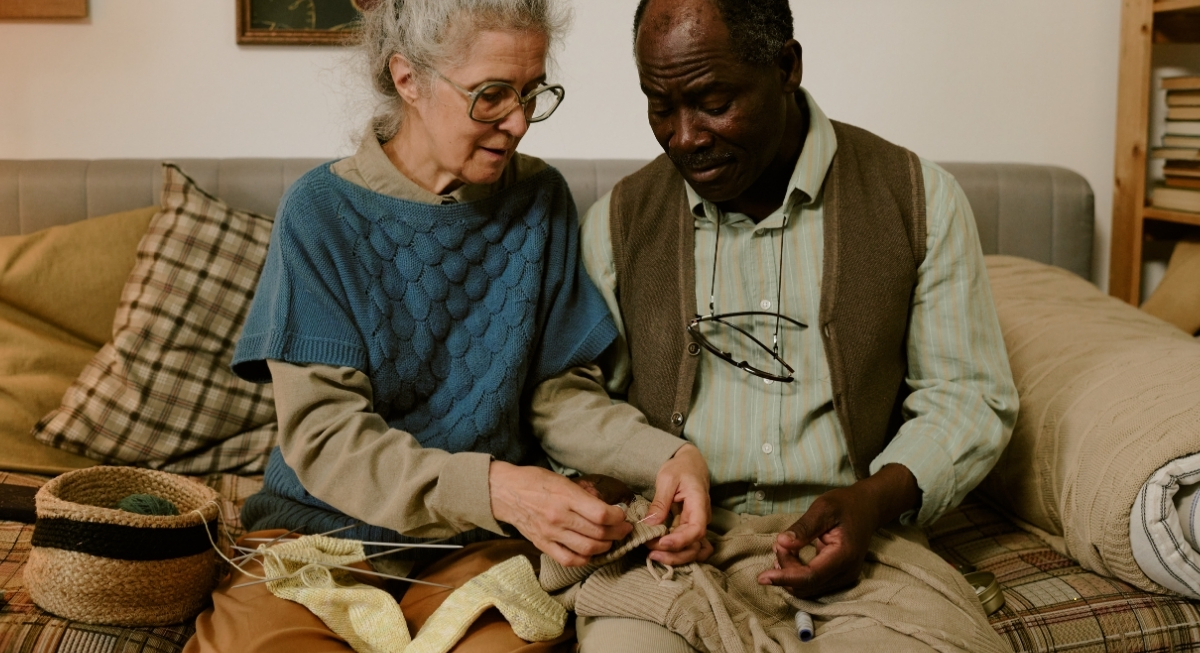
Image via Canva/annastills
Many of these activities share one trait: they give back a sense of control. Knitting, journaling, and woodworking are done at a steady pace, and progress is visible. A finished scarf, a filled notebook, or a completed project are tangible results.
Experts tracking hobby trends note that people are seeking meaning and structure beyond work and screens. Even small routines, like 20 minutes at the piano or a short gardening session, can create a grounded mindset.
Community Without The Noise
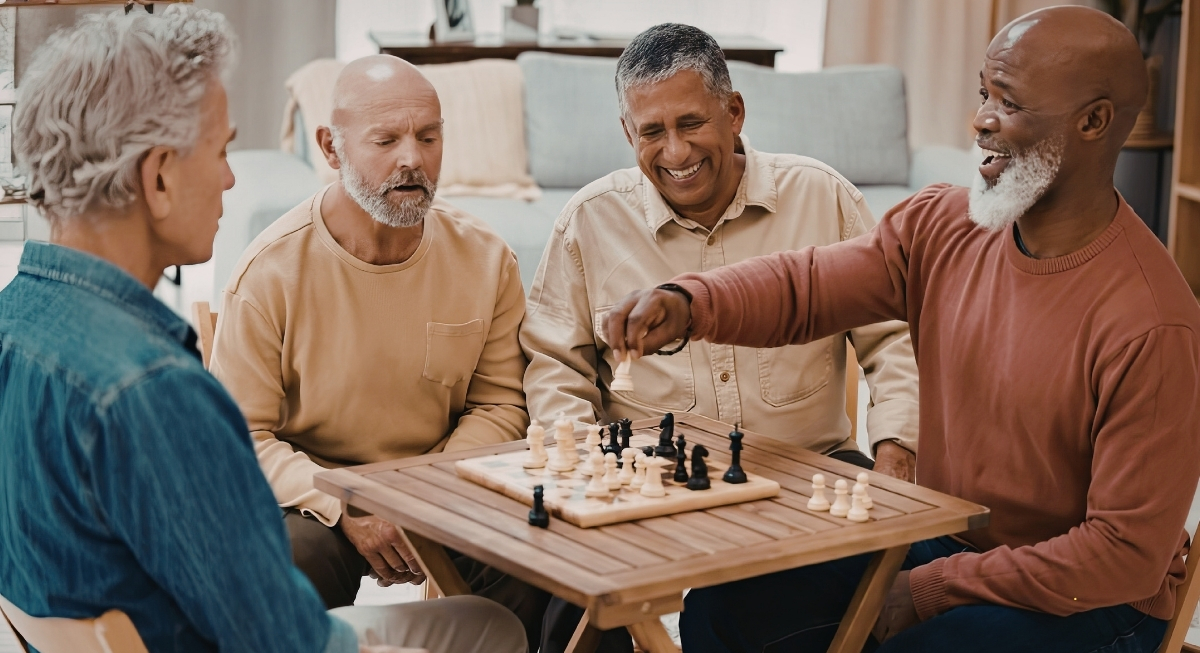
Image via Canva/David Stanciu’s Images
Another factor is social connection. Sure, smartphones promised us connection, but they often deliver isolation. Many people scroll through updates without actually engaging in meaningful interaction. Analog hobbies change that dynamic.
Board games, pickleball, and even letter writing bring people together more directly. Participation in pickleball has surged more than 300 percent since 2021, reaching close to 20 million players by 2024. It is social, active, and easy to pick up, which makes it appealing across generations.
Even quieter hobbies build community. Birdwatching groups, craft circles, and book clubs are growing, often organized through the same digital tools people are trying to use less.
The Unexpected Role Of Younger Generations
Gen Z plays a bigger part in this switch than it might seem at first. Younger people helped bring analog hobbies back into the spotlight. Vinyl records now account for more than half of physical album sales, driven in part by younger listeners. Journaling, baking from scratch, and even fishing have gained traction among teens and young adults looking for something more tangible.
This renewed interest has influenced older generations. Activities once seen as outdated now feel relevant again. The appeal crosses age lines because the underlying need is shared.