The Quiet Reason Retired Boomers Suddenly Cannot Sleep Past 5 A.M.
Many retirees notice the same thing happening after a few years out of the workforce. They start waking up earlier and earlier, even when there’s no alarm set, and nowhere they need to be. For some people, 5 A.M. slowly becomes a regular wake-up time whether they want it to or not.
It can feel a little unexpected at first, especially after years of struggling to get enough sleep during busy work schedules. Then suddenly, sleeping in becomes harder than it used to be, even with a completely open morning ahead.
The Circadian Rhythm Shift

Image via Getty Images/seb_ra
You’ve probably heard of the body’s circadian rhythm, the internal clock that keeps our sleep-wake cycle in check. As we age, that clock doesn’t tick quite the same. It shifts, and not in a way that’s friendly for a long sleep-in.
For many older adults, this means their body wants to sleep earlier in the evening and wake up earlier in the morning. The sleep patterns you’ve enjoyed for decades no longer hold. In fact, older adults often experience a natural shift to an earlier schedule.
This shift in sleep timing is biological, as melatonin, the hormone that regulates sleep, decreases with age, along with the body’s ability to stay asleep through the night. The body’s internal clock gradually shifts earlier, and there is not much people can do to fight it.
The Brain Wants to Wake Up Early

Image via Getty Images/kali9
Waking up early in retirement is not always just a routine people accidentally fall into. Aging changes how the brain responds to light, especially in the morning. Even small amounts of early sunlight can signal the body to start the day sooner than it used to.
Retirement can make that shift feel even more noticeable because daily schedules often become less structured over time. While some people find the earlier wake-ups annoying, others eventually settle into the routine and start using those quiet morning hours differently.
Health Factors Play a Role
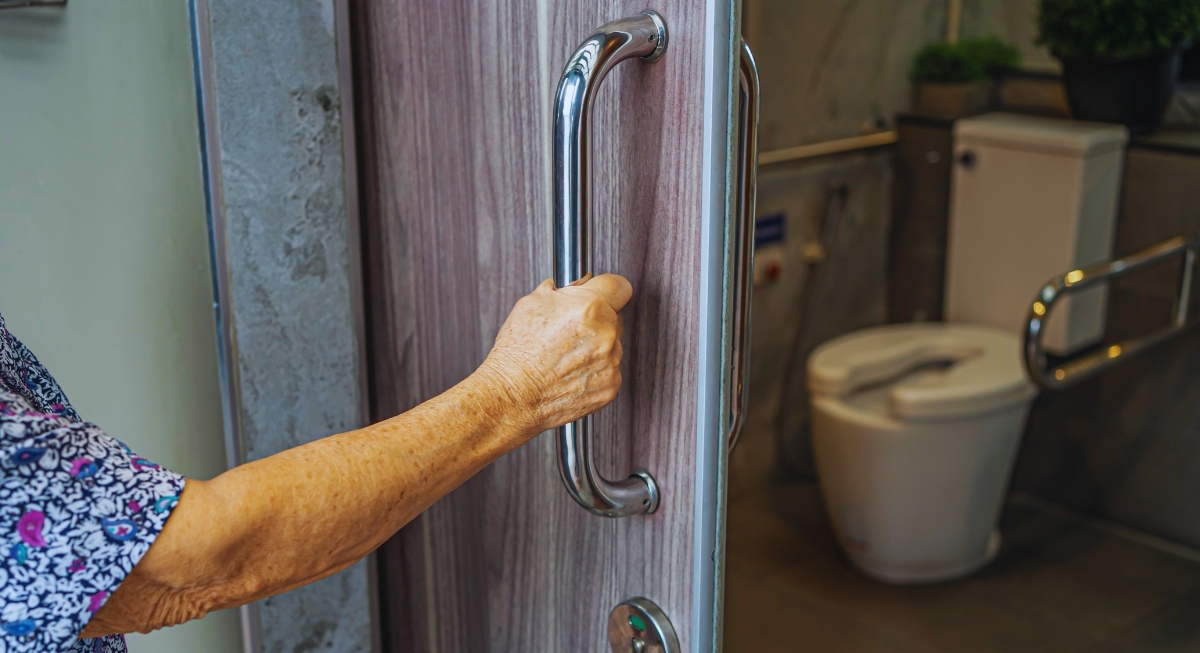
Image via Canva/sasirin pamai’s Images
Of course, aging doesn’t come alone. Health issues often tag along. Chronic pain, anxiety, and even medications can interfere with sleep quality, making it harder to get the rest you need. Frequent bathroom trips at night (thanks, nocturia) or conditions like sleep apnea can also make your nights feel like a marathon of brief wake-ups.
However, not all of this is a direct result of aging health problems. Sometimes it’s just how the body adjusts. The deeper sleep we enjoyed in our younger years simply becomes rarer.
Can You Sleep Later?
You might be wondering if there’s any hope of getting back to a more comfortable sleep pattern. While completely resetting your circadian rhythm is tricky, there are a few ways to help shift that early wake-up.
A consistent sleep schedule can help signal your body to stay asleep a bit longer. Also, engaging in calming pre-sleep activities might help you achieve deeper sleep and improve the quality of those earlier hours.