The Psychology Behind Why We Can’t Throw Away Our Childhood Belongings
Attachment to objects starts early. Kids react strongly when their toys are taken away, and that reaction doesn’t just fade or disappear as people grow older. Psychologists call this the endowment effect. Once something belongs to someone, its value increases in their mind.
Research has even shown this connection on a neural level. When people label objects as “mine,” brain activity increases in areas linked to self-identity. That means a simple object can start to feel like an extension of who someone is. Childhood belongings hold that effect because they were owned during their formative years.
Memories Stick To Objects
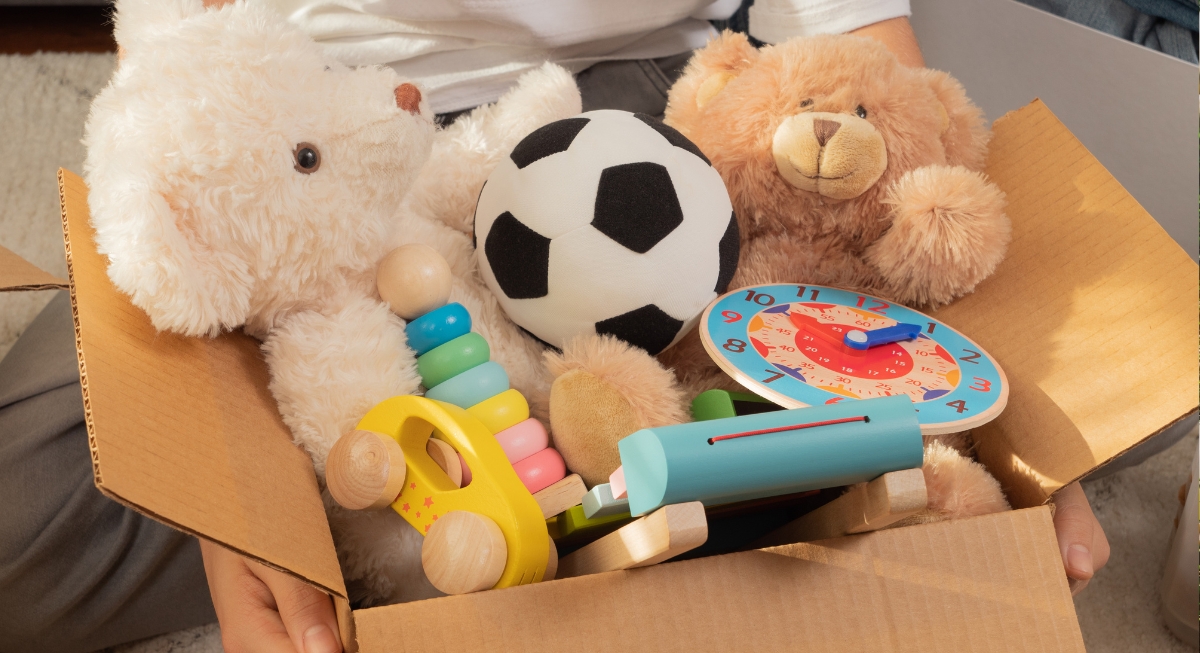
Images via Canva/Vadreams
A faded T-shirt or a broken toy can trigger memories fast, and that’s because people often treat objects as containers for experiences. A single item can represent a specific time, a group of friends, or a version of life that no longer exists.
Psychologists have found that even young children resist swapping their favorite toy for an identical copy. The original feels special, almost irreplaceable, even when the replacement looks the same. The sense of uniqueness follows people into adulthood.
Furthermore, items linked to loved ones are really valuable. Family heirlooms or childhood keepsakes act as reminders of people who shaped those early years. Letting them go can feel like losing a connection.
Letting Go Can Feel Like Moving On
Sorting through childhood belongings can signal life changes, such as moving out, starting a career, or buying a home, forcing people to decide what still fits into their present lives.
That process can bring mixed emotions. Excitement often fades into something heavier as the piles get smaller. Objects tied to past friendships or family moments can trigger grief, regret, or even a sense of closure.
Experts studying nostalgia point out that these feelings aren’t random. Revisiting old belongings can help people find meaning in past experiences, even when it comes with a bit of sadness. That emotional mix makes it harder to part with items, since each one feels like a piece of a larger story.
The Role of Fear

Image via Pexels/LML 6768
Emotional attachment isn’t the only reason people hold on. Fear often remains in the background. Some worry they might need an item later, while others feel that throwing something away might erase a memory. This mindset can turn into a habit of keeping things “just in case.” Over time, that habit builds clutter.
Studies have linked cluttered spaces to higher stress levels, reduced focus, and difficulty making decisions. Cultural factors can also shape this behavior. In societies where sharing is common, such as the Hadza community in Tanzania, the endowment effect is much weaker.