The Makers of Barbie and Hot Wheels Were a Married Couple
In the mid-20th century, Mattel introduced two toys that would ultimately shape childhoods in very different ways. Barbie arrived in 1959 and revolutionized the way fashion dolls were imagined and sold. Nearly a decade later, Hot Wheels hit shelves in 1968 and transformed toy cars into something faster, louder, and more competitive. Both lines grew into global staples, selling in staggering numbers and anchoring Mattel’s success for generations.
What is rarely mentioned is how closely these ideas were related to each other. Barbie and Hot Wheels were created under the same roof by a married couple, each bringing a different set of instincts and talents to the table. Their partnership did more than produce hit toys. It helped turn a modest toy business into one of the most influential companies in the industry.
A Garage Startup With Split Strengths
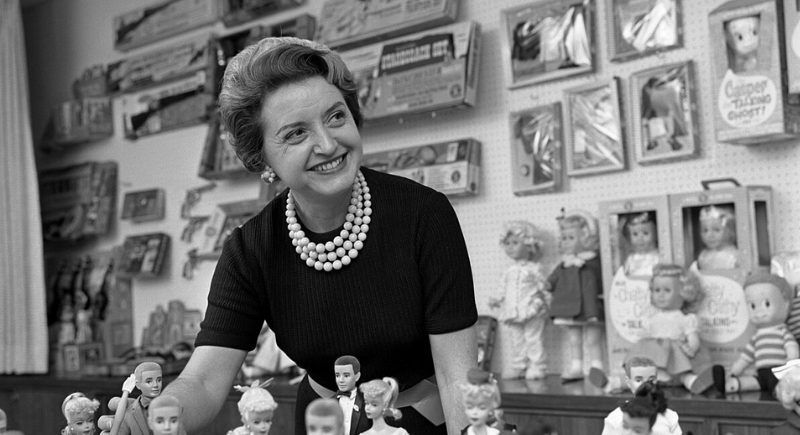
Image via Wikimedia Commons/Los Angeles Times
Mattel began in 1945 inside a Los Angeles garage, built by Elliot Handler, Ruth Handler, and a business partner. Early products included picture frames and dollhouse furniture, hardly the stuff that would lead to global dominance. What made the company different early on was the division of labor. Elliot focused on design and manufacturing. Ruth focused on sales, positioning, and how products reached consumers.
Elliot approached toys as objects that needed better materials, better proportions, and stronger engineering. Ruth treated toys as ideas that needed stories and visibility. She understood retail and media in a way few toy executives did at the time.
Barbie Changed the Stakes
In 1959, Ruth introduced Barbie, inspired by watching her daughter play with paper dolls and imagining adult lives. The concept pushed against industry comfort. A fashion doll with an adult body raised eyebrows and resistance, but Ruth persisted. Barbie sold. Then it exploded.
By 1965, Mattel recorded more than $100 million in annual sales and joined the Fortune 500, largely due to Barbie’s success. The doll did more than dominate shelves. It stabilized cash flow, expanded distribution, and gave Mattel room to experiment.
The Missing Piece for Boys
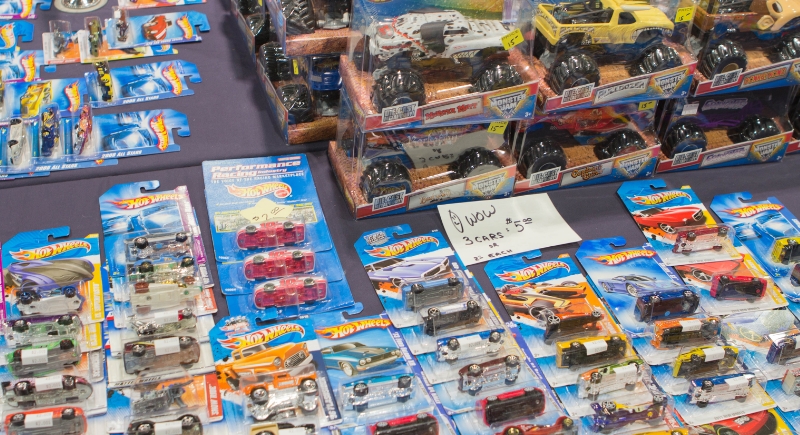
Image via Wikimedia Commons/Shelby Asistio
As Barbie climbed, Mattel noticed a gap. The company lacked a breakout product aimed squarely at boys. Elliot took that challenge personally. He saw miniature cars on the market, but they felt slow, plain, and fragile.
In 1968, Hot Wheels launched with fast-rolling wheels, bold designs, and a focus on performance fantasy. Kids responded immediately. Hot Wheels became the top-selling toy brand in its category, creating a second pillar for Mattel. Barbie revenue allowed Mattel to invest heavily in tooling, testing, and promotion. One brand made room for the other to take risks.
A Partnership That Extended Beyond Products
Inside the company, their roles stayed consistent. Elliot developed physical innovation. Ruth shaped messaging, advertising, and long-term strategy. She also pushed Mattel into television sponsorship early, including a costly but effective move tied to children’s programming.
At home, the lines blurred less than people assume. They shared goals but operated in their lanes. That clarity helped Mattel scale without collapsing under creative conflict. Their children, Barbara and Kenneth, became cultural footnotes in ways no family plans for. Barbie and Ken carried their names and fame followed. But Kenneth died in 1994, long after the brand had taken on a life far removed from the people who inspired it.
Expansion, Fallout, and Distance

Image via Canva/DAPA Images
Success eventually brought corporate tension. In the 1970s, new management pushed the founders out. Financial reporting issues surfaced, and Ruth faced legal consequences that resulted in community service and fines. Both Handlers left the company they built by 1975.
Even then, their influence stayed baked into Mattel’s structure. Barbie and Hot Wheels continued to grow, often crossing paths through branding, collectibles, and later film projects. One brand spoke to aspiration. The other sold motion and power. Together, they defined how toys could scale across demographics without losing identity.
The most surprising part of this is not that Barbie and Hot Wheels came from the same company. It is that two different ideas thrived because two people with opposite strengths trusted each other enough to build side by side, long before the world noticed just how personal that partnership really was.