The Lost Art of the Mixtape: Why Nothing Will Ever Replace a Cassette Made with Love
Before streaming, interacting with music required more involvement. Cassettes, introduced in the 1960s and widely adopted by the 1980s, gave listeners control over what they played and how they shared it.
With the ability to record songs, arrange them in a specific order, and carry them anywhere, people began using music to convey something more personal, which naturally led to the rise of the mixtape.
A modern playlist can be put together in seconds, but the mixtape demanded hours, sometimes even days, of focused effort.
It Took Time And Effort To Get It Right
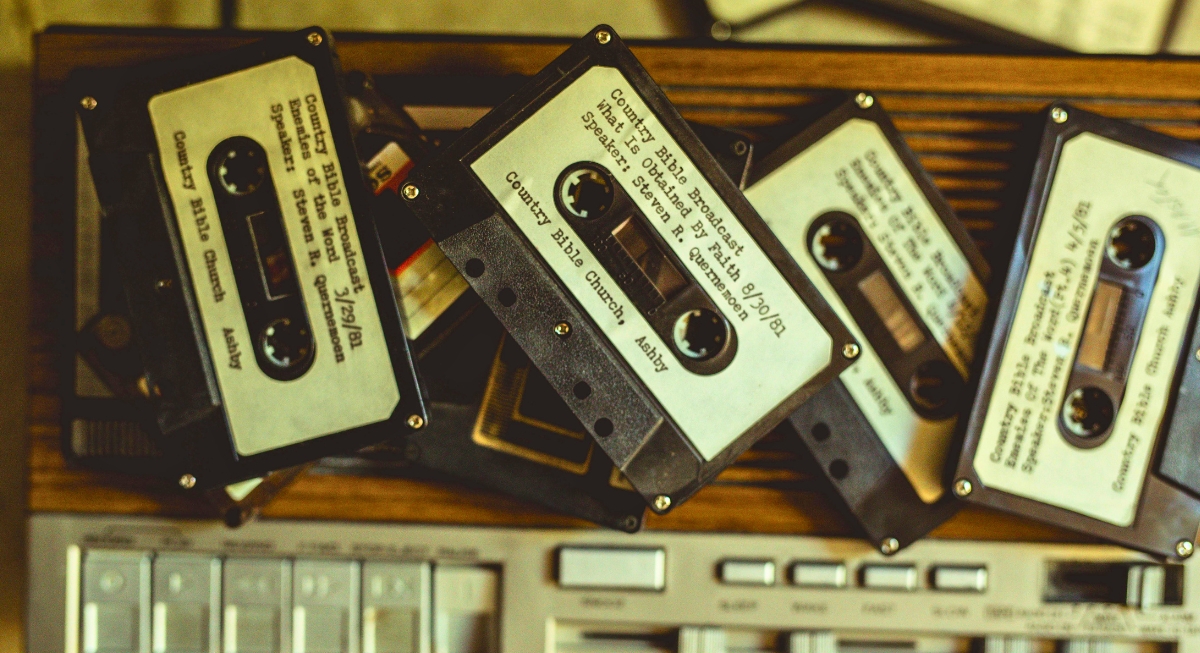
Image via Pexels/Steph Quernemoen
Creating a mixtape meant working through a hands-on process. Songs often came from multiple sources, including borrowed tapes and radio broadcasts, where timing had to be precise to avoid cutting off key moments. A single mistake could mean rewinding, rerecording, and trying again until it sounded right.
Because of that, the final tape carried the weight of the time spent on it. Each track reflected a series of choices and adjustments, and finishing the tape felt like completing something carefully assembled from beginning to end.
Every Tape Was Built For Someone
Each mixtape had a clear purpose tied to a specific person. The nature of the relationship shaped every decision along the way. Instead of simply gathering favorite songs, the person making the tape also had to consider the listener’s taste, mood, and the message behind the music.
A romantic mix might move through different stages of feeling, while another tape might focus on comfort or connection. It reflected both the creator’s perspective and their understanding of the recipient.
The sequence of songs played a central role in how a mixtape was experienced. The opening track set the tone, the middle portion developed the mood, and the closing song brought everything together. Careful attention was paid to how one track followed another. Smooth transitions helped maintain a sense of continuity.
Small flaws were part of nearly every mixtape. A slight hiss, a short pause between tracks, or a recording that started just a moment too late often made their way into the final version.
Over time, those details became familiar. They served as reminders that the tape was handcrafted, and they blended naturally into the overall listening experience.
The Physical Object Carried Meaning
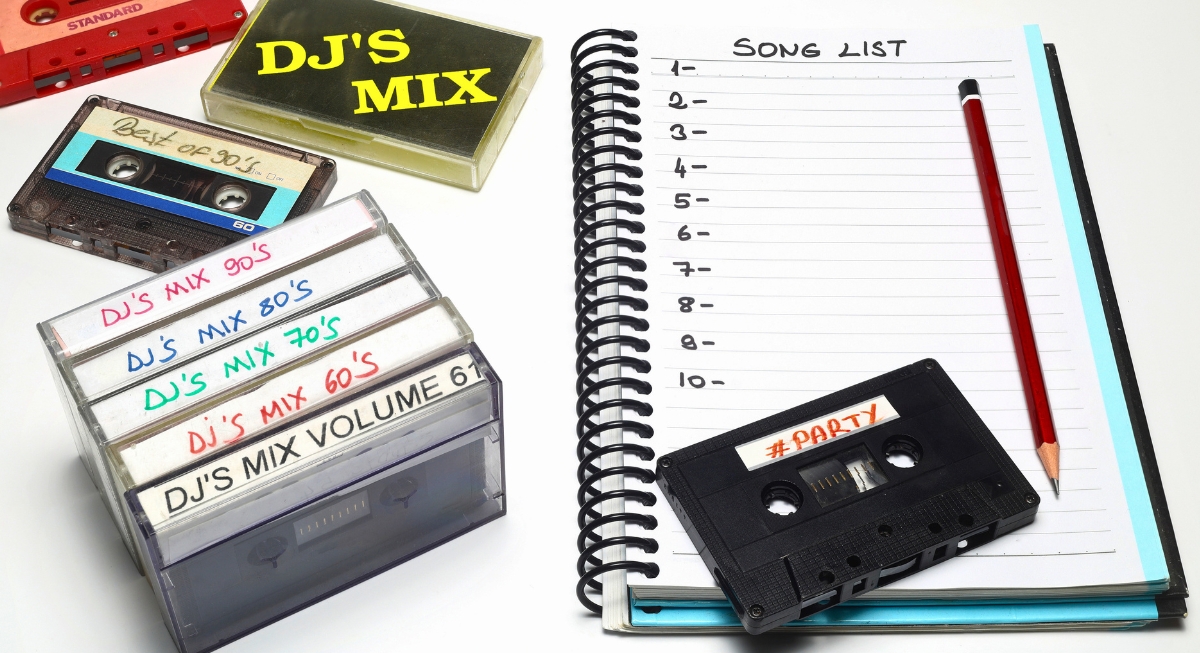
Image via iStockphoto/BT1976
Unlike digital formats, a mixtape existed as a tangible object. The cassette case, the handwritten track list, and the title on the label all contributed to its identity. You even had to come up with a fitting name for the tape.
Sharing a mixtape introduced a sense of anticipation. After spending time creating it, the recipient’s response carried real importance.
Playlists Lack The Same Depth
Modern tools have made music easier to access and share than ever before. Building a playlist now takes only a few steps, and sending it requires little effort. A mixtape, on the other hand, combined time, thought, and intent. Every part of the process contributed to the final experience.