The Heartbreak Behind Fleetwood Mac’s Masterpiece
Fleetwood Mac started in London in 1967 as a blues band led by Peter Green, with Mick Fleetwood and John McVie forming its core. After years of lineup changes, stability finally arrived in 1974 when Lindsey Buckingham agreed to join, with one condition that Stevie Nicks come along too.
That lineup, completed by Christine McVie, delivered the 1975 album “Fleetwood Mac,” which reached No. 1 in the United States. Success came fast, but it also amplified everything already brewing beneath the surface. By early 1976, just as work began on their next album at Record Plant in California, every key relationship inside the band started to simultaneously fall apart.
Breakups Happening In Real Time
Christine McVie and John McVie ended their marriage after years together, forcing them to keep working side by side while navigating the split. At the same time, Stevie Nicks and Lindsey Buckingham ended a long, complicated relationship that stretched back to their early days performing together in the late 1960s.
Mick Fleetwood was dealing with his own marital problems, which only added to the tension already filling the room. All of this happened while they were recording the album.
Recording Sessions That Refused To Stay Professional

Image via Getty Images/junce
Work on the “Rumours” album began in February 1976 with producers Ken Caillat and Richard Dashut. The sessions became unpredictable as members avoided each other outside of recording, then stepped into the studio to sing directly about one another.
The environment didn’t help. Long days stretched into longer nights, and substance abuse became part of the routine. Fleetwood even removed clocks from the studio, which meant sessions ran without structure or limits.
At one point, tension spilled over when Buckingham, frustrated during a recording session, grabbed Caillat in a moment that had to be broken up by others in the room. Arguments between band members were just as heated, including a moment where a bottle was thrown across the studio. Despite all of this, the band kept recording.
Songs That Doubled As Conversations
What makes Rumours different is how directly the music reflects what was happening at the time. Buckingham’s Go Your Own Way captured his frustration with Nicks in blunt terms. Nicks answered with Dreams, which approached the same breakup with a calmer tone and became the band’s only No. 1 single.
Christine McVie added another layer with You Make Loving Fun, inspired by a new relationship. John McVie still had to perform the song, while knowing what it represented. Then there was The Chain, the only track credited to all five members. It was built from unfinished materials and became a shared statement about staying connected even when everything else was falling apart.
Technical Problems Made It Harder
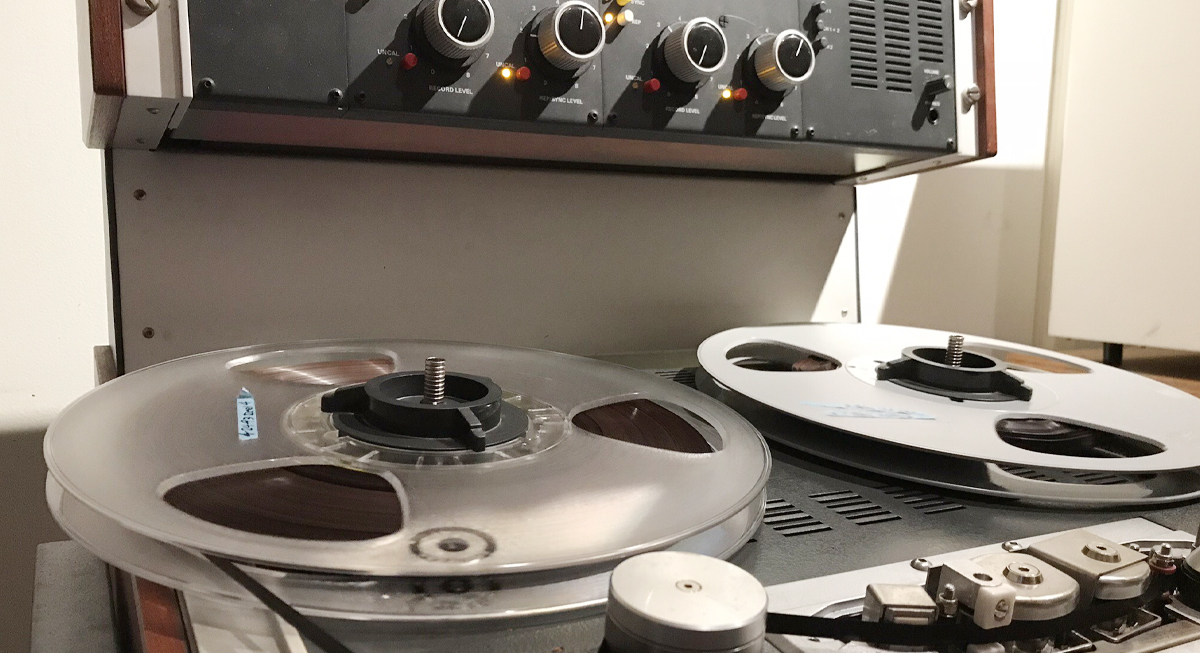
Image via Wikimedia Commons/Sauerkrautrock
The emotional strain wasn’t the only challenge. Recording technology in the mid-1970s relied on analog tape, and constant overdubbing began to wear down master recordings. Parts had to be rebuilt and stitched together carefully to avoid losing them entirely.
Even basic tasks slowed the process. Instruments needed constant adjustments, and multiple takes were required to get the sound right. The album that was supposed to be finished by late 1976 didn’t arrive until early 1977.
Chaos That Turned Into A Classic
When “Rumours” was finally released on February 4, 1977, it spent 31 weeks at No. 1 and went on to sell more than 40 million copies worldwide. It also won the Grammy Award for Album of the Year.
The success didn’t resolve anything inside the band. If anything, it carried those tensions forward into tours and future projects. Years later, during a 1997 performance of Silver Springs for “The Dance,” Nicks and Buckingham stood across from each other and sang with the same intensity that fueled the album two decades earlier.